
TL;DR

Get your wardrobe favorites delivered free with Prime
- Fast, free delivery on millions of items
- Prime Video, Amazon Music and more included
- Member-only deals all year
Solar watch technology converts light into electrical energy, powering the watch and eliminating the need for battery changes. Advances in photovoltaic efficiency and energy storage make modern solar watches reliable for years, even in darkness.
Imagine a watch that never needs a battery change. It stays accurate, eco-friendly, and ready to go—no matter how wild your outdoor adventures get. Solar watch technology turns the very light around you into a steady stream of power. That means more reliability, less waste, and a watch that keeps pace with your life’s toughest moments.
In this guide, you’ll learn how solar watches harness light, what recent innovations have made them better, and how you can choose the right one for your needs. Whether you’re a first responder, nurse, or outdoor enthusiast, understanding this tech keeps you on time—no fuss, no fuss.
Modern solar watches convert both sunlight and artificial light into power, making battery replacements unnecessary.
Advances in photovoltaic materials have boosted efficiency, allowing watches to run longer on less light and store energy for over a year in darkness.
Durable designs with shock resistance and water proofing make solar watches reliable in tough outdoor conditions.
Regular exposure to light—even for a few minutes—keeps your solar watch fully charged, extending its lifespan.
Incorporating smart features into solar watches is now possible without sacrificing their core reliability and durability.
How Light Keeps You on Time
A solar watch turns sunlight and everyday indoor illumination into electrical energy, stores the surplus, and quietly powers accurate quartz timekeeping for months—or longer—without a disposable battery change.
From photons to precision—in four moves
Photovoltaic cells are integrated beneath or within the dial. The conversion process is silent and automatic, while stored energy bridges nights, drawers, cloudy days, and long periods away from a bright light source.
Light enters
Sunlight or artificial light passes through the dial and reaches miniature photovoltaic cells.
Current forms
The cells convert incoming light into a small but useful flow of electrical energy.
Energy stores
Surplus power moves into a rechargeable battery or capacitor for later use.
Time continues
The stored charge powers the quartz movement—even when the watch is completely dark.
The modern efficiency advantage
Thin-film materials absorb more useful light while taking up less visual space. Faster collection and better storage translate into longer reserves and less charging anxiety.
Relative technology performance
Conceptual comparison based on the supplied research. Exact efficiency, charge time, and reserve vary by dial design, movement, battery capacity, light intensity, and model.
More than a solar panel on your wrist
The strongest solar watches combine efficient charging with practical protection. The right feature set depends on whether the watch is headed to an office, hospital floor, trail, emergency scene, or dive site.
Indoor charging
Artificial light works too, although charging is generally slower than under bright natural light.
Shock resistance
Rugged cases and protected movements help withstand drops, vibration, impacts, and field use.
Sapphire crystal
Scratch-resistant crystals help keep the light path and dial legibility clear over long service lives.
Water protection
Selected models reach 200-meter ratings, but the exact specification must be checked before diving.
Invisible cells
Transparent and semi-transparent layers allow solar collection without an obviously segmented dial.
Smart functions
Bluetooth, notifications, and fitness tracking can coexist with solar charging when power use is managed.
| Use case | Priority feature | Solar fit | Check before buying |
|---|---|---|---|
| Daily urban wear | Slim dial integration | ✓ Excellent | Indoor-light charge rate |
| First response / fieldwork | Shock resistance + long reserve | ✓ Excellent | Case protection and legibility |
| Swimming / diving | Verified water rating | ✓ Model-dependent | Depth rating and crown design |
| Mostly stored in darkness | Maximum power reserve | ~ Conditional | Power-save mode and recharge time |
| Feature-heavy smartwatch use | Efficient connectivity | ~ Emerging | Display and sensor power demand |
| Zero-light permanent storage | Not applicable | ✗ Unsuitable | All solar watches eventually need light |
Small habits, decades of potential
Solar watches require little routine maintenance, but they are not maintenance-free. Regular illumination, a clear dial, sensible storage, and model-specific care protect both charging performance and long-term reliability.
Expose the dial to natural or bright indoor light every few days; 10–15 minutes is a useful maintenance habit.
Remove dirt and debris that can reduce the amount of light reaching the photovoltaic layer.
Choose a cool, dry location with some light rather than leaving the watch indefinitely in a closed drawer.
If you work indoors or rotate watches frequently, prioritize a larger reserve and efficient low-light charging.
Charging times, temperature limits, water resistance, and service intervals differ between movements.
A jumping seconds hand or disabled feature may indicate that the watch needs a brighter, longer charge.
The reliability chain
Every stage supports the next: better capture creates more charge, better storage extends independence, and durable construction protects the system in demanding environments.
Solar watch FAQ
Does a solar watch need direct sunlight?
No. It can charge from artificial indoor light, although bright sunlight usually transfers energy faster.
Is it accurate enough for professional use?
Most use precise quartz movements, often rated within seconds per month. Confirm the specification for critical work.
Can it be worn while swimming?
Many models can, but solar charging does not guarantee water resistance. Verify the stated depth rating first.
Will cold weather stop it?
Cold can temporarily affect battery and cell performance, but modern models are designed for broad operating ranges.
How Solar Watches Turn Light into Power in Seconds
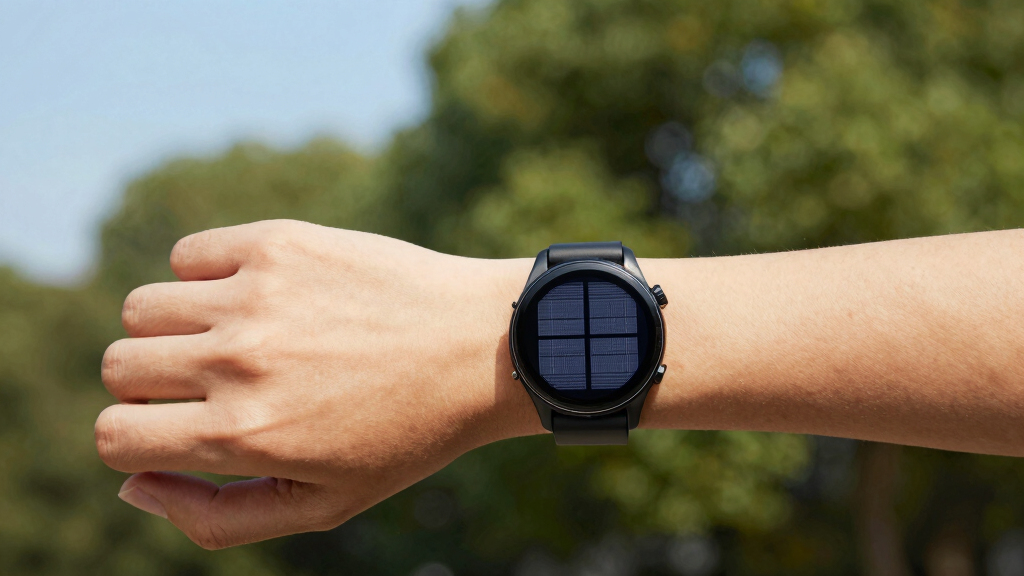
Solar watches use tiny photovoltaic cells embedded in the dial—sometimes barely visible—that absorb light from the sun or indoor bulbs. When light hits these cells, they generate an electric current, powering the watch’s movement. Once charged, the watch stores excess energy in a rechargeable battery or capacitor.
For example, a Citizen Eco-Drive can charge under a desk lamp for just a few hours, providing months of operation without further exposure. This process is silent, invisible, and incredibly efficient—turning everyday lighting into a reliable power source.
As an affiliate, we earn on qualifying purchases.
The Secret Sauce: How Modern Solar Cells Outperform Old Tech
Compared to early solar cells, today’s photovoltaic materials are more efficient—up to 25–30% better at converting light into electricity. This increase in efficiency means your watch can charge faster and maintain power longer, even with less exposure to light. For outdoor professionals or those in variable environments, this means less worry about power loss during extended periods without direct sunlight.
This efficiency boost results from advances in thin-film technology, which allows for more effective light absorption and less material waste. The tradeoff, however, is that higher efficiency often comes with increased manufacturing complexity or cost, though these are becoming less significant as technology matures. Upgrading to these newer solar cells ensures your watch remains reliable, reducing the need for frequent exposure or manual charging, which is critical during demanding outdoor activities.
solar watch with long battery life
As an affiliate, we earn on qualifying purchases.
As an affiliate, we earn on qualifying purchases.
How Long Can a Solar Watch Run Without Light? The Real Numbers
Modern solar watches can operate for **several months to over a year** in total darkness once fully charged. This extended power reserve is a result of high-capacity energy storage systems paired with efficient photovoltaic cells. The actual duration varies depending on the model, the quality of the energy storage, and how often the watch is exposed to light. For instance, a Casio solar watch can last about 6 months in darkness after a full charge, which makes it suitable for long trips or unpredictable schedules where light exposure isn’t guaranteed.
Understanding these numbers helps users plan their exposure—knowing that a few hours of sunlight or indoor light can recharge their watch for months of darkness, reduces anxiety about power loss, and ensures reliability in critical situations. The tradeoff lies in balancing energy storage capacity with the size and weight of the watch; larger batteries can store more energy but may add bulk, affecting comfort and wearability. This highlights the importance of choosing a model optimized for your specific needs, whether for rugged outdoor use or daily urban wear.
waterproof solar watch for outdoor use
As an affiliate, we earn on qualifying purchases.
As an affiliate, we earn on qualifying purchases.
What Makes a Solar Watch Durable and Ready for Action?
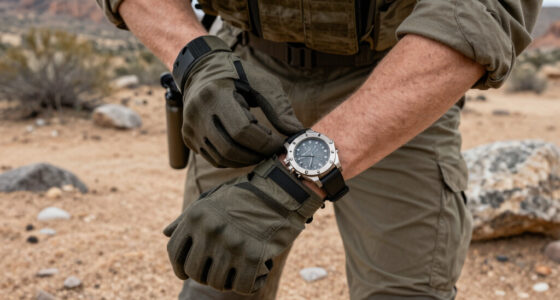
Durability is key for field and military use. Modern solar watches feature shock-resistant cases, scratch-proof sapphire crystals, and water resistance up to 200 meters. For instance, Casio’s G-Shock Solar series is built to withstand drops, vibrations, and harsh weather.
Plus, their rechargeable batteries are sealed and designed to last decades with minimal maintenance—just regular exposure to light keeps them running smoothly.
As an affiliate, we earn on qualifying purchases.
The Biggest Recent Breakthroughs in Solar Watch Tech
Recent innovations include flexible, transparent solar panels integrated seamlessly into watch faces, making the solar cells more visible and aesthetically pleasing. Brands like Citizen now incorporate thin, high-efficiency photovoltaic layers that look like part of the dial, not an afterthought.
Another breakthrough is improved energy storage, allowing watches to run longer between charges. Some models can operate for **up to 2 years** in complete darkness after a quick charge—ideal for fieldwork.
Plus, the integration of smart features—like Bluetooth and fitness tracking—has been achieved without sacrificing solar efficiency, making these watches versatile tools. These advancements mean users can rely on solar watches not just for basic timekeeping but as comprehensive wearable devices that adapt to modern lifestyles—though they may come at a higher price point, reflecting the advanced technology involved.
Practical Tips for Making Your Solar Watch Last a Lifetime
- Expose your watch to natural sunlight or bright indoor light every few days for 10–15 minutes to keep it fully charged.
- Keep the dial clean and free of scratches—dirt and debris block light absorption.
- Store your watch in a cool, dry place when not in use for extended periods.
- Check the manufacturer’s instructions for specific charging times and maintenance tips.
- Choose a model with a good energy reserve if you often work indoors or in low-light environments.
Frequently Asked Questions
How do solar watches work in low-light environments?
Solar watches can charge from artificial indoor light, but they do so more slowly. Regular exposure to brighter light accelerates charging. Once full, they can run for months in darkness, making them reliable even indoors or in cloudy conditions.
Are solar watches accurate enough for professional use?
Yes. Most solar watches use quartz movements, which are very precise—often within seconds per month. Some models even meet chronometer standards, making them suitable for demanding field tasks.
Can I wear a solar watch while swimming or diving?
Absolutely. Many solar watches are water-resistant up to 200 meters, built to withstand swimming, snorkeling, or diving. Just verify the specific water resistance rating before taking it into deep water.
Will cold weather affect my solar watch’s performance?
Cold temperatures can slightly reduce the efficiency of photovoltaic cells, but modern solar watches are designed to operate reliably across a wide temperature range. Regular light exposure maintains their charge regardless of climate, ensuring consistent performance even in cold environments. This resilience is crucial for outdoor professionals working in varying climates, as it minimizes the risk of power failure during critical tasks.
Conclusion
Your solar watch is a tiny powerhouse, turning everyday light into relentless timekeeping. It’s built for those who demand durability and independence from battery changes. Keep it exposed to light, and it will keep you on schedule—no matter where your mission takes you.
Remember, a little light goes a long way. In the wild, in the city, or in the office, your solar watch is your silent partner—always ready, always precise.
Halloween Picks
halloween
As an affiliate, we earn on qualifying purchases.