
TL;DR
Open a free Amazon Business account
Business pricing, bulk buying and tax-exempt orders.
Create a free accountAs an affiliate, we earn on qualifying purchases.
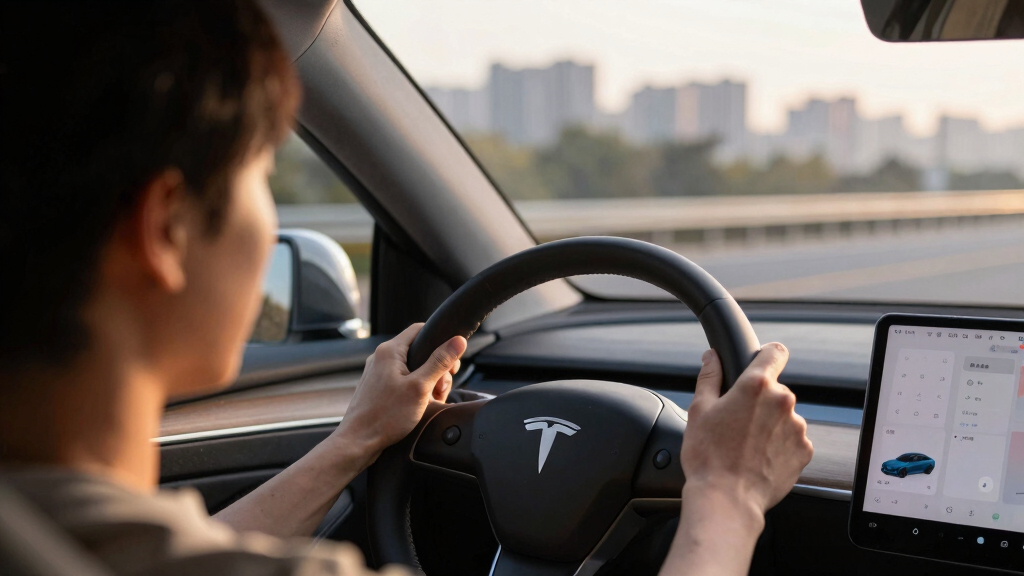
Recent reports confirm that Apple CarPlay functions as an additive system, enhancing existing vehicle interfaces rather than replacing them. This development impacts driver experience and automaker design choices, though some details remain uncertain.
Industry sources confirm that Apple CarPlay operates as an additive system, working alongside existing vehicle interfaces rather than replacing them entirely. This development is significant for automakers and drivers, as it influences how in-car technology is integrated and experienced. The confirmation comes amid ongoing discussions about the future of in-car connectivity and user experience design.
According to multiple industry insiders and recent technical analyses, CarPlay is designed to augment a vehicle’s native infotainment system, providing additional features and a familiar interface without displacing existing controls. This approach allows automakers to offer enhanced connectivity options without overhauling their entire dashboard architecture. The additive nature of CarPlay has been confirmed through developer disclosures and technical documentation, which indicate that it overlays or supplements the vehicle’s native system rather than replacing it entirely.
Automakers and technology experts note that this design choice aligns with consumer preferences for flexible, customizable in-car experiences. It also enables a smoother integration process, as existing vehicle hardware can support CarPlay without significant modifications. However, the specific technical implementation details are still emerging, and some automakers may adopt different approaches based on their vehicle models.
Impacts of CarPlay’s Additive Design on Drivers and Automakers
This confirmation that CarPlay is additive is important because it clarifies how Apple’s system integrates with vehicles. For drivers, it means a more seamless experience—using familiar iOS features alongside native controls—while automakers can maintain their existing interfaces. For the industry, this approach influences future vehicle design, potentially leading to more modular and flexible infotainment solutions. It also raises questions about how deeply integrated third-party systems will become and how they might influence user safety and interface consistency.

PLZ 7" Wireless Double Din Car Stereo Apple Carplay Radio Screen for Car Audio Receivers, Bluetooth 5.3 Car Play Android Auto Touchscreen, 240W 4.2 CHN 2 Subwoofers Outputs, Backup Camera, SWC, FM/AM
- Wireless CarPlay & Android Auto: Supports wireless connection with voice control
- High-Fidelity Sound with DSP: 240W output, 4.2 channels, 2 subwoofers
- Customizable Audio Settings: 10-band EQ and bass adjustments
As an affiliate, we earn on qualifying purchases.
As an affiliate, we earn on qualifying purchases.
Evolution of In-Car Connectivity and Apple’s Role
Over the past few years, in-car infotainment has shifted toward more integrated digital systems, with Apple CarPlay and Android Auto leading the way. Initially, these systems aimed to replace or significantly upgrade native vehicle interfaces, but recent developments suggest a shift toward integration as an overlay. Apple’s strategic choice to make CarPlay additive aligns with broader industry trends toward modular upgrades and user customization. Prior to this, CarPlay was often seen as a replacement option, but the emerging confirmation indicates a more nuanced role in vehicle ecosystems.
“We designed CarPlay to enhance the driving experience by complementing existing vehicle systems, providing flexibility for automakers and drivers alike.”
— Apple spokesperson

10.26“ Wireless Portable 60FPS Carplay Screen with Netflix YouTube for Apple Car Play & Android Auto 1920 * 720 Fully Laminated Tablet with 1080P Reversing Camera, OTA, Dual Bluetooth, GPS Navigation
- Anniversary Gift Offer: Receive a free gift with purchase
- Built-in Android & Streaming Apps: Supports YouTube, Netflix, TikTok, and more
- 10.26" Full-Lamination Display: Clear navigation and entertainment screen
As an affiliate, we earn on qualifying purchases.
As an affiliate, we earn on qualifying purchases.
Technical Details and Variations Across Vehicle Models
While the additive nature of CarPlay is confirmed, it is still unclear how this implementation varies among different automakers and vehicle models. The specific technical methods used to overlay or integrate CarPlay with native systems are not fully disclosed, and some industry insiders suggest there may be differences in how deeply CarPlay is embedded in various vehicles. Additionally, the potential for future updates to change this integration approach remains uncertain.

Wireless Carplay Screen for Car 10.26" 4K 360 Rotation Dash Cam Carplay&Android Auto Car Stereo 1080p Backup Camera GPS Navigation/Mirror Link/Voice Control/Siri/FM Satellite Radio Receiver
- 360° Adjustable 4K Dash Cam: Ultra-clear recording with wide-angle lens
- IP65 Waterproof Rear Camera: Dustproof and rainproof for all conditions
- 1080P Reversing Camera: Enhanced visibility during parking
As an affiliate, we earn on qualifying purchases.
As an affiliate, we earn on qualifying purchases.
Industry Adoption and Future Integration Strategies
Automakers are expected to clarify their implementation strategies in upcoming vehicle models, with some possibly emphasizing a more seamless, deeply integrated experience. Apple may also release updates to CarPlay that further enhance its additive capabilities or introduce new features. Industry analysts anticipate ongoing discussions about standardization and safety considerations as the technology evolves. Consumers should watch for announcements at upcoming auto shows and from manufacturers regarding how CarPlay will be integrated in future vehicles.

Jemluse Wireless CarPlay Adapter for Apple iPhone – Multi-User Seamless Connection for Convert Wired to Wireless Car Play Adapter – No Latency from iOS 10+ to Screen w/USB C (Gray)
- Smart Control: Voice, touch, or twist control for convenience
- Fast Auto-Connect: Saves 40% time with quick auto connection
- Wireless Compatibility: Supports wired Apple CarPlay systems only
As an affiliate, we earn on qualifying purchases.
As an affiliate, we earn on qualifying purchases.
Key Questions
Does CarPlay replace the native vehicle interface?
No, recent confirmations indicate that CarPlay operates as an additive system, overlaying or supplementing existing vehicle controls instead of replacing them.
Will all cars support CarPlay as an additive system?
Support depends on automaker implementation; most recent models are likely to adopt the additive approach, but some vehicles may still use different integration methods.
How does CarPlay’s additive design affect driver safety?
While it aims to provide a familiar interface without replacing native controls, the safety implications depend on how seamlessly the system integrates and how well drivers adapt to the layered interface.
Could CarPlay become a fully integrated, non-additive system in the future?
It is possible, but current industry trends and official statements suggest that Apple is focusing on a flexible, additive model for now.
Source: hn
Back to school Picks
back to school
As an affiliate, we earn on qualifying purchases.