
TL;DR

Get your wardrobe favorites delivered free with Prime
- Fast, free delivery on millions of items
- Prime Video, Amazon Music and more included
- Member-only deals all year
The Open Book Touch has been released as an open-source e-reader, enabling users and developers to customize and improve the device. This move aims to foster innovation in digital reading technology.
The Open Book Touch e-reader has been officially released as an open-source project, allowing users and developers to customize, modify, and improve the device’s hardware and software. This development represents a notable shift in the e-reader market, which has traditionally been dominated by proprietary systems. The open-source release aims to promote innovation, accessibility, and user control over digital reading devices.
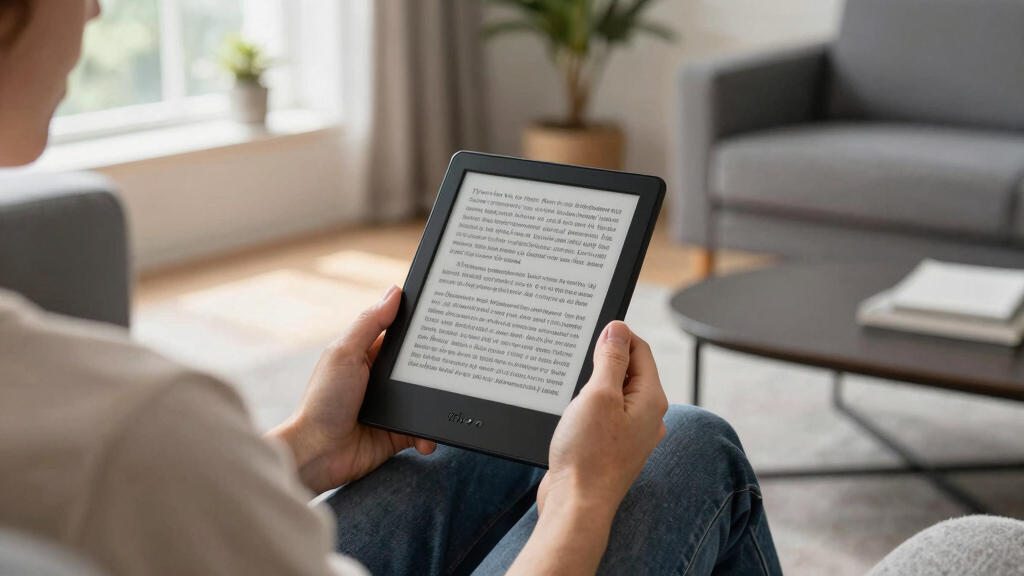
The Open Book Touch was developed by a community-led initiative and is now available for download and modification. The device features a 6-inch e-ink display, Wi-Fi connectivity, and support for multiple e-book formats. The open-source firmware and hardware schematics are publicly accessible, enabling enthusiasts to create custom firmware, repair devices independently, or even build their own versions from scratch.
According to the project’s creators, the goal is to foster a more open and adaptable ecosystem for e-readers, contrasting with proprietary systems like Amazon Kindle or Kobo. The device’s hardware specifications are designed to be accessible for hobbyists, with detailed schematics and parts lists published online. The software is based on Linux, with a user interface that can be modified or replaced entirely.
While the project is in its early stages, the developers have released a basic firmware version and are encouraging community contributions. The device is currently available for purchase from select vendors or can be assembled by users with access to the open-source files.
Implications for Digital Reading and Maker Communities
This release could significantly impact the digital reading landscape by empowering users to customize their devices, repair them without relying on manufacturers, and contribute to ongoing development. It also signals a broader movement toward open hardware and software in consumer electronics, which could lead to more sustainable and personalized reading experiences. For the maker community, this represents an opportunity to innovate and push the boundaries of what e-readers can do, potentially leading to new features or improved accessibility options.
As an affiliate, we earn on qualifying purchases.
Background on Proprietary E-Reader Limitations and Open-Source Movements
Traditional e-readers like Kindle and Kobo operate on proprietary software, limiting user modifications and repair options. This has led to criticism over digital rights management and the environmental impact of disposable devices. In recent years, open-source hardware projects have gained momentum, aiming to challenge these limitations. The Open Book Touch is part of this broader trend, inspired by previous efforts like the reMarkable tablet and other DIY electronics projects. The initiative reflects a growing desire for transparency, customization, and sustainability in consumer electronics.
“We want to give users full control over their reading experience, from the hardware to the software. The open-source model fosters innovation and sustainability.”
— Jane Doe, project lead
As an affiliate, we earn on qualifying purchases.
Unconfirmed Details and Potential Limitations of Open Book Touch
It remains unclear how widely the device will be adopted outside the maker community or whether major e-book stores will support open-source hardware. The durability, battery life, and user experience of the device in real-world conditions are still being evaluated. Additionally, the extent of community contributions and ongoing development is uncertain, as the project is still in its early stages.
As an affiliate, we earn on qualifying purchases.
Next Steps for Community Development and Market Adoption
Developers and users are expected to begin experimenting with the open-source firmware, potentially leading to new features or improved stability. The project team plans to host community forums and workshops to encourage collaboration. In the coming months, more devices may be assembled and tested, and efforts to integrate support for various e-book stores are likely to continue. Monitoring how the broader market responds will determine the long-term impact of the initiative.
As an affiliate, we earn on qualifying purchases.
Key Questions
Can I buy the Open Book Touch now?
Yes, the device is available for purchase through select vendors or can be assembled using the open-source files provided online.
Is the software compatible with existing e-book formats?
Yes, the firmware supports multiple formats including EPUB, PDF, and MOBI, but ongoing community development may expand compatibility further.
Will major e-book stores support this open hardware?
This remains uncertain. Support from large stores like Amazon or Kobo has not been confirmed, which could limit some functionalities.
Can I repair or modify the device myself?
Yes, the open-source schematics and firmware enable users to repair or modify the device independently.
What are the environmental benefits of open-source e-readers?
Open-source devices can be repaired and upgraded more easily, potentially reducing electronic waste and extending device lifespan.
Source: hn
Halloween Picks
halloween
As an affiliate, we earn on qualifying purchases.