
TL;DR

Get your wardrobe favorites delivered free — and shop member deals
- Fast, free delivery on millions of items
- Access to Prime Big Deal Days deals on October 6–7
- Prime Video, Amazon Music and more included
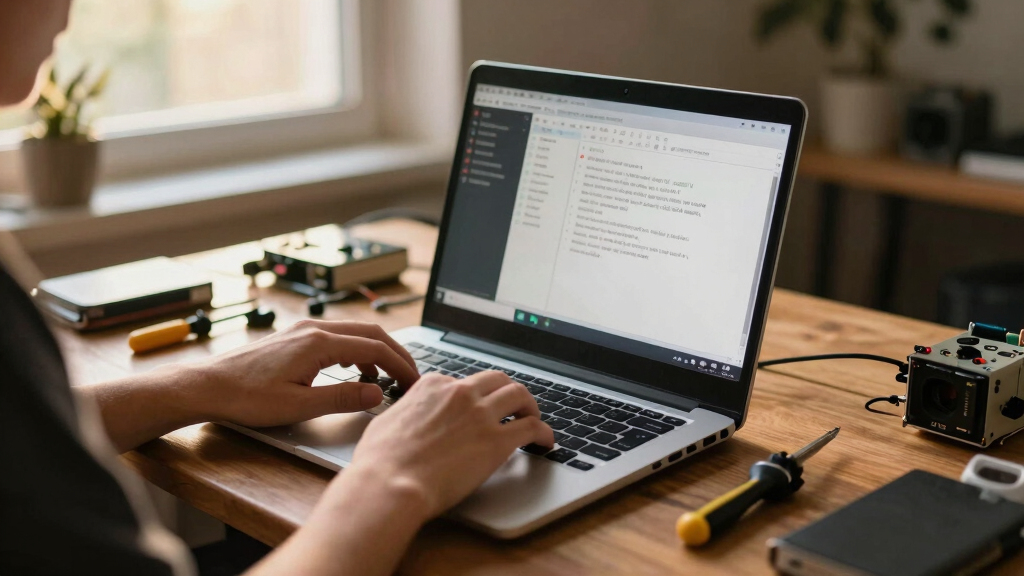
A user has restored a 15-year-old netbook by installing Arch Linux, showcasing how old hardware can still run modern, lightweight operating systems. The project highlights Linux’s flexibility and longevity.
A tech enthusiast has successfully installed Arch Linux on a 15-year-old netbook, demonstrating that even aging hardware can be repurposed with modern lightweight Linux distributions. This development highlights the potential for extending the lifespan of legacy devices and underscores Linux’s adaptability for older hardware.
The project involved installing Arch Linux, a minimal and highly customizable Linux distribution, on a netbook originally manufactured around 2009. The user reported that the installation process was straightforward, thanks to Arch’s flexible architecture and extensive community support. After installation, the netbook’s performance was notably improved compared to its original operating system, with faster boot times and smoother operation for basic tasks. This effort exemplifies how Linux can breathe new life into obsolete hardware, offering a sustainable alternative to device replacement. The user shared their experience on a tech forum, emphasizing that with careful configuration, even 15-year-old hardware can serve basic computing needs today.Reviving Old Hardware Demonstrates Linux’s Longevity
This achievement underscores Linux’s capacity to extend the usable life of aging devices, offering a sustainable and cost-effective solution for users with outdated hardware. It also highlights the flexibility of Linux distributions like Arch Linux, which can be tailored to run efficiently on low-resource systems. For consumers and organizations, this could reduce electronic waste and promote more sustainable tech practices. Additionally, it inspires hobbyists and tinkerers to explore repurposing old devices rather than discarding them, fostering a broader culture of reuse.lightweight Linux compatible netbook
As an affiliate, we earn on qualifying purchases.
As an affiliate, we earn on qualifying purchases.
Legacy Devices and the Rise of Lightweight Linux Distributions
Over the past decade, many users have faced the challenge of aging hardware becoming obsolete due to software bloat and increasing system requirements. Linux distributions such as Lubuntu, Puppy Linux, and Arch Linux have gained popularity for their ability to run on low-spec devices. The trend of repurposing old hardware has been supported by active communities sharing guides and success stories. This specific project follows a growing movement among tech enthusiasts to extend device lifespan, with many reporting success in installing lightweight distros on hardware over a decade old. The recent revival of a 15-year-old netbook exemplifies this ongoing shift toward sustainable computing practices.“Installing Arch Linux on this old netbook was surprisingly smooth. It runs faster and more responsively than I expected, proving that old hardware still has potential.”
— Tech hobbyist ‘LinuxLover123’
As an affiliate, we earn on qualifying purchases.
Extent of Usability and Performance Limits Still Unclear
While the initial installation and testing show promising results, it is not yet clear how well the netbook performs under sustained use or with more demanding tasks. Long-term stability, hardware driver support, and compatibility with peripherals remain to be fully evaluated. Additionally, the specific hardware specifications of the netbook (such as processor, RAM, and storage) influence its performance, and these details are still being assessed by the user.
As an affiliate, we earn on qualifying purchases.
Further Testing and Community Sharing of Results
The user plans to conduct extended testing, including everyday tasks like web browsing, document editing, and media playback. They also intend to share detailed guides and performance reports with the Linux community. This could encourage others to attempt similar projects, fostering a community of reuse and sustainable tech practices. Additionally, developers and enthusiasts may explore optimizing lightweight Linux distros further for very old hardware.
As an affiliate, we earn on qualifying purchases.
Key Questions
Can a 15-year-old netbook run modern Linux distributions?
Yes, with lightweight distributions like Arch Linux or Puppy Linux, it is possible to run modern Linux on very old hardware, including 15-year-old netbooks.
What are the main challenges in reviving old hardware with Linux?
Challenges include driver support for hardware components, limited processing power and RAM, and ensuring long-term stability for daily use.
Is this project suitable for non-experts?
Installing Arch Linux requires some technical knowledge, but many lightweight Linux distributions are more user-friendly for beginners interested in similar projects.
Does reviving old hardware with Linux reduce electronic waste?
Yes, repurposing old devices with Linux can extend their lifespan, reducing electronic waste and promoting more sustainable tech practices.
What hardware specifications are needed to run Arch Linux smoothly on old devices?
Minimal RAM (512MB to 1GB), a modest processor, and basic storage are sufficient for running Arch Linux on old hardware, but performance varies based on specific components.
Source: hn
Evergreen bestsellers Picks
bestsellers
As an affiliate, we earn on qualifying purchases.