
TL;DR
Open a free Amazon Business account
Business pricing, bulk buying and tax-exempt orders.
Create a free accountAs an affiliate, we earn on qualifying purchases.
Valve has made the design files for its Steam Machine e-ink screen publicly available, allowing enthusiasts to create their own. This move promotes customization and innovation among gaming hardware fans.
Valve has officially open-sourced the design files for its Steam Machine e-ink screen, allowing users and developers to build, modify, and integrate the display into custom projects. This development makes it possible for hardware enthusiasts to create their own versions of the e-ink screen, which was previously a proprietary component used in Valve’s Steam Deck and Steam Machines. The move is significant for the maker community and those interested in DIY gaming hardware, as it broadens access to a unique display technology.
Valve announced on its official developer blog that it has released the full hardware schematics, firmware, and assembly instructions for its Steam Machine e-ink screen under an open-source license. The display, which features low power consumption and high readability, was originally designed for Valve’s Steam Deck handheld gaming device and Steam Machines. The open-source release aims to foster innovation and allow creators to incorporate the e-ink display into custom projects, from portable gaming devices to specialized information displays.
Valve clarified that the design files include detailed schematics, firmware code, and assembly instructions, making it accessible for hobbyists and small manufacturers. The company emphasized that this initiative is part of its broader effort to support open hardware development and community-driven innovation. Valve also noted that it does not currently plan to sell the displays separately but hopes that community members will develop their own versions.
Impact on DIY Gaming Hardware and Modding Communities
This move by Valve is expected to significantly impact the DIY and modding communities by providing an officially supported blueprint for a high-quality, low-power e-ink display. Enthusiasts can now experiment with integrating the display into custom handheld consoles, portable PCs, or other hardware projects. The open-source release could also inspire third-party manufacturers to produce their own versions, potentially lowering costs and increasing accessibility for consumers interested in unique, customizable gaming hardware.
Furthermore, by sharing these design files, Valve promotes transparency and innovation in hardware development, encouraging a broader ecosystem of user-generated modifications and innovations. This could lead to new types of gaming accessories, information displays, or portable devices tailored to niche markets or specific user needs.

ELECROW ESP32 E-Ink Display 4.2 Inch E-Paper HMI Display Black/White Color
- Built-in ESP32-S3 Controller: Includes ESP32-S3-WROOM-1-N8R8 MCU
- SPI Interface: Supports standard 3-/4-wire SPI for easy integration
- Low Power Consumption: Consumes power only during refresh, retains static content
As an affiliate, we earn on qualifying purchases.
As an affiliate, we earn on qualifying purchases.
Valve’s History with Open Hardware Initiatives
Valve has historically supported open hardware projects, notably with the Steam Deck, which features user-replaceable parts and a Linux-based SteamOS. The company has also engaged with community modders and developers, providing tools and support for custom firmware and hardware modifications. The release of the e-ink screen design continues this trend, aligning with Valve’s broader strategy to foster a flexible, user-driven ecosystem for gaming hardware.
This announcement follows previous open-source initiatives, such as Valve’s support for Steam Deck modding and community-developed accessories. The company’s commitment to open hardware design reflects its recognition of the importance of community engagement in hardware innovation.
“We are excited to open-source the design files for our Steam Machine e-ink display, inviting the community to innovate and create their own versions.”
— Valve Developer Blog

MVMOD XF40V Retro Handheld Game Console, Retro Gaming Console 4.0 Inch 4K HD IPS Screen, Linux Open Source System, 18000+ Classic Games, Portable Pocket Video Gaming for Adults (64G Black)
- Preloaded with 18,000+ Classic Games: Curated retro games across multiple consoles
- 64GB High-Speed Storage: Ample space for games and data
- Linux Open Source System: Supports 30+ emulators with smooth performance
As an affiliate, we earn on qualifying purchases.
As an affiliate, we earn on qualifying purchases.
Remaining Questions About Production and Use
It is not yet clear whether Valve plans to produce and sell these displays commercially in the future or if the open-source files are solely intended for community experimentation. Additionally, the extent of community adoption and the potential for third-party manufacturers to produce compatible units remain uncertain. The practical performance and durability of user-made versions are also still to be tested in real-world conditions.

for dad,Photo Keychain,Picture Keychains,E-Ink Custom Picture Keychain with FindMy Tracker and Custom Design Color Picture,OS 14.0 and Up,Great Gift for Family and Friends
- Personalized HD Photo Display: Showcase images or text easily
- Instant Customization: Change photos anytime via app
- Long Battery Life: Up to one year on a single charge
As an affiliate, we earn on qualifying purchases.
As an affiliate, we earn on qualifying purchases.
Next Steps for DIY Hardware Developers and Valve
Community members and hardware developers are expected to begin building their own versions of the e-ink display using the released schematics. Valve may also monitor and support these efforts, potentially leading to unofficial or community-driven manufacturing of the displays. Further updates from Valve could include additional hardware designs or official collaborations with third-party manufacturers.
In the coming months, expect a surge of community projects, tutorials, and possibly third-party kits based on Valve’s open-source design. Valve’s ongoing engagement with the maker community will likely shape the future development and adoption of this technology.
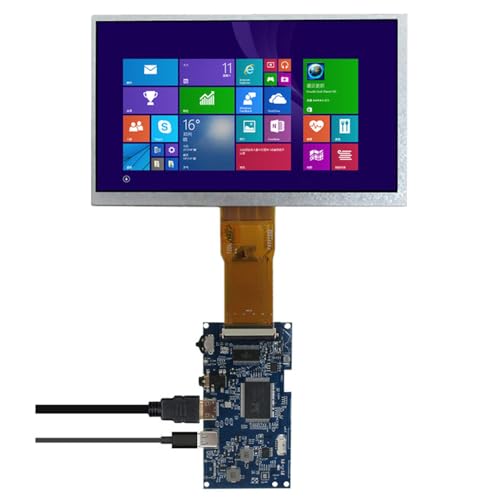
7-Inch 1024×600 Portable LCD Display Kit with Mini HDMI & Type-C – DIY Secondary Monitor for PC, Orange Pi, Gaming Consoles, TV Box, and HDMI-Compatible Devices
- Versatile Secondary Display: Compatible with PCs, Raspberry Pi, and more
- Portable Gaming Screen: Ideal for gaming consoles and on-the-go use
- Extended Multimedia Display: Enhances TV boxes and multimedia devices
As an affiliate, we earn on qualifying purchases.
As an affiliate, we earn on qualifying purchases.
Key Questions
Can I buy the Valve e-ink display now?
No, Valve has not announced plans to sell the display separately. The design files are open-source for community use and experimentation.
What skills do I need to build my own e-ink display based on Valve’s design?
Basic electronics, soldering, and familiarity with firmware programming are recommended. The design files include detailed schematics and instructions to assist hobbyists.
Will Valve support or endorse third-party manufacturing of these displays?
Valve has not indicated any plans for official manufacturing or sales, but the open-source nature encourages community-led production and innovation.
Are there any risks involved in building your own e-ink display?
As with any DIY electronics project, risks include potential hardware damage, firmware issues, or safety concerns if proper procedures are not followed. Users should proceed with caution and proper knowledge.
Source: hn
Pool season Picks
robotic pool cleaners
As an affiliate, we earn on qualifying purchases.