
TL;DR

Get your wardrobe favorites delivered free — and shop member deals
- Fast, free delivery on millions of items
- Access to Prime Big Deal Days deals on October 6–7
- Prime Video, Amazon Music and more included
A recent teardown of a supposed 7-port USB 3.0 hub shows it was not an authentic device. The discovery raises concerns about counterfeit electronics in the market. The investigation is ongoing to determine the scope of the issue.
A recent teardown of a 7-port USB 3.0 hub marketed as a generic accessory revealed that the device was not authentic. The discovery has raised concerns about counterfeit electronics infiltrating the market, with experts questioning the supply chain and safety implications.
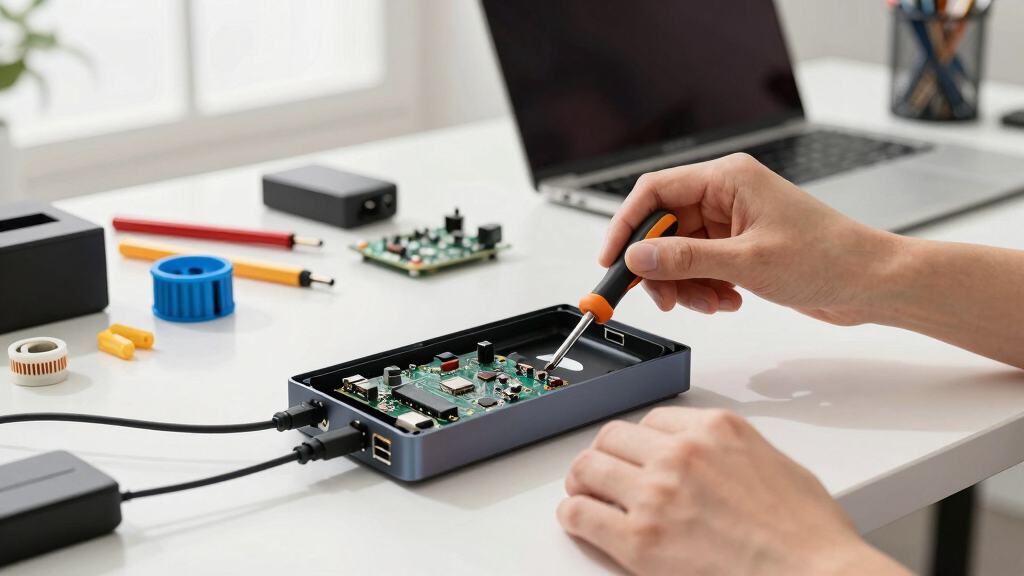
The device, purchased from an online marketplace, appeared to be a standard, low-cost USB hub with seven ports. However, technicians conducting a detailed disassembly identified that the internal components did not match those of genuine products. Instead, the circuit board and chips were inconsistent with authentic hardware, and some parts appeared to be recycled or counterfeit.
According to a source familiar with the teardown, the device’s internal chips lacked proper manufacturer markings, and the PCB design was atypical for authentic hubs. The external casing, while visually similar to legitimate products, was found to contain substandard materials that could affect durability and safety.
Risks of Counterfeit USB Devices in the Market
This discovery highlights the potential dangers posed by counterfeit electronic accessories, including safety hazards, reduced reliability, and potential data security risks. Consumers may unknowingly purchase fake devices that do not meet safety standards, increasing the risk of electrical faults or fire. Additionally, counterfeit products can undermine legitimate manufacturers and affect market trust.
As an affiliate, we earn on qualifying purchases.
Rise of Counterfeit Electronics and Market Impact
Counterfeit electronics, especially USB hubs and chargers, have become increasingly prevalent in online marketplaces. Experts have previously warned about the risks of fake chargers, which can pose fire hazards or damage connected devices. This latest teardown underscores ongoing supply chain issues and the difficulty consumers face in verifying product authenticity, especially for low-cost accessories.
“Manufacturers and retailers need to implement stricter verification processes to prevent counterfeit parts from reaching consumers.”
— tech supply chain expert John Smith
As an affiliate, we earn on qualifying purchases.
Extent of Counterfeit Hardware in Circulation Unknown
It is not yet clear how widespread the counterfeit versions of this USB hub are or whether other similar products are affected. Investigations are ongoing to determine if additional units or different models contain similar counterfeit components.
As an affiliate, we earn on qualifying purchases.
Further Testing and Market Surveillance Expected
Authorities and consumer safety groups are expected to conduct broader testing of similar USB hubs and electronic accessories. Retailers and manufacturers are likely to review their supply chains and implement more rigorous verification measures to prevent counterfeit products from reaching consumers.
As an affiliate, we earn on qualifying purchases.
Key Questions
What specific signs indicated the device was not genuine?
The internal chips lacked proper manufacturer markings, and the PCB design was inconsistent with authentic products. The materials used in the casing also appeared substandard.
Could using a counterfeit USB hub pose safety risks?
Yes, counterfeit USB hubs may have inferior components that increase the risk of electrical faults, overheating, or fire. They may also compromise data security.
How can consumers verify if a USB hub is genuine?
Consumers should purchase from reputable vendors, check for official branding and markings, and verify product serial numbers with manufacturers when possible.
Are there legal actions against counterfeit electronics like this?
Authorities are increasingly cracking down on counterfeit electronics, but enforcement varies by region. Consumers are encouraged to report suspicious products to authorities or consumer protection agencies.
What should retailers do to prevent selling fake products?
Retailers should verify supplier authenticity, conduct quality checks, and ensure supply chain transparency to prevent counterfeit items from reaching consumers.
Source: hn
Fall Picks
fall essentials
As an affiliate, we earn on qualifying purchases.