TL;DR

Get your wardrobe favorites delivered free with Prime
- Fast, free delivery on millions of items
- Prime Video, Amazon Music and more included
- Member-only deals all year
Who What Wear published a shopping guide recommending four cold-weather wardrobe categories: jeans, sweaters, jackets and boots. The report lists specific styles and retailers, but it does not identify one required item in each category or provide a budget, price comparison or independent product testing.
Who What Wear has published a fall and winter 2026 shopping guide built around four wardrobe basics: jeans, sweaters, jackets and boots. The shopping report points readers to styles from retailers including Levi’s, Zara, Nordstrom, J.Crew and Reformation, framing the categories as a way to focus cold-weather purchases rather than listing four single, mandatory products.
The guide’s jeans section highlights dark washes as a common choice for cooler months while also recommending classic medium-blue denim. Its listed options include straight-leg, wide-leg and barrel-leg cuts, with examples such as Levi’s Ribcage High Waist Wide Leg Jeans, FRAME’s Cigarette Crop Straight Leg Jeans and Pilcro barrel-leg styles. The report offers a range of silhouettes rather than prescribing one fit.
For knitwear, the report points to wool and cashmere, including crewneck and V-neck sweaters. It names products from Zara, Nordstrom and J.Crew, and says V-necks are on-trend again. In outerwear, the guide includes oversized bomber, funnel-neck and cape-like styles, as well as faux-leather and utility jackets. Listed examples include a Banana Republic leather barn jacket and COS’s Scarf Jacket.
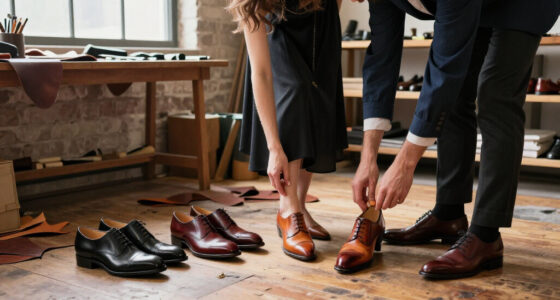
The final category is boots, with both ankle-length and taller options. The report highlights brown and black leather and suede, listing styles from Zara, Sam Edelman, Madewell and Reformation. Its headline’s “only buy 4 items” framing is therefore best understood as a focus on four types of basics: the article provides multiple product choices within each type, not a definitive four-item shopping list.
A Four-Category Cold-Weather Plan
The guide gives shoppers a simple way to organize seasonal purchases around frequently worn clothing categories, rather than treating every trend as a reason to buy something new. Jeans, knitwear, outerwear and boots can serve as practical starting points for a fall and winter wardrobe, while the range of cuts and styles leaves room for personal preference.
That framing may be useful to readers trying to narrow down shopping choices, but the recommendations remain editorial selections. The report does not compare the products’ durability, value or performance, and it does not establish that buying all four categories is necessary. Readers can use the list as a shopping reference, not as evidence that these specific items are essential for everyone.
Popular right now

Breville BES870XL Barista Express Espresso Machine, Brushed Stainless Steel

Shark HydroVac MessMaster Cordless Wet Dry Vacuum and Mop Combo, AW261

Bose QuietComfort Headphones (2nd Gen), Wireless Over-Ear Noise-Cancelling Headphones, Hazelnut Taupe
As an affiliate, we earn on qualifying purchases.
How the Guide Is Organized
The source report comes from Who What Wear and is written from the perspective of a shopping editor who says they follow seasonal trends, retail releases and fashion previews. It presents the suggestions as a seasonal edit, with separate product lists under jeans, sweaters, jackets and boots.
The article combines trend observations and product recommendations: it notes dark denim, cashmere and wool, V-necks, oversized bombers, funnel-neck jackets and leather or suede boots. These are the report’s descriptions of current fashion choices, not claims that every item is new or that the styles suit every reader. The source names products and brands but does not provide a single ranked winner for each category.
““Sometimes, making sure you have a solid collection of basics is the best thing you can do for your wardrobe.””
— Who What Wear shopping editor
What the Shopping List Does Not Establish
The source does not state prices, availability or stock status, and those details can change by retailer and date. It also does not provide comparative testing, sustainability information, care requirements or evidence that its picks are the best-value options. The recommendations should not be read as endorsements based on product trials.
Nor does the report define “must-have” for different climates, budgets or wardrobes. It does not say readers need exactly four purchases, or specify one product per category as the sole choice. Fit and sizing vary by brand, so readers would need to check each retailer’s current size charts and product details before buying.
Check Retail Listings Before Buying
The next step for shoppers is to review the current retailer listings for prices, sizes, materials and availability, then decide which categories address an actual wardrobe need. Because the source offers multiple alternatives rather than a fixed four-product set, readers can compare similar cuts and materials across brands before making a purchase.
The report provides no announced follow-up, sales event or future update. Its recommendations reflect the seasonal edit published for fall 2026; any changes in inventory or pricing would need to be confirmed directly with the retailers.
Key Questions
What four basics does the guide recommend?
It groups recommendations into jeans, sweaters, jackets and boots. The article lists several choices within each category rather than selecting just four products.
Which jeans styles are included?
The list includes straight-leg, wide-leg and barrel-leg jeans, with dark and medium-blue washes represented. Examples named include styles from Levi’s, FRAME and Pilcro.
What sweater materials and styles does the report highlight?
It points to wool and cashmere, including crewneck and V-neck options, and names products from Zara, Nordstrom and J.Crew.
Does the report identify the best product in each category?
No. It provides a shopping edit with multiple products but does not rank a single winner in each category or report comparative testing.
Are these items necessary for every wardrobe?
The source presents them as seasonal basics, not requirements. Individual needs, budgets, climates and fit preferences vary; shoppers can use the categories as a reference rather than a fixed checklist.
Source: whowhatwear.com