TL;DR

Get your wardrobe favorites delivered free — and shop member deals
- Fast, free delivery on millions of items
- Access to Prime Big Deal Days deals on October 6–7
- Prime Video, Amazon Music and more included
Field watches are rugged, simple, and built for durability in outdoor conditions. Pilot watches are larger, highly legible, and packed with aviation-inspired features. Knowing these key differences helps you pick the right watch for your needs.
Field watches are built for durability with a simple, rugged design suited for outdoor use.
Pilot watches are larger, feature-rich, and designed for quick readability and navigation in aviation scenarios.
Size and features should guide your choice—compact for everyday ruggedness, large and functional for style or aviation needs.
Materials have evolved, offering lightweight, scratch-resistant options across both styles.
Decide based on your lifestyle, whether you prioritize resilience or style and added functionality.
Two Tool Watches, Two Very Different Missions
TL;DR: Field watches are rugged, simple, and built for durability in outdoor conditions. Pilot watches are larger, highly legible, and packed with aviation-inspired functions. The right choice depends less on style alone and more on where the watch has to perform.
Compact, sleeve-friendly, and suited to daily rugged use.
Built larger for fast cockpit-style readability and glove use.
Size alone does not define purpose. Design, features, and history do.
Field watches come from ground-use durability and simplicity.
Pilot watches prioritize instant visibility and navigation utility.
Outdoor work, hiking, first response, camping, and everyday wear.
Travel, aviation styling, bold wrist presence, and extra functions.
The Core Contrast
Both styles are tool watches, but their priorities diverge quickly. A field watch is about resilience, restraint, and no-fuss timekeeping. A pilot watch is about visibility, control, and aviation-inspired function.
Field watches use simple dials, matte finishes, and durable straps for outdoor reliability.
Pilot watches use bigger dials, bold numerals, luminous hands, and aviation complications.
Your lifestyle should guide the choice: compact toughness or larger multifunction utility.
What Each Watch Looks Like
Field watches keep the dial quiet and practical. Pilot watches make information bigger, brighter, and more cockpit-ready.
Simple Arabic Numerals
Large, clear markers, luminous hands, and uncluttered layouts make field watches easy to read in mud, rain, and low light.
Matte Utility Finish
Brushed steel, canvas straps, and subdued surfaces hide wear while emphasizing function over polish.
Oversized Clarity
Bold numerals, expansive dials, and strong lume help pilots and travelers read time fast at a glance.
The Case Diameter Tells Part of the Story
A smaller field watch disappears into daily gear. A larger pilot watch turns the dial into an instrument panel for the wrist.
Typical Case Size Range
Why It Matters
Large cases improve visibility and operation under pressure, but can feel bulkier in daily casual wear. Smaller cases are more discreet and comfortable, though they may sacrifice some instant legibility.
Simple Timekeeper vs Wrist Instrument
Field watches reduce failure points. Pilot watches add navigation and travel functions when those tools provide real utility.
| Criterion | Field Watch | Pilot Watch | Best Match |
|---|---|---|---|
| Rugged outdoor durability | ✓ Primary purpose | ~ Depends on model | Field |
| Compact everyday comfort | ✓ Usually 36-40mm | ✗ Often 42-46mm | Field |
| Chronograph or slide rule bezel | ✗ Rare | ✓ Common aviation feature | Pilot |
| Multiple time zones or GMT | ~ Occasional | ✓ Traveler-friendly | Pilot |
| Low-maintenance simplicity | ✓ Three hands, date optional | ~ More complex | Field |
What Keeps Them Tough
Modern versions of both categories now use titanium, ceramic, carbon fiber, sapphire crystal, improved lume, and anti-reflective coatings. The difference is how those materials are expressed.
Field Origin
Military roots push the design toward shock resistance, dirt tolerance, and muted finishes.
Outdoor Build
Canvas, brushed steel, and matte cases help scratches look less obvious over time.
Pilot Origin
Aviation roots push the design toward fast reading, larger dials, and cockpit utility.
Travel Features
GMT hands, chronographs, and slide rule bezels support navigation and time-zone awareness.
Modern Upgrade
Scratch-resistant crystals and lightweight cases improve comfort across both styles.
Which One Belongs on Your Wrist?
Pick the watch that matches your environment first, then refine by size, movement, and materials.
Choose a Field Watch If
- You hike, camp, work outdoors, or need a tough daily watch.
- You prefer compact sizing that stays out of the way.
- You want simple timekeeping with fewer failure points.
- You like matte, utilitarian styling over polished presence.
Choose a Pilot Watch If
- You value bold readability and a larger case profile.
- You travel often or use GMT, chronograph, or timing functions.
- You enjoy aviation heritage and vintage-inspired design.
- You want a functional statement piece with extra wrist presence.
From Purpose to Purchase
The smartest choice comes from connecting the watch’s origin to your real daily use.
Bottom line: choose field for rugged reliability and everyday versatility; choose pilot for big-screen legibility, travel utility, and aviation character.
What a Field Watch Looks Like and Why It Matters
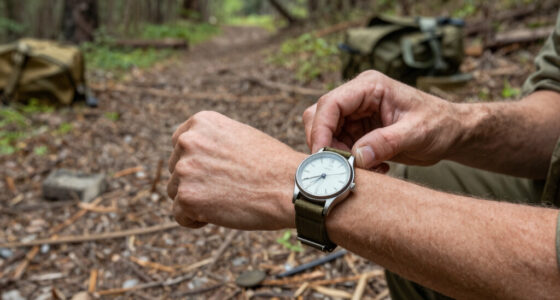
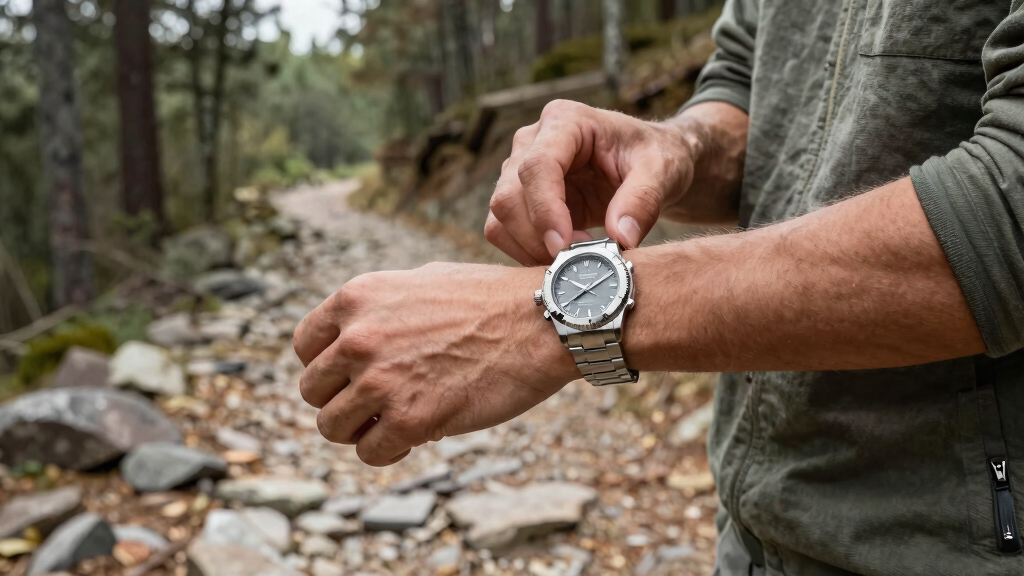
Field watches are designed for the outdoors. Think matte finishes, simple dials, and rugged straps. They prioritize durability and quick readability—no frills, just function.
Imagine a soldier in muddy terrain glancing at their watch—big, clear Arabic numerals, luminous hands, and a sturdy canvas strap. That’s a classic field watch, built to handle the roughest conditions without fuss.
Features like a screw-down crown and shock-resistant case ensure it keeps ticking even if you drop it. It’s all about resilience—perfect for outdoor adventures or military use.
Why this matters: The focus on durability and simplicity means you can rely on a field watch in extreme conditions. However, this often comes with tradeoffs—such as limited additional features or a less refined aesthetic. Choosing a field watch signals your need for practicality over style, making it ideal for rugged environments where reliability is paramount. This emphasis on ruggedness can sometimes sacrifice elegance or additional functionalities, so consider if your activities demand maximum toughness or if a more refined look suits your lifestyle better.
rugged field watch for outdoor activities
As an affiliate, we earn on qualifying purchases.
As an affiliate, we earn on qualifying purchases.
What a Pilot Watch Looks Like and Why It’s Different
Pilot watches lean into clarity and style, often larger and more complex. Expect oversized dials, bold numerals, and luminous hands—designed for quick reading at a glance, even in cockpit darkness.
Picture an aviator during WWII, referencing a big watch with a slide rule bezel for navigation calculations. That’s the essence of a pilot watch—combining practicality with a touch of vintage elegance.
Many feature additional functions—chronographs, GMT, multiple time zones—catering to aviation needs but also making them stylish statements.
Why this matters: The larger size and added features of pilot watches are not just about aesthetics—they serve practical purposes for pilots and travelers who need to access multiple time zones or perform quick calculations. The tradeoff is that they can be bulkier and more complex, which might be less comfortable for everyday wear outside of specific contexts. Choosing a pilot watch indicates a preference for functionality and style that echoes aviation history and utility. The extra functionalities can enhance your experience if you often travel or need precise timekeeping, but they may also add weight and complexity that could be a drawback for daily casual wear.
aviator pilot watch with aviation features
As an affiliate, we earn on qualifying purchases.
As an affiliate, we earn on qualifying purchases.
Size Matters: How Big Are These Watches?
Size is a key difference. Field watches typically stay between 36-40mm. They’re compact, easy to wear under sleeves or gloves, and less obtrusive.
Pilot watches often jump to 42-46mm. The larger size makes numbers and hands pop, essential when quick glances are needed in high-stakes situations.
For example, a 44mm pilot watch might look bold on your wrist but ensures visibility in low-light cockpit conditions. A 38mm field watch fits seamlessly into everyday gear without drawing too much attention.
Why this matters: The size influences not only comfort but also functionality—larger watches enhance readability and quick access, crucial in high-pressure scenarios. Smaller watches are more discreet and versatile for daily wear, but may sacrifice some legibility. Your choice reflects your priority: practicality and ease of use versus subtlety and comfort. Larger watches can be more functional in demanding environments, while smaller sizes favor versatility and comfort for everyday use.
As an affiliate, we earn on qualifying purchases.
Features and Functions: What Do They Do?
Field watches focus on durability and straightforward timekeeping—think three hands, date, and maybe a luminous dial. They’re built for outdoor resilience, not extra bells and whistles.
Pilot watches, however, often include chronographs, slide rule bezels for navigation, dual time zones, and luminous markers designed for rapid reading at night. They’re like Swiss Army knives for your wrist.
Why this matters: The features included in each type reflect their intended use. Field watches prioritize robustness and simplicity, minimizing the risk of malfunction in tough environments. Pilot watches incorporate complex functions to aid pilots and travelers, but this added complexity can make them more delicate and harder to maintain. The tradeoff is that more features can mean increased maintenance and potential points of failure. Your selection should align with whether you need straightforward reliability or multifunctionality for diverse tasks. Consider how often you’ll use these features—extra functions are valuable if they add real utility, but unnecessary complexity can be a hassle.
As an affiliate, we earn on qualifying purchases.
Material and Build: What Keeps Them Tough?
Both types now use advanced materials—titanium, ceramic, carbon fiber—to boost scratch resistance and cut weight. But their core build philosophies differ.
Field watches often have matte, brushed steel or durable fabric straps—meant to hide scratches and stand up to dirt.
Pilot watches may feature polished stainless steel or leather straps, emphasizing style but still built tough enough for daily wear. Their larger cases also mean thicker glass, often sapphire for scratch resistance.
Why this matters: Material choices directly influence the longevity and practicality of a watch. Field watches emphasize ruggedness with matte finishes and utilitarian straps, making them less prone to showing wear. Pilot watches, with their polished surfaces and leather straps, balance style with durability but may require more care to maintain their appearance. The choice of materials can impact your watch’s lifespan and how well it withstands daily or harsh conditions. Selecting the right material ensures your watch remains functional and attractive over time, whether you prioritize rugged utility or style-conscious durability.
Who Should Wear Which? Picking the Right Watch for You
If you spend your weekends hiking, camping, or working outdoors, a field watch’s compact size and ruggedness suit you perfectly. It stays out of your way while handling dirt, rain, and rough handling.
On the other hand, if you’re into aviation, travel, or want a statement piece that hints at adventure, a pilot watch offers size, style, and extra features.
For example, a nurse working long shifts might prefer a smaller, more discreet field watch, while a pilot or aviation enthusiast might lean toward a larger pilot watch with a chronograph and slide rule.
Why this matters: Your choice reflects your environment and daily needs. A rugged outdoor professional benefits from the simplicity and durability of a field watch, ensuring it can withstand rough conditions without fuss. Conversely, those who value style, multiple functions, or have an affinity for aviation history might prefer the larger, feature-rich pilot watch. Recognizing your primary use case ensures your watch complements your lifestyle and expectations, and choosing the right type can significantly improve your daily experience, whether it’s reliability in tough environments or style and functionality for travel and aviation.
The Price Spectrum: How Much Do They Cost?
Both styles span a wide range—from affordable quartz models under $200 to luxury mechanical pieces costing thousands. Price depends on materials, movement, and brand heritage.
High-end pilot watches from brands like Breitling or IWC often feature advanced complications and premium materials. Field watches from brands like Marathon or Seiko deliver durability at more accessible prices.
Why this matters: Understanding the price spectrum helps you set realistic expectations and prioritize features. Higher-priced models often incorporate more sophisticated movements, premium materials, and brand prestige, which can enhance longevity and performance. However, many affordable options now offer excellent durability and functionality, making them suitable for everyday wear. Your budget and intended use should guide your choice—investing in a more expensive watch may offer better features or craftsmanship, but there are also reliable, cost-effective options that meet most needs without breaking the bank.
FAQs About Field and Pilot Watches
- Can I wear a pilot watch for outdoor activities? Yes, but their larger size and additional features are optimized for aviation, not rugged outdoor use like field watches. Consider comfort and practicality when choosing.
- Are mechanical watches better than quartz? Mechanical watches offer craftsmanship and tradition, but quartz models are more accurate and low maintenance—choose based on your priorities and lifestyle.
- Is size a dealbreaker? Not necessarily. Comfort varies—try on different sizes to see what fits your wrist and style best. Larger watches may be more functional but less subtle.
- Are vintage watches still reliable? Many vintage models are reliable if well-maintained. Always check authenticity and condition before buying, especially for collectible pieces.
Frequently Asked Questions
Should I choose a quartz or mechanical watch?
If you want low maintenance and high accuracy, go quartz. If you appreciate craftsmanship and tradition, a mechanical movement adds character and appeal.Can I wear a larger pilot watch daily?
Absolutely, but comfort is key. Try on different sizes to see what feels natural on your wrist without feeling bulky.Are vintage watches still reliable?
Many vintage models are reliable if well-maintained. Always check authenticity and condition before buying, especially for collectible pieces.Conclusion
Choosing between a field and pilot watch boils down to what you need and where you’ll wear it. The right watch isn’t just about looks—it’s about matching your environment and tasks. When you select the one that fits your life, it becomes more than just a timekeeper; it’s a trusted tool on your wrist.Halloween Picks
halloween
As an affiliate, we earn on qualifying purchases.