
TL;DR

Get your wardrobe favorites delivered free with Prime
- Fast, free delivery on millions of items
- Prime Video, Amazon Music and more included
- Member-only deals all year
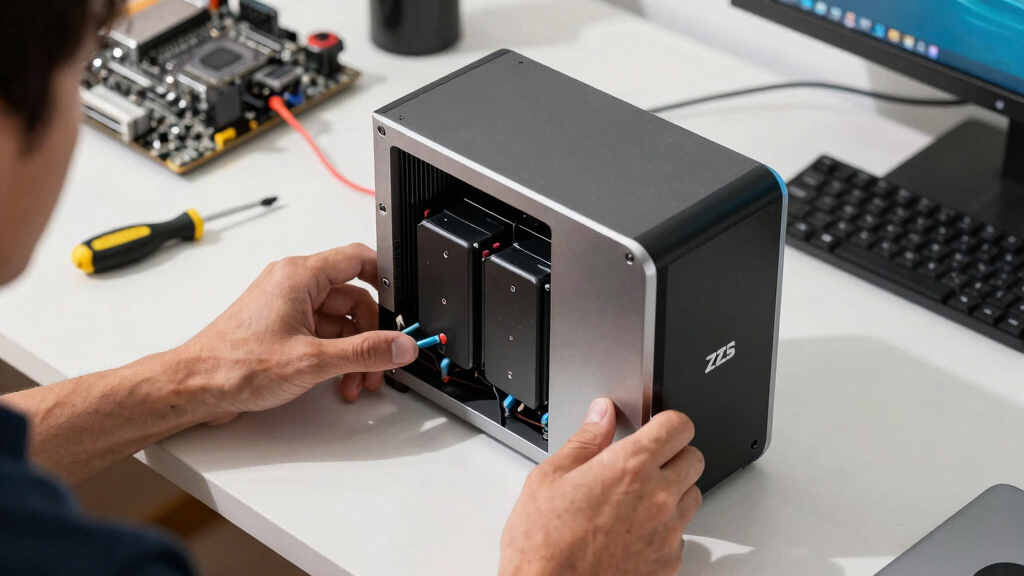
This article explains how to build a minimal ZFS-based NAS using custom hardware and open-source tools, bypassing commercial solutions like Synology, QNAP, and TrueNAS. It provides a detailed, practical approach for tech-savvy users seeking control and flexibility in 2024.
In 2024, a comprehensive guide has surfaced detailing how to build a minimal ZFS NAS using custom hardware and open-source software, bypassing popular commercial solutions like Synology, QNAP, and TrueNAS. This development offers tech enthusiasts a flexible, cost-effective alternative for personal data storage and management, emphasizing simplicity and control.
The guide recommends selecting affordable hardware components such as a modest CPU, sufficient RAM, and reliable storage drives. It advocates using open-source operating systems like Ubuntu Server or Debian, paired with ZFS for data integrity and snapshot capabilities. The setup involves installing ZFS, configuring network sharing protocols, and optimizing for low power consumption and ease of maintenance. The approach is aimed at users with a moderate level of technical expertise who prefer building their own storage solutions rather than purchasing pre-configured NAS devices from vendors like Synology or QNAP, or using TrueNAS.Why DIY ZFS NAS Builds Matter in 2024
This development matters because it offers a cost-effective, customizable alternative to commercial NAS solutions, giving users greater control over data privacy and hardware choices. As data storage needs grow and concerns about vendor lock-in increase, DIY solutions like this can appeal to tech-savvy individuals, small businesses, and open-source advocates. It also fosters innovation in personal data management, reducing reliance on proprietary systems and promoting transparency.As an affiliate, we earn on qualifying purchases.
Background of DIY NAS and ZFS Adoption
Over the past decade, open-source NAS solutions and ZFS have gained popularity among enthusiasts seeking more control over their data. Traditional vendors like Synology and QNAP have dominated the market with user-friendly interfaces but limited customization options. TrueNAS, built on FreeBSD, has been a preferred open-source platform, but recent trends show a shift towards more DIY approaches. In 2024, new guides and tutorials emphasize building minimalist systems with common hardware and open-source OSes, reflecting a desire for affordability and transparency in data storage.
“Building your own ZFS NAS lets you customize hardware and software, giving you full control over your data without vendor restrictions.”
— Tech enthusiast John Doe
As an affiliate, we earn on qualifying purchases.
Remaining Questions About DIY ZFS NAS Feasibility
While the guide provides a practical framework, it is not yet clear how scalable or maintenance-free such minimalist setups will be over time. Specific hardware compatibility issues, power efficiency, and long-term stability are still being tested by early adopters. Additionally, the level of technical expertise required may be a barrier for less experienced users, and community support for troubleshooting remains limited compared to established platforms like TrueNAS.
As an affiliate, we earn on qualifying purchases.
Next Steps for DIY NAS Builders and Developers
In the coming months, more detailed tutorials and user experiences are expected to emerge, helping to refine hardware choices and configuration best practices. Developers and community forums will likely provide updates to improve stability and ease of use. Manufacturers may also release compatible hardware or accessories tailored for DIY ZFS NAS setups, further lowering barriers for adoption. Monitoring these developments will be key for users considering building their own system.
As an affiliate, we earn on qualifying purchases.
Key Questions
What hardware do I need to build a DIY ZFS NAS?
A modest CPU (e.g., Intel or AMD), at least 8GB of RAM, reliable SATA or NVMe drives, and a compatible motherboard are recommended. Specific hardware depends on your storage needs and budget.
Is building a DIY NAS suitable for beginners?
While the guide simplifies many steps, some technical knowledge of Linux and hardware configuration is necessary. Beginners may need to consult community resources and tutorials for support.
How does a DIY ZFS NAS compare to commercial solutions?
DIY setups offer greater customization, potentially lower costs, and more control over hardware and data management. However, they may require more maintenance and troubleshooting.
Can I upgrade or expand my DIY NAS easily?
Yes, using standard hardware components allows for upgrades like additional drives or RAM, but planning for scalability in initial design is advisable.
What are the main advantages of using ZFS in a DIY NAS?
ZFS provides data integrity through checksums, snapshots for recovery, and efficient storage management, making it ideal for personal and small business use.
Source: hn
Halloween Picks
halloween
As an affiliate, we earn on qualifying purchases.