TL;DR

Get your wardrobe favorites delivered free with Prime
- Fast, free delivery on millions of items
- Prime Video, Amazon Music and more included
- Member-only deals all year
Durable tactical watches excel in toughness, using strong materials and advanced seals. They’re built for harsh environments, combining resilience with practical features like water resistance and illumination. Choosing the right one depends on your specific needs and environment.
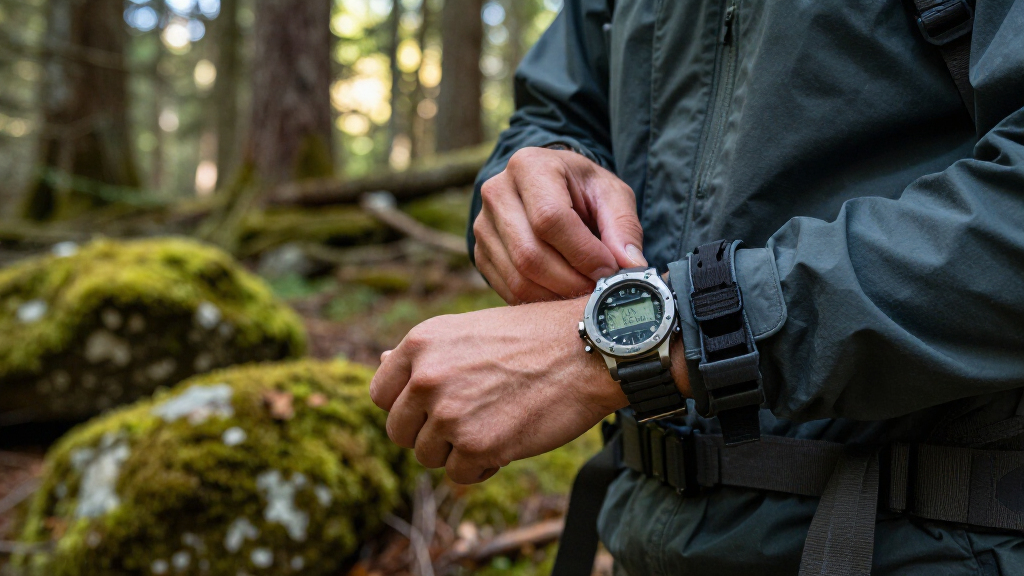
If you’ve ever tried to use a delicate dress watch in the wild or on a construction site, you know the frustration. Tactical watches are built for that reality—made to survive impacts, water, and the chaos of outdoor life. They’re not just tough; they’re reliable tools that keep ticking when others fail.
In this guide, you’ll learn what makes a watch truly durable, explore the latest innovations, and get practical tips for choosing the right model. Whether you’re a soldier, firefighter, hiker, or just someone who needs a watch that can handle the worst, this is your blueprint for resilience.
Materials like titanium and carbon fiber make tactical watches both lightweight and tough, perfect for demanding environments.
Water and shock resistance aren’t just bells and whistles—they’re what enable a watch to survive impacts and submersion in real-world use.
Latest tech, including solar power and modular designs, extends functionality without sacrificing durability.
Matching your watch’s features to your activity ensures you get the most out of your investment.
Choosing a watch tested to military standards guarantees resilience in extreme conditions.
What Makes a Tactical Watch Truly Tough?
A tactical watch’s strength starts with its build quality. Expect materials like stainless steel, titanium, or carbon fiber—each offering different balances of weight and durability. Titanium, for example, is incredibly strong yet lightweight, perfect for extended wear in the field. Choosing the right material involves tradeoffs: titanium is lighter and corrosion-resistant but can be more expensive, while stainless steel offers robustness at a slightly heavier weight. These choices impact comfort, longevity, and cost.
The crystal is equally important. Scratch-resistant sapphire or hardened mineral glass keeps your face clear after a fall onto concrete or brushing against rough rocks. This clarity is crucial because a scratched or cracked face impairs readability, which can be dangerous in critical situations. The tradeoff here is cost: sapphire is more scratch-resistant but pricier, while mineral glass is cheaper but more prone to scratches. Prioritizing crystal type depends on your environment and budget.
Straps matter, too. Rugged, woven nylon or ballistic fabric straps don’t just last longer—they grip your wrist even when soaked or sweaty, preventing slippage during intense activity. Some straps also offer quick-release mechanisms for easy removal or replacement, which can be vital if you need to swap gear quickly or clean your strap after exposure to dirt and water. The choice of strap influences comfort, security, and maintenance needs.
As an affiliate, we earn on qualifying purchases.
How Water and Shock Resistance Keep You Going
Imagine dropping your watch in a river or getting caught in a sudden downpour. A true tactical watch handles that. Many are rated for 100 meters or more in water resistance, enough for swimming or shallow diving. This level of water resistance matters because it ensures the watch won’t fail during accidental submersion—think rain, splashes, or accidental drops in water. For more demanding situations, models with 200 meters or more provide extra security, especially if your activity involves diving or prolonged water exposure. The deeper the water resistance rating, the more confidence you can have in the watch’s seal against water ingress, but higher ratings often mean thicker cases and potentially heavier watches, which can affect comfort.
Shock resistance is equally vital. Think about a soldier in the field or a hiker tripping over a rock. Durable watches often pass military standards like MIL-STD-810, which involve testing for drops from specific heights, vibrations, and extreme temperatures. These tests simulate real-world impacts and environmental stresses, providing assurance that the watch can withstand rough handling. For example, a G-Shock can survive a 7-meter fall and still function perfectly, thanks to its layered design and shock-absorbing materials. Recognizing these standards helps you understand the tradeoffs: more shock-resistant watches may be bulkier or more expensive but provide peace of mind in extreme conditions.
As an affiliate, we earn on qualifying purchases.
The Must-Have Features for Rugged Reliability
Durable tactical watches pack features that go beyond telling time. Luminous markers ensure visibility in blackouts or night ops. Many models include built-in compasses, barometers, or altimeters—tools that turn your watch into a mini-survival kit. These features are not just add-ons; they can be lifesaving in critical situations, providing orientation, weather data, or altitude information without needing separate devices.
Chronographs and timers help you manage tasks with precision, whether timing a rescue or tracking your hike. The display often shows military time—24-hour format—so there’s no confusion in critical moments. These features enhance functionality and reliability, reducing the need for additional gear and streamlining operations in high-stakes scenarios. The inclusion of multiple tools in one device simplifies logistics and ensures you’re prepared for various challenges, making the watch a true multi-tool for demanding environments.
For example, a Luminox watch uses tritium illumination, which glows for up to 25 years without needing a battery, perfect for long-term outdoor missions. Such features are designed to operate flawlessly over time, even in low-light or high-stress situations, ensuring you can rely on your watch when it matters most.
As an affiliate, we earn on qualifying purchases.
Latest Tech That Makes Tactical Watches Smarter
Innovation doesn’t stop at durability. Recent models now combine traditional toughness with smart tech. GPS tracking, fitness sensors, and connectivity are increasingly common. Imagine a watch that not only survives a fall but also tracks your route in real time or alerts you to environmental hazards. These advancements expand the utility of tactical watches from simple timekeeping to comprehensive survival tools.
Advanced materials like ceramics and carbon composites are reducing weight while boosting scratch and impact resistance. Solar panels and kinetic energy systems are extending battery life—some models run for decades without a battery change. This reduces maintenance and ensures your watch remains operational in remote or prolonged missions.
Modular designs let you customize your watch, swapping out straps or adding sensors based on your mission—turning a standard piece into a personalized tool. This flexibility allows users to adapt their watch to evolving needs, whether for military operations, outdoor adventures, or everyday rugged use. These technological leaps mean your watch can now do more while still standing up to harsh conditions.
As an affiliate, we earn on qualifying purchases.
Choosing the Right Tactical Watch for Your Needs
Not all tactical watches are created equal. Your choice depends on your environment and mission. For instance, a firefighter might prioritize water resistance and a quick-release strap, while a hiker might want barometers and GPS. Understanding your primary activities helps you identify which features are non-negotiable and which are optional luxuries.
Here’s a quick guide to help you decide:
| Use Case | Key Features | Recommended Models |
|---|---|---|
| Military & Law Enforcement | Shockproof, water-resistant, luminous markers, compass | Casio G-Shock, Marathon TSAR |
| Outdoor & Adventure | Altimeter, barometer, GPS, long battery life | Suunto Core, Garmin Fenix |
| Extreme Diving | 200+ meters water resistance, helium escape valve | Seiko Prospex, Citizen Promaster |
When selecting a tactical watch, consider how often you’ll be exposed to extreme conditions and whether the features align with your primary activities. Overloading with unnecessary features can add bulk and complexity, so prioritize what truly enhances your safety and efficiency in your specific environment. This tailored approach ensures your investment provides maximum value and reliability when you need it most.
Frequently Asked Questions
What features should I look for in a tactical watch?
Prioritize durability, water resistance, luminous markers, and added tools like compasses or barometers. Consider your specific environment and choose features that support your activities.Are tactical watches suitable for everyday wear?
Absolutely. Many models combine rugged toughness with sleek design, making them versatile enough for daily use. Just be aware some might be bulkier than standard watches.How do tactical watches compare to smartwatches?
Traditional tactical watches excel in durability, battery life, and reliability. Smartwatches offer advanced tech features but tend to be less rugged and have shorter battery spans.What is the best tactical watch for outdoor adventures?
Brands like Casio G-Shock, Suunto, and Marathon are known for their toughness, battery life, and feature sets tailored for outdoor use.How long do tactical watch batteries last?
It varies: quartz models last 2-5 years, solar-powered watches can run decades with proper exposure, and automatic watches operate as long as they’re worn regularly.Conclusion
If you need a watch that can handle the chaos of outdoor life or the rigors of professional duty, focus on durability and proven performance. A well-chosen tactical watch isn’t just about toughness; it’s about having a reliable partner that keeps pace with your most demanding days.
Remember, a tough watch isn’t just built to survive—it’s built to serve you when it matters most.
Halloween Picks
halloween
As an affiliate, we earn on qualifying purchases.