TL;DR
An office-friendly EDC is a curated set of tools that balances practicality with professionalism. Focus on discreet, durable gear like slim pens, bladeless multitools, and compact tech to stay prepared for daily tasks and minor emergencies.
Imagine reaching into your pocket and pulling out a sleek, reliable pen, a tiny flashlight, and a discreet multitool — all ready for the small emergencies of your day. No bulk, no tactical look, just essentials that fit into your professional life seamlessly.
Your office EDC isn’t about being prepared for Doomsday. It’s about having the right tools for common, predictable tasks — opening packages, fixing glasses, jotting down notes — without crossing workplace boundaries or alarming coworkers. This guide shows you how to build that perfect balance.
Prioritize discretion: choose slim, muted tools that blend into your professional wardrobe.
Limit your kit to 3-5 essential items—less is more for quick access and comfort.
Check workplace policies regularly to avoid carrying prohibited items.
Use organization tools like keyholders and pouches to keep your gear tidy and accessible.
Regularly audit your EDC to remove unused items and replace worn tools.
Everyday Carry at Work
Build a compact office kit that handles predictable problems without adding bulk, breaking policy, or broadcasting a tactical aesthetic. The ideal carry is quiet, useful and ready when the small things go wrong.
A lean kit for the problems you actually encounter
Choose each object for a recurring task. Muted finishes, compact dimensions and a clear professional purpose turn useful gear into an invisible part of the workday.
Pen + notebook
A smooth, reliable pen and slim notebook cover signatures, quick notes and ideas without depending on a charged device.
Bladeless multitool
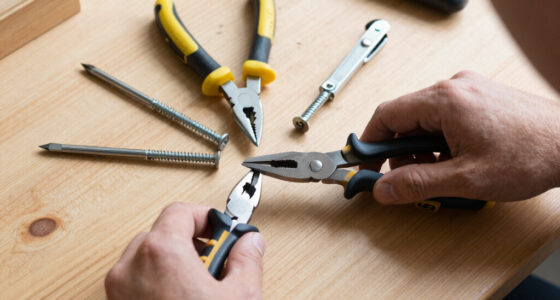
Scissors, screwdrivers and small pry tools solve loose screws, packaging and minor repairs with less policy risk.
Keychain light
A tiny rechargeable flashlight helps under desks, inside equipment cabinets and through dim parking areas.
Compact power
One USB-C cable, a slim power bank or a GaN charger replaces a nest of adapters and bulky charging bricks.
Keys, cards and pouch
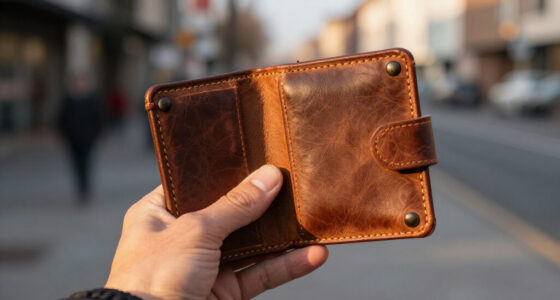
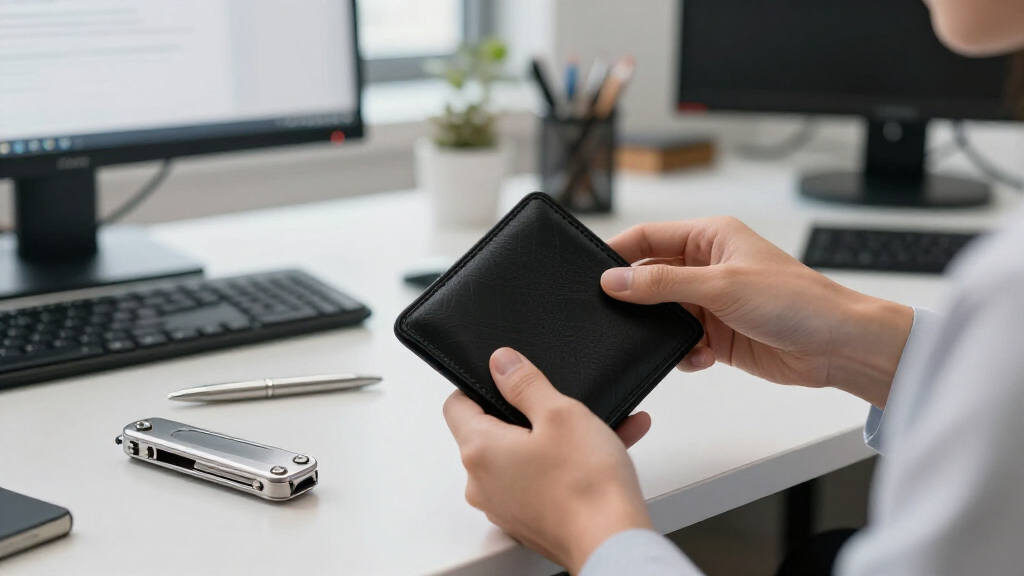
A key organizer, slim wallet and flat pouch stop rattling, pocket bulges and the frantic search for small tools.
Small recovery kit
Lip balm, mints, sanitizer and a stain-remover pen handle ordinary discomforts without filling an entire drawer.
Move occasional tools into a bag-based module. Keep only the items that earn their limited pocket space through frequent use.
From daily friction to a polished office EDC
Start with tasks, filter through policy, then reduce. This sequence prevents novelty purchases from becoming permanent pocket weight.
Assess needs
List recurring tasks: notes, packages, loose screws, batteries and charging.
Choose discreetly
Favor slim profiles, muted finishes, minimal branding and obvious utility.
Check policy
Confirm employer, building, travel and local restrictions before carrying.
Minimize bulk
Cap the core at three to five items and shift backups into a small pouch.
Audit monthly
Remove unused gear, replace worn tools and adapt to changes in routine.
The same utility can send a very different signal
Office-friendly gear makes its purpose immediately clear. Tactical styling may offer similar functions, but it introduces avoidable questions about intent, compliance and professionalism.
| Feature | Discreet office EDC | Tactical-style gear | Office verdict |
|---|---|---|---|
| Design | ✓Slim, muted, minimal branding | ~Aggressive coatings and styling | Blend in |
| Tools | ✓Scissors and bladeless functions | ✕Prominent blades and heavy tools | Prefer clear utility |
| Carry | ✓Pocket, organizer or flat pouch | ~Belt clips and bulky silhouettes | Keep it tidy |
| Perception | ✓Professional and task-oriented | ✕May concern coworkers or security | Reduce ambiguity |
| Compliance | ✓Designed around restrictions | ✕Higher confiscation or policy risk | Verify first |
Prioritize frequent, low-drama solutions
Relative scores visualize how naturally common categories fit a typical office routine. Actual suitability depends on your workplace rules and daily tasks.
Useful gear becomes a liability when policy says no
Check before you carry
- Employer rules: written knife and tool policies can prohibit items that are otherwise legal.
- Building security: corporate and government sites may screen bags or apply stricter entry requirements.
- Local law: blade length, locking mechanisms and automatic-opening rules vary by jurisdiction.
- IT policy: USB drives, trackers and charging devices may be restricted in secure environments.
- Travel rules: business trips add airline, airport and destination-specific restrictions.
How to Choose Gear That Won’t Get You in Trouble but Will Save Your Day
The key to office-friendly gear is discretion. Pick items that blend into your daily routine, not scream “tactical” or “prepper.” Think slim, muted colors, and tools that serve a clear purpose.
For example, replacing bulky pocket knives with a scissor-based multi-tool or a bladeless model reduces the risk of being mistaken for tactical gear, which could lead to workplace issues or security concerns. Opting for a compact, high-quality pen not only elevates your professionalism but also ensures smooth writing, reducing frustration during note-taking. A small flashlight that fits onto your keychain provides reliable illumination without drawing attention, which is crucial if you need to find something in the dark or navigate dimly lit areas.
Understanding workplace policies is essential because these rules are often in place for safety, security, or professionalism reasons. Many companies restrict visible blades or tactical gear to prevent misunderstandings or security risks. Always check HR policies or ask your security team if you’re unsure. The goal: be prepared for everyday needs without risking your position or making coworkers uncomfortable. This approach ensures your tools remain an asset rather than a liability, fostering a professional image while maintaining readiness.

Microsoft Surface Slim Pen 2 Matte Black – Bluetooth 5.0 Connectivity – 4,096 points of pressure sensitivity – Create in real time with zero force inking – Take notes naturally with haptic motor – Sha
- Design: Sleek, comfortable, carpenter-inspired style
- Natural Note-taking: Haptic motor mimics paper writing
- Enhanced Productivity: Customizable feedback for interactions
As an affiliate, we earn on qualifying purchases.
As an affiliate, we earn on qualifying purchases.
Build Your Core Office EDC in 5 Simple Steps
- Assess your daily needs: Reflect on your routine tasks—opening mail, jotting quick notes, fixing minor issues like loose screws or replacing batteries. Understanding these needs helps you focus on essential tools, avoiding clutter and unnecessary items that can distract or slow you down.
- Select discreet tools: Choose slim pens that write smoothly and look professional, bladeless or scissors-based multitools that can handle multiple small tasks, compact flashlights that fit comfortably in your pocket, and organizational accessories like slim wallets or pocket notebooks. Prioritize quality and purpose over quantity to ensure durability and ease of use.
- Check policies: Confirm what’s permitted in your workplace—especially regarding knives, blades, and tech gadgets. This step prevents accidental violations that could lead to disciplinary action or confiscation of your gear. Understanding these boundaries allows you to choose tools that are both useful and compliant, maintaining your professionalism and peace of mind.
- Minimize bulk: Limit your kit to 3-5 essential items to avoid overloading your pockets or bag. Use slim wallets, pocket notebooks, and key organizers to keep everything tidy and accessible. A cluttered kit not only looks unprofessional but also makes it harder to find what you need quickly in urgent moments.
- Practice monthly audits: Regularly review your EDC—remove unused items, replace worn or broken tools, and adjust based on changes in your routine or workplace policies. This habit ensures your kit remains relevant, functional, and discreet, preventing unnecessary clutter and ensuring reliability when you need it most.
This step-by-step approach not only keeps your kit lean but also reinforces good habits, ensuring your tools serve you effectively without becoming a distraction or source of concern at work.

NexTool Mini Sailor Lite Keychain Multitool, Bladeless
- 9-in-1 Multi-Tool: Includes pliers, screwdrivers, scissors, and more
- TSA Compliant Design: Bladeless for airline security and travel
- Compact & Portable: Fits on keychain, lightweight and small
As an affiliate, we earn on qualifying purchases.
As an affiliate, we earn on qualifying purchases.
Compare Common Office EDC Tools: Discreet vs. Tactical
| Feature | Discreet Office EDC |
|---|---|
| Design | Slim, muted colors, minimal branding |
| Tools | Bladeless multitools, compact pens, small flashlight |
| Size | Fits comfortably in pockets or small pouches |
| Legal/Policy | Meets workplace restrictions |
Contrast that with tactical gear: larger knives with tactical coatings, tactical flashlights with aggressive styling, and bulky multitools. These often violate office policies or raise eyebrows because they suggest preparedness for situations beyond everyday needs, which can be misinterpreted or cause concern among coworkers and security personnel. The tradeoff is clarity: tactical tools may seem impressive but can undermine your professionalism or even your safety in a workplace setting. Choosing discreet tools signals respect for the environment and indicates you are prepared for common tasks, not combat or survival scenarios. The goal is to balance utility with perception, ensuring your tools are both effective and appropriate.
The goal? Choose tools that solve daily problems without drawing attention.

LE LED Pen Flashlights, Lightweight, Mini, Waterproof Pocket Flashlight with Clip, 2 Pack Small Flashlights for Inspection, Work, Emergency
- Compact and Lightweight: Only 29g, easy to carry
- Bright and Focused Beam: Illuminates concentrated areas clearly
- Waterproof Design: IPX4 rated for rain and snow
As an affiliate, we earn on qualifying purchases.
As an affiliate, we earn on qualifying purchases.
Smart Ways to Carry Without Looking Tacticool
Carrying tactically styled gear can make you look like you’re ready for a mission, which might not be suitable for professional environments. Instead, opt for subtle carrying methods that keep your tools accessible but out of sight, reinforcing a professional appearance. Using slim wallets or cardholders with built-in pen pockets allows you to carry your writing instruments discreetly without bulging or drawing attention. Attaching a tiny flashlight to your keychain rather than clipping it to your belt prevents a tactical silhouette. Additionally, storing small multitools in a flat, pocket-sized pouch inside your bag or in dedicated compartments reduces bulk and maintains a clean look. For example, a coworker kept a sleek titanium pen in his shirt pocket, blending effortlessly with his dress shirt. When he needed to sign a document quickly, he reached in and grabbed it—no fuss, no alarm, and no tactical vibe. These methods help you stay prepared while maintaining a polished, professional appearance.

26pcs Mesh Zipper Pouch Bags, 8 Sizes Plastic Zippered Storage Bags for Organizing, Clear Pouches with Zipper, Waterproof Mesh Pouch for Office School Supplies, Home Organize, Travel Storage
- Number of Pouches: 26 mesh zipper pouches in 8 sizes
- Color Options: 8 vibrant colors for easy identification
- Material Quality: High-quality, wear-resistant PVC material
As an affiliate, we earn on qualifying purchases.
As an affiliate, we earn on qualifying purchases.
The Best Bladeless Multitools for Office Use
Bladeless multitools are a versatile alternative to traditional knives, especially in office environments where blades are often prohibited or frowned upon. They incorporate scissors, screwdrivers, pry tools, and other functions into a compact, legal package, making them invaluable for everyday minor tasks. For example, models from Leatherman Style PS and Victorinox’s scissors-based tools are well-regarded for their reliability, portability, and multi-functionality. They handle opening boxes, tightening loose screws, or fixing small appliances — tasks that frequently arise in office settings. The significance of these tools lies in their ability to provide reliable utility without the tactical or aggressive appearance associated with traditional multitools. They demonstrate how thoughtful design can meet safety standards and workplace expectations while still delivering practical benefits. Choosing a bladeless multitool means you’re prepared for a wide array of small, everyday problems without risking policy violations or creating an unprofessional impression.
Frequently Asked Questions
Can I carry a pocket knife at work?
It depends on your employer’s policies and local laws. Many offices ban blades, especially automatic or locking knives. Always check your company’s rules and opt for bladeless or small scissors-based tools if unsure.What’s the best way to organize keys and cables?
Use a slim key organizer like KeySmart or Orbitkey for keys. For cables, carry a compact tech pouch or a small cable organizer. Regularly declutter and only carry what you need for the week.How do I avoid looking tactical or unprofessional?
Choose tools with simple, muted finishes and avoid tactical branding or bright colors. Carry items in sleek pouches or pockets, and opt for styles that blend seamlessly with your office attire.What tech should I include in my daily carry?
A small power bank, a USB-C cable, earbuds, and a compact flash or LED flashlight are essentials. Keep tech accessories organized in a dedicated pouch to avoid clutter.How often should I review my EDC?
At least once a month. Remove unused items, replace worn tools, and adjust based on changes in your routine or workplace policies. Regular review keeps your kit relevant and reliable.Conclusion
Your office EDC isn’t about tactical gear or heavy-duty tools. It’s about building a curated set of reliable, discreet items that help you handle everyday tasks smoothly. When you focus on simplicity and purpose, your kit becomes an invisible partner in your workday.
Remember: less clutter, more readiness. Keep it lean, keep it professional, and stay prepared for whatever your day throws at you.