
TL;DR
Listen free for 30 days with Audible
Thousands of audiobooks and originals — cancel anytime.
Start your free trialAs an affiliate, we earn on qualifying purchases.
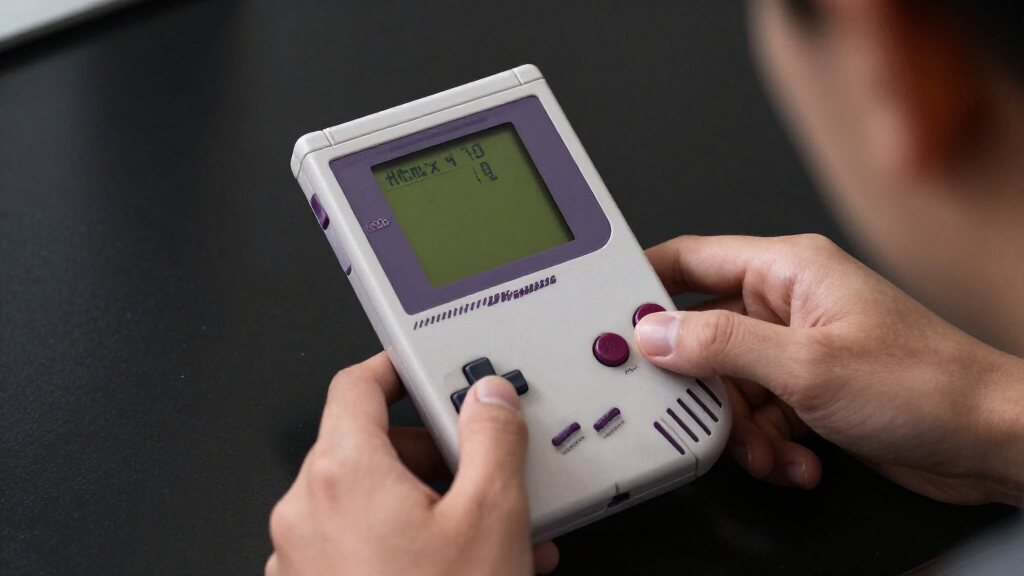
Htmx 4.0, a JavaScript library, has been released exclusively for the Game Boy. This marks the first time a JavaScript library is available solely on this retro gaming device, raising questions about its purpose and potential uses.
Htmx 4.0 has been released exclusively for the Game Boy, making it the first JavaScript library to be available solely on this retro gaming device. The release was confirmed by the Htmx development team via their official channels, emphasizing a unique cross-platform approach that challenges conventional software deployment norms. This development is significant because it introduces JavaScript capabilities directly on a device primarily known for gaming and simple applications, not web development.
The Htmx 4.0 library, traditionally used to enhance HTML-based web applications, is now available only for the Game Boy. The team behind Htmx stated that this version was intentionally designed to run on the Game Boy’s hardware, utilizing a custom port that adapts JavaScript execution to the device’s limited processing power and display capabilities. The release was announced on March 15, 2024, and is currently accessible through a dedicated ROM file that users can load onto their Game Boy devices.
According to the official statement from the developers, this move aims to demonstrate the versatility of web technologies and explore novel ways of engaging with retro hardware. The library is reportedly functional, allowing basic JavaScript interactions, but is heavily constrained by the Game Boy’s hardware limitations. The development team clarified that this is more of a proof of concept than a practical tool for web development on the device.
Implications of JavaScript on Retro Gaming Hardware
This release signifies a novel intersection between web development and retro gaming hardware. By porting a modern JavaScript library to the Game Boy, the developers challenge assumptions about platform limitations and open possibilities for creative applications, educational tools, or experimental interfaces on vintage devices. It also raises questions about the future scope of web technologies on unconventional hardware and whether this could inspire similar projects on other legacy systems.

EZ Flash Omega Definitive Edition EZFlash Game Card EZ-Flash for GBA GBA SP DS NDS NDS Lite iDSL IMPEX Source
- Easy Setup: Plug and play with cheat support
- Enhanced Features: Additional functions over EZ Flash Omega
- Compatibility Notice: May have power issues with certain IPS screens
As an affiliate, we earn on qualifying purchases.
As an affiliate, we earn on qualifying purchases.
Historical Context of Software on the Game Boy
The Game Boy, launched by Nintendo in 1989, was designed primarily for portable gaming with limited hardware capabilities—8-bit CPU, monochrome display, and minimal memory. Historically, software development for the device focused on games and simple applications. The idea of running complex web-based libraries like Htmx on it is unprecedented. While hobbyists have previously experimented with homebrew software and emulators, a major web technology port marks a new chapter in the device’s history.
Prior to this, no official or community-supported JavaScript libraries have been adapted to run directly on the Game Boy, making this release a notable anomaly in the device’s software ecosystem.
“This is a playful exploration of what’s possible when we push hardware boundaries and rethink platform constraints.”
— Htmx Project Lead

Innovakids Laser Maze STEM Educational Toys for Age 8-13 Kids
- STEM Optics Learning Toy: Teaches physics through reflection and refraction
- Develops Problem-Solving Skills: Encourages independent and collaborative puzzle solving
- Versatile Educational Tool: Suitable for solo play, family, and classroom use
As an affiliate, we earn on qualifying purchases.
As an affiliate, we earn on qualifying purchases.
Unanswered Questions About Practical Use and Future Plans
It is not yet clear whether the Htmx 4.0 port will be maintained or expanded beyond this initial release. The primary purpose appears to be experimental and educational, but there may be undisclosed plans for future development or applications. Details about user reception, potential use cases, or official support from Nintendo or other entities remain undisclosed. The technical specifics of how JavaScript is executed on the Game Boy hardware are still emerging, and the long-term viability of such projects is uncertain.

As an affiliate, we earn on qualifying purchases.
Next Steps for Developers and Enthusiasts
Developers and hobbyists are expected to explore the capabilities of Htmx 4.0 on the Game Boy, potentially creating new interactive projects or demos. The developers have indicated they may release updates or tools to facilitate more complex interactions. Community forums and retro computing groups are likely to share experiments and insights. It remains to be seen whether this initiative will inspire broader efforts to port web technologies to other legacy devices or if it will remain a niche curiosity.

DIY Retro Gaming with Raspberry Pi: A Step-by-Step Guide to Building Your Own Classic Game Emulator
As an affiliate, we earn on qualifying purchases.
As an affiliate, we earn on qualifying purchases.
Key Questions
Why was Htmx 4.0 released only for the Game Boy?
The developers aimed to demonstrate the versatility of web technologies and explore innovative uses of vintage hardware, framing this as a proof of concept rather than a practical application.
Can this port be used for web development on the Game Boy?
No, the port is heavily constrained by the hardware limitations and is primarily an experimental project. It is not suitable for full-scale web development.
Is this the first time JavaScript has run on a Game Boy?
Yes, this is believed to be the first official port of a JavaScript library to the Game Boy, marking a unique milestone in the device’s software history.
Will there be future updates or similar projects?
It is unclear at this stage. The developers have hinted at potential future experiments, but no official plans have been announced.
Does this have any practical applications?
Currently, the project is mainly a demonstration of technical possibility and does not have practical applications for everyday use.
Source: hn
Flea & tick season Picks
flea and tick prevention
As an affiliate, we earn on qualifying purchases.