
TL;DR

Get your wardrobe favorites delivered free with Prime
- Fast, free delivery on millions of items
- Prime Video, Amazon Music and more included
- Member-only deals all year
Choosing the right watch band involves matching the band to the watch case and dial first, then considering the style and occasion. Using color and material wisely transforms your watch from functional to a personal statement in seconds.
Ever looked at your watch and wondered if that bright silicone strap or sleek leather band really fits? The truth is, a watch isn’t just a tool — it’s a statement. And the right band can elevate your look, whether you’re in the field or at a formal dinner.
Getting it right isn’t complicated, but it does require understanding the basics. From matching metals to choosing colors that complement your wardrobe, this guide breaks down everything you need to make confident, practical choices. Ready to turn your watch into a wrist-ready style statement? Let’s go.
Always match your band to your watch case metal for a clean, cohesive look.
Leather straps follow a simple rule: match to your shoes and belt for formal wear.
Choose strap style based on your watch type — leather for dress, rubber for dive, fabric for casual.
Keep the proportion right: measure lug width and match strap thickness to watch case size.
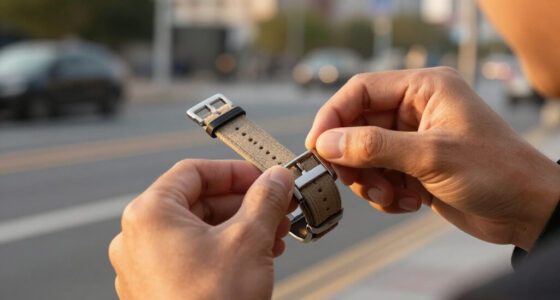
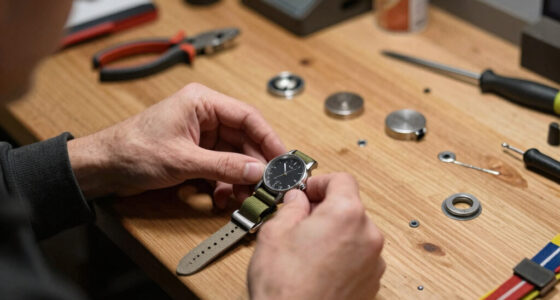
Switching straps is the easiest way to update your watch’s style for different occasions.
Match the Band to the Watch Case and Dial for Instant Harmony
The first step in matching your watch band is to consider the case and dial. Think of your watch as a single unit — the band should complement, not clash with, the case metal and dial color.
If your watch has a stainless-steel case, a metal bracelet matching that steel looks seamless. Gold-tone cases pair best with gold-colored straps or bracelets. When your watch features a black dial, it’s highly versatile: it works with black, brown, navy, olive, and even metal bands. White or silver dials blend well with black, light brown, or tan leather, giving a clean, classic vibe. Blue dials lean toward brown, tan, or navy straps, creating a sophisticated yet casual look.
For example, a diver’s watch with a steel case and blue dial pairs nicely with a stainless bracelet or a navy rubber strap. The dial acts as a visual anchor, guiding your choice of band for a balanced, cohesive appearance.
Understanding the relationship between case metal and dial color is crucial because it sets the foundation for a harmonious look. When these elements clash, it can create visual discord, making the watch feel mismatched or unintentional. Conversely, when they align, the watch appears thoughtfully coordinated, elevating your overall style and signaling attention to detail.
stainless steel watch band replacement
As an affiliate, we earn on qualifying purchases.
As an affiliate, we earn on qualifying purchases.
Leather Band Colors: Classic Rules That Still Hold Up
Leather straps follow a simple rule: match the strap to your belt and shoes. It’s a timeless guideline that instantly makes your outfit look put-together. A black leather band with black shoes and belt reads formal and sharp. Brown leather, whether dark or light, works in both casual and business settings.
But why does this matter? Because leather’s ability to adapt to different styles hinges on this matching principle. When your watch strap and footwear are coordinated, it creates a visual flow that signals thoughtfulness and coherence in your dressing. This subtle alignment can elevate your appearance from casual to polished, or from understated to elegant.
For instance, a vintage-style watch with a tan leather strap pairs perfectly with khaki chinos and a brown belt, reinforcing a relaxed yet considered look. Conversely, a sleek, black leather strap on a dress watch complements formal attire, emphasizing sophistication. The tradeoff is that strict matching can sometimes limit your style choices; however, it ensures a clean, harmonious aesthetic that’s universally recognized as tasteful. Modern fashion allows for some flexibility, but understanding these core rules helps you make intentional, impactful choices.
leather watch strap for dress watch
As an affiliate, we earn on qualifying purchases.
As an affiliate, we earn on qualifying purchases.
Match Band Style to Watch Type for the Perfect Fit
Different watch types call for different strap styles. A dress watch looks best with slim leather straps or refined metal bracelets. Dive watches demand sturdy rubber, NATO, or metal link bracelets that withstand water. Field and pilot watches suit rugged canvas, leather, or NATO straps in earthy tones.
But why does the style matter beyond aesthetics? Because each strap style enhances the watch’s functional identity. A dress watch’s slender leather strap emphasizes elegance and subtlety, making it suitable for formal settings. Dive watches with robust rubber or metal bracelets aren’t just about looks—they’re designed for durability and water resistance, ensuring reliability during aquatic activities or active pursuits. Field and pilot watches, often used outdoors or in demanding conditions, benefit from rugged, secure straps that can handle rough handling and environmental stress.
Choosing the right style thus isn’t just about matching appearance; it’s about optimizing the watch’s performance and ensuring it complements your lifestyle. When the strap aligns with the watch’s purpose, it reinforces the message of purpose-driven design, making your wristwear both practical and stylish.
As an affiliate, we earn on qualifying purchases.
Formality Hierarchy: From Elegant to Casual
Not all straps are created equal when it comes to formality. Metal bracelets and black leather straps top the list — they make your watch look sharp in a formal setting. Moving down the scale, dark brown leather is classy but slightly more relaxed. Light brown or tan leather introduces a casual touch. Canvas, NATO, and rubber straps are the most laid-back, perfect for weekends or outdoor adventures.
But what does this mean for your overall look? Because choosing the right strap material and color communicates your intent and appropriateness for the occasion. A metal bracelet or black leather strap signals formality and professionalism, ideal for business meetings or formal events. When you switch to a tan or light brown leather, it suggests a more relaxed attitude, suitable for casual gatherings or daytime outings. The tradeoff is that overly casual straps like NATO or rubber can sometimes undermine a formal appearance if not chosen carefully, but they excel in comfort and practicality for leisure activities.
Understanding this hierarchy helps you make quick, confident decisions. It’s about matching the visual language of your watch to the social context, ensuring your accessories support your overall presentation without confusion or miscommunication.
As an affiliate, we earn on qualifying purchases.
Proportion and Fit: The Secret to Comfortable, Stylish Wearing
Getting the right strap size isn’t just about aesthetics — it’s about comfort. Measure your lug width in millimeters (mm). Most common sizes are 18mm, 20mm, and 22mm. A strap that’s too narrow or wide looks awkward and can cause discomfort.
If you have a smaller wrist (under about 6.5 inches), lean toward 18–20mm straps and shorter lengths. For larger wrists, 22mm or thicker straps work better, providing a balanced look without feeling bulky.
But why is this important? Because proportion impacts how your watch feels and how it appears on your wrist. A strap that’s too tight can restrict movement and cause discomfort, while one that’s too loose looks sloppy and can catch on clothing or objects. Proper proportions ensure the watch sits correctly, enhancing both style and wearability. For example, a 20mm strap on a 38mm vintage diver creates a sleek, balanced look, while a thicker 24mm strap on a 44mm sport watch emphasizes its boldness. Matching the strap’s thickness and length to your watch size helps you avoid these issues and communicates a sense of intentional style.
Coordinate Your Watch and Wardrobe for Every Occasion
Matching your watch band to your wardrobe elevates every look. For formal occasions, stick with black or dark brown leather straps, or a sleek metal bracelet. Business casual calls for brown leather or Milanese mesh — something that’s professional yet relaxed.
But why does this coordination matter? Because your watch and strap serve as visual cues about your style and attention to detail. When they align with your outfit, they reinforce a cohesive image that signals confidence and appropriateness. For example, switching from a leather strap to a NATO strap instantly shifts your watch’s vibe from formal to casual, making it adaptable to different settings. This flexibility allows you to maximize the utility of your timepiece without owning multiple watches, simply by swapping straps that suit the occasion. The key is understanding how different strap styles and materials communicate different levels of formality and personality, so you can tailor your look effortlessly.
Recent Trends: From Quick-Change Straps to Sustainable Materials
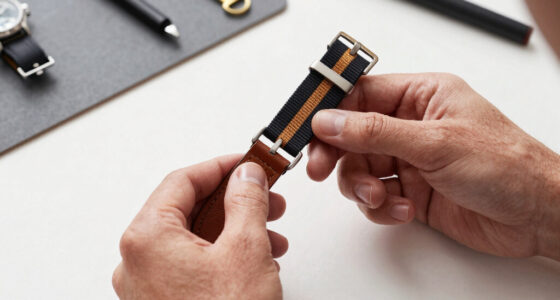
Today’s watch strap scene is all about versatility and sustainability. Quick-release spring bars make swapping straps fast and easy — many watches now ship with multiple straps for different moods. This trend turns your single watch into multiple looks, literally in seconds.
Luxury brands like Omega and Tudor promote proprietary quick-change systems that let you switch from a formal leather strap to a sporty rubber or NATO strap without tools. These systems make it effortless to adapt your watch to different occasions and styles, emphasizing versatility without sacrificing security. Meanwhile, eco-conscious options like recycled ocean plastic straps, vegan leather, and Piñatex are gaining popularity, making style more sustainable. These materials often offer similar durability and aesthetic appeal as traditional options but with a reduced environmental footprint, allowing you to wear your values as well as your style.
Bold color pairings, like bright orange NATO with a vintage diver or pastel rubber with a dressy watch, are common on social media. These trends reflect a shift toward personal expression and eco-awareness, even in the watch world. They also encourage experimentation, giving wearers the freedom to customize their look for every occasion and mood.
For example, a classic Rolex Submariner on its stainless bracelet can be transformed into a beach-ready look with a curved-end rubber strap, matching the vibrant vibe of a summer getaway. The ability to switch easily between straps expands your style options and makes your watch a more dynamic accessory.
Frequently Asked Questions
Should my watch band match my belt and shoes?
Yes, especially for formal settings. Matching your watch strap to your belt and shoes creates a unified, polished look. For casual wear, mixing and matching is also acceptable, allowing more personal expression.Can I wear a brown leather strap with a black-dial watch?
Absolutely. Brown leather pairs well with both black dials and cases, offering a versatile, stylish option for daily wear and casual outings.Is it OK to wear a metal bracelet with a formal outfit or suit?
Yes, a sleek metal bracelet often looks more polished and appropriate for formal occasions than casual straps. Opt for a refined, understated design for the best effect.What strap color goes with a blue dial?
Brown, tan, gray, and navy straps complement blue dials beautifully. Avoid bright or clashing colors to keep the look balanced and sophisticated.How do I find my watch’s strap size?
Measure the lug width in millimeters (mm) using a caliper or ruler. Most watches have this info on the case back or in the specs. Knowing your size makes strap swaps effortless.Conclusion
Your watch is more than just a timekeeper — it’s a reflection of your style and lifestyle. Picking the right band means balancing function, formality, and personal flair. Think of your watch as a versatile tool that can adapt to any occasion with a simple strap change.
Next time you look at your wrist, ask yourself: does this strap match the moment? A well-chosen band doesn’t just look good — it makes your watch work harder for you, every day.
Halloween Picks
halloween
As an affiliate, we earn on qualifying purchases.