
TL;DR
NATO and Zulu straps are both rugged, nylon-based watch bands rooted in military use. They differ mainly in design details and hardware, affecting fit, style, and purpose. Both are water-resistant and built for outdoor durability, but subtle distinctions matter when choosing the right strap.
Ever wonder why some watch straps look so similar but aren’t quite the same? NATO and Zulu straps are often confused, yet subtle differences can influence your choice. These straps are built tough, designed for military, outdoor, and everyday use. But understanding their origins, design quirks, and what makes each unique can save you from a mismatch.
Whether you’re a first responder, outdoor enthusiast, or just someone who appreciates a durable watch band, knowing what sets NATO and Zulu straps apart helps you pick the right one for your adventures. Let’s break down their design, history, and real-world application — so you can pick the perfect fit.
NATO straps are single-piece nylon bands with a simple, secure design rooted in military origins, making them easy to swap and highly durable.
Zulu straps are essentially similar but often feature different hardware or style variations that give a more tactical or rugged look.
Material quality and hardware finish greatly influence the lifespan of both strap types — invest in quality for longevity.
Both straps work well in water and outdoor environments, thanks to nylon’s water-resistant properties, but avoid prolonged sun exposure to prevent wear.
For a semi-formal look, opt for minimalist designs with subdued colors and hardware finishes that blend into more polished settings.
What Are NATO and Zulu Straps? The Basics in Plain Language
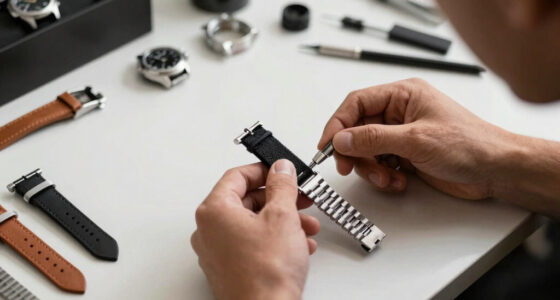
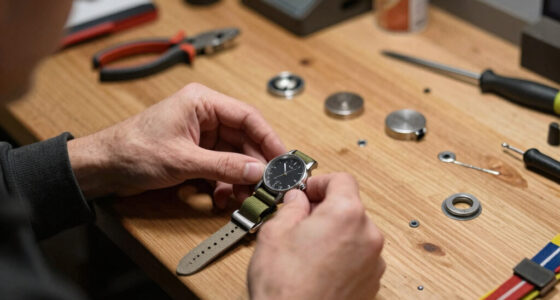
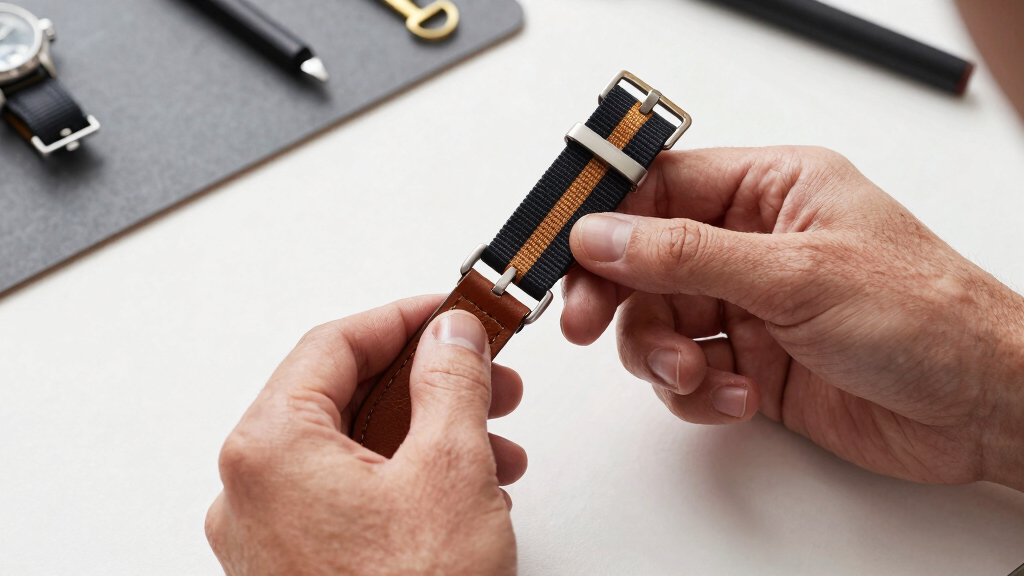
**NATO straps** are nylon watch bands born out of military needs in the 1970s. They feature a single piece of nylon that threads through your watch lugs, with a metal buckle and keepers. This design makes them highly durable, water-resistant, and easy to swap without tools. Imagine slipping on a sturdy, striped band that hugs your wrist snugly — that’s NATO.
**Zulu straps** are very similar in look and function but often come from different manufacturing traditions or branding. They usually use the same nylon material, but sometimes with different hardware or color schemes. Think of Zulu as a cousin to NATO, with slight variations that reflect different military or tactical preferences.
Both serve the same core purpose: rugged, simple, and built for action. But the small design details can impact comfort, style, and how they fit with your watch or outfit.

BISONSTRAP Men’s Nylon Watch Bands, Two-Piece Military Watch Straps, Quick Release, Brushed Buckle, 20mm, Black (Black Buckle)
Flexible and Comfortable: Made of tightly weave nylon fabric, this watch strap is soft, breathable, lightweight, washable and…
As an affiliate, we earn on qualifying purchases.
As an affiliate, we earn on qualifying purchases.
How Do NATO and Zulu Straps Differ in Design and Construction?
**NATO** and **Zulu straps** share core similarities, but their differences are significant when considering fit, style, and functionality. NATO straps are designed with a single nylon piece that slides underneath your watch, creating a continuous loop that secures your timepiece more effectively during vigorous activity or accidental impacts. This design distributes tension evenly across the strap and keeps the watch attached even if one spring bar fails, which is a crucial safety feature. The hardware—buckle and keepers—are usually lightweight but sturdy, emphasizing security and ease of adjustment.
**Zulu straps**, while often similar in construction, tend to feature hardware that emphasizes a tactical or rugged aesthetic. They may use matte or brushed finishes, thicker nylon, or additional loops for extra security or customization. The differences in hardware finish are not just aesthetic; they can influence the strap’s resistance to corrosion and wear over time, especially in harsh environments. Additionally, Zulu straps sometimes come in longer lengths or with reinforced stitching, which can provide extra durability but may add bulk.
**Implication:** The choice between NATO and Zulu often boils down to what you prioritize—security and simplicity with NATO, or a more tactical, rugged appearance with Zulu. The hardware and construction details also influence comfort, ease of use, and how well the strap ages under different conditions. For example, a Zulu with thicker nylon and reinforced stitching might last longer in extreme outdoor activities but could feel bulkier on a smaller wrist. Conversely, NATO’s streamlined design favors quick swaps and lighter wear but might offer slightly less ruggedness in very abrasive environments.
**Tip:** Always consider your specific needs—if you’re engaging in high-impact outdoor activities, a Zulu with reinforced hardware might be better; for everyday casual or quick changes, NATO’s simplicity is advantageous.

Alxptino Nylon Watch Band for Men – Soft and Durable Watch Strap with Black PVD Brushed Buckle (Black, 22mm)
Alxptino watch strap is a stylish, soft, and breathable watch accessory that can be used in both hot…
As an affiliate, we earn on qualifying purchases.
As an affiliate, we earn on qualifying purchases.
Which One Is More Durable? The Real-World Answer
Both NATO and Zulu straps are engineered for resilience in demanding environments, but their durability hinges on material quality, manufacturing standards, and intended use. Nylon, the primary material, is inherently strong, resistant to water, sweat, UV rays, and dirt—making these straps suitable for outdoor, active lifestyles. However, not all nylon is created equal. High-quality ballistic nylon or reinforced fibers significantly extend the lifespan by resisting fraying and tearing, especially under prolonged exposure to rough conditions.
**Implication:** The durability of these straps isn’t just about the nylon; hardware quality plays a pivotal role. Corrosion-resistant buckles and keepers made from stainless steel or coated metals prevent rusting, which is critical in saltwater or humid environments. Reinforced stitching and thicker nylon layers also prevent early failure from abrasion or tension. Choosing a strap with high-grade materials and hardware designed for harsh conditions ensures your investment pays off, providing years of reliable service and reducing the need for frequent replacements. Lower-quality straps may seem economical initially but often deteriorate quickly, exposing your watch to potential damage and leading to more frequent purchases. The tradeoff is clear: investing in quality pays dividends over time, especially if you rely heavily on your watch in demanding environments.
**Bottom line:** Durability isn’t solely about the raw materials but also about how well the strap is manufactured, with attention to reinforced stitching, hardware resilience, and overall design. For outdoor adventurers, tactical professionals, or anyone pushing their gear to the limits, selecting high-grade nylon and corrosion-resistant hardware is essential for longevity and dependable performance.

TACTICAL FROG 20mm 22mm Fast Release Nylon Watch band with Stainless Steel Buckle, Two-Piece Waterproof Nylon Watch Strap for Men and Women (Grey-A, 18mm)
Waterproof Breathable: Our nylon watch band measures 1mm thick, lightweight and breathable for all day comfort. Dirt and…
As an affiliate, we earn on qualifying purchases.
As an affiliate, we earn on qualifying purchases.
Can You Wear NATO or Zulu Straps in Formal Settings?
**Strictly casual?** Not anymore. While traditionally associated with military or outdoor gear, both NATO and Zulu straps have evolved, and their adaptability now extends into semi-formal and even some formal settings. The key lies in choosing designs that are more subdued and refined. Modern brands produce nylon straps with matte or brushed hardware, in darker, muted colors like black, navy, or dark gray, which blend seamlessly with business casual attire. Additionally, some manufacturers incorporate leather accents or use softer, more refined nylon blends, elevating the overall aesthetic.
**Implication:** Wearing a NATO or Zulu strap in a semi-formal setting signals a practical, no-nonsense style. It can be a statement of rugged elegance if paired correctly, especially when the strap’s hardware and color scheme are understated. However, they still retain a casual or tactical vibe, so they may not be suitable for very formal occasions that require a leather strap or metal bracelet.
**Pro tip:** To elevate their look, opt for straps with minimal branding, matte or brushed hardware finishes, and subdued colors that complement your outfit. Avoid bright stripes or overly tactical patterns if you want a more polished appearance.
**Tradeoff:** While these straps can be worn in semi-formal contexts, they won’t replicate the elegance of traditional leather or metal bands. They’re best suited for smart-casual settings where durability and comfort are prioritized, but they can add a unique, practical touch to your ensemble.

BISONSTRAP Men’s Nylon Watch Bands, Two-Piece Military Watch Straps, Quick Release, Brushed Buckle, 20mm, Army Green (Black Buckle)
Flexible and Comfortable: Made of tightly weave nylon fabric, this watch strap is soft, breathable, lightweight, washable and…
As an affiliate, we earn on qualifying purchases.
As an affiliate, we earn on qualifying purchases.
How to Pick the Right Size for Your NATO or Zulu Strap
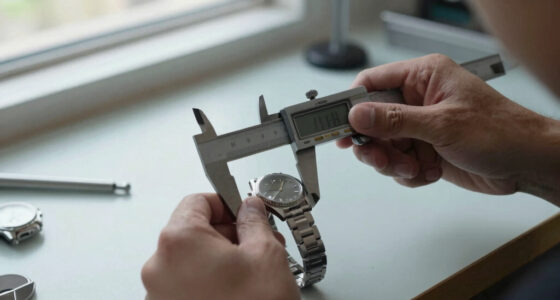
- Measure your watch’s lug width — usually written on the case or in the manual. Common sizes range from 18mm to 24mm.
- Determine your wrist circumference. Use a flexible tape or string, then measure against a ruler.
- Select a strap length that accommodates your wrist comfortably. Most straps come in standard and extra-long versions, but understanding your wrist size helps prevent dissatisfaction—too short and it won’t fit; too long and it might look sloppy.
- Check the strap’s adjustability. Some have multiple holes, allowing precise fit, while others rely on hardware stops or fixed lengths. This impacts how well the strap adapts to your wrist size and activity level.
- Try it on. The strap should be snug enough to prevent slipping but not so tight as to restrict circulation. Ensure there’s enough tail to tuck into keepers for a clean look.
**Implication:** Proper sizing impacts comfort, security, and the overall aesthetic. An ill-fitting strap can cause discomfort or even damage your watch or skin. Choosing the right size ensures your watch stays secure during daily activities and outdoor pursuits, reducing the risk of accidental drops or damage. A well-sized strap improves overall comfort and confidence in your watch’s security, especially during vigorous activities or extended wear.
**Tip:** When in doubt, select a slightly longer strap—this provides flexibility and comfort, especially if you wear gloves or have a larger wrist. You can always tuck excess strap or trim it if the design allows, but a too-short strap can be uncomfortable or unusable.
Are NATO and Zulu Straps Suitable for Water and Outdoor Activities?
Absolutely. Both straps are inherently suited for wet conditions because of their nylon construction. Nylon’s water resistance means they won’t swell, crack, or degrade when exposed to moisture, making them ideal for swimming, diving, hiking, or other outdoor pursuits. They dry quickly, which helps prevent skin irritation and mold growth, and resist salt, mud, and dirt—common outdoor contaminants that can compromise other materials.
**Real-world significance:** A firefighter or rescue worker can rely on a NATO or Zulu strap during strenuous activity involving water or mud. After exposure, rinsing with fresh water and allowing the strap to air dry restores its integrity and appearance. This resilience means fewer replacements and consistent performance over years of rugged use. Their water resistance and quick-drying properties are crucial for outdoor professionals and adventurers who need reliable gear that can handle unpredictable conditions.
**Warning:** While nylon is durable, prolonged exposure to harsh chemicals like chlorine bleach or industrial solvents can weaken the fibers. Similarly, excessive UV exposure can cause fading or weakening over time. Regular cleaning and storage out of direct sunlight extend the lifespan. Proper maintenance ensures that the strap retains its structural integrity and appearance, which is vital for safety and style.
**Implication:** For active outdoor enthusiasts or professionals, these straps offer a practical, reliable solution that withstands the elements without sacrificing comfort or style. Their resilience in wet and dirty environments makes them indispensable for rugged use, but understanding their limitations helps ensure longevity and performance.
How Do Manufacturers Innovate with NATO and Zulu Straps Today?
Modern brands are pushing the boundaries of traditional NATO and Zulu strap designs by integrating advanced materials and innovative features. Instead of plain nylon, you’ll find straps made from ballistic nylon, silicone composites, or eco-friendly fabrics that boost durability, comfort, and sustainability. These materials often provide better resistance to abrasion, UV degradation, and environmental wear.
**Customization** has become a key trend, with options ranging from camouflage patterns and subdued monochromes to hardware finishes and quick-release mechanisms. These innovations make swapping straps faster and easier, allowing you to adapt your style or function on the fly—be it for tactical missions or everyday wear.
**Implication:** If you’re serious about rugged, long-lasting gear, look for straps with reinforced stitching, thicker nylon, or metal hardware designed to withstand the toughest conditions. Some manufacturers also incorporate antimicrobial coatings or eco-conscious production methods, aligning durability with environmental responsibility. These innovations mean your strap can be tailored to specific needs, whether for extreme sports, professional use, or everyday durability, combining practicality with cutting-edge design.
**In action:** Military units, outdoor brands, and tactical gear companies often collaborate on limited editions, pushing these straps into high-performance territories. Such innovations mean you can find options that are not only durable but also tailored to specific needs—whether for extreme sports, professional use, or everyday durability.
Frequently Asked Questions
Can I switch between NATO and Zulu straps easily?
Yes. Both straps are designed to fit standard watch lugs and use similar hardware. Just measure your lug width and ensure the strap length is right. Some minor hardware differences might require a quick swap of buckles or keepers, but overall, they’re interchangeable.
Are NATO or Zulu straps better for heavy outdoor use?
Both are excellent choices. Made from durable nylon, they resist water, dirt, and UV rays. For intense outdoor activities, opt for high-quality straps with reinforced stitching or ballistic nylon for extra toughness. Proper maintenance — rinsing after exposure to salt or mud — extends their life.
Can I wear these straps in formal settings?
While traditionally casual, refined versions of NATO and Zulu straps with subdued colors and polished hardware are now suitable for semi-formal wear. Avoid bright stripes or tactical patterns if you want a more polished look.
How do I choose the right size?
Measure your watch’s lug width and wrist circumference. Select a strap that fits snugly without tightness, with enough length to tuck excess strap into keepers. When in doubt, go for a slightly longer strap — you can always tuck excess or trim if needed.
Are NATO and Zulu straps good for water activities?
Yes. Nylon is water-resistant, making these straps ideal for swimming, diving, and outdoor adventures. Rinse with fresh water after saltwater or muddy exposure and air dry to prolong their lifespan.
Conclusion
Understanding the subtle differences between NATO and Zulu straps helps you pick the right gear for your lifestyle. Whether you need rugged reliability or a tactical edge, these straps deliver. Remember, the best strap is the one that fits your wrist, matches your style, and withstands your adventures.
Next time you’re shopping, focus on material quality, hardware finish, and length. That’s what makes all the difference in durability and comfort. Gear up, and wear your watch with confidence — wherever your day takes you.