
TL;DR

Get your wardrobe favorites delivered free with Prime
- Fast, free delivery on millions of items
- Prime Video, Amazon Music and more included
- Member-only deals all year
Spring bar tools are key for watch strap work. Using the right tools correctly prevents damage and injury. Focus on proper technique, safety, and choosing quality tools for longevity.
Ever tried swapping a watch strap, only to scratch the case or send a tiny spring bar flying across the room? That frustration stops here. Spring bar tools are simple but powerful devices designed to make strap changes safe and straightforward. If you’re serious about your watches — whether for everyday wear or a hobby — knowing how to use these tools properly saves you money and keeps your watch looking sharp.
In this guide, you’ll learn what spring bar tools are, how to pick the right one, and the safest techniques to avoid mishaps. You’ll also see how recent innovations make the job easier and more foolproof. Ready to handle your watch like a pro? Let’s dive in.
Choose the right size and type of spring bar tool to match your watch and strap needs.
Work slowly and carefully—rushing increases the risk of damage or injury.
Keep your tools clean, well-maintained, and stored properly to ensure safety and longevity.
Recent innovations like magnetic tips and ergonomic handles make strap work safer and easier for everyone.
Practicing patience and precision saves money and keeps your watch looking its best.
Spring Bar Tools and How to Use Them Safely
A tiny tool can prevent an expensive mistake. Match the tip to the hardware, stabilize the watch, compress the spring bar with steady pressure, and never let speed outrun control.
The right end for the right job
Spring bars are tensioned metal rods seated between the watch lugs. A purpose-built tool compresses the shoulder or pushes the tip inward, creating enough clearance to remove the strap without scraping the case.
Forked Tool
The U-shaped tip catches a spring-bar shoulder and compresses it away from the lug. It is efficient for routine leather, rubber, and bracelet changes.
Pointed Pusher
A narrow point reaches drilled lugs or tight openings. It favors precise inward pressure over leverage and is useful during careful installation.
Dual-Ended Tool
A fork and pusher share one handle. It covers most home strap changes, though replaceable, well-machined tips matter more than the number of functions.
Match the size
Confirm the lug width and choose a fork that fits the spring-bar shoulder snugly. A loose fit invites slipping.
Match the task
Use a fork for accessible shoulders and a pusher for drilled lugs, insertion, or confined spaces.
Check the build
Favor stainless steel, replaceable tips, a non-slip handle, and clean machining without rough edges.
Which tool fits your workflow?
Speed is useful only when it comes with control. A forked tool wins routine removals; a pointed pusher excels at precision; a quality dual-ended design is the practical all-rounder.
| Feature | Forked Tool | Pointed Pusher | Dual-Ended Tool |
|---|---|---|---|
| Quick strap removal | ✓ Excellent | ✗ Limited | ✓ Excellent |
| Drilled-lug access | ✗ Poor | ✓ Excellent | ✓ Excellent |
| Fine installation control | ~ Moderate | ✓ High | ✓ High |
| Beginner convenience | ✓ High | ~ Moderate | ✓ High |
| Specialized performance | ✓ Removal | ✓ Precision | ~ General |
| Durability | ✓ Stainless steel | ✓ Stainless steel | ~ Build dependent |
Selection rule / prioritize fit, tip quality and control before convenience.
A controlled strap change, step by step
The spring bar is under tension. Work in bright light over a contained, cushioned surface, keep the tool directed away from your body, and use eye protection when a bar may eject unexpectedly.
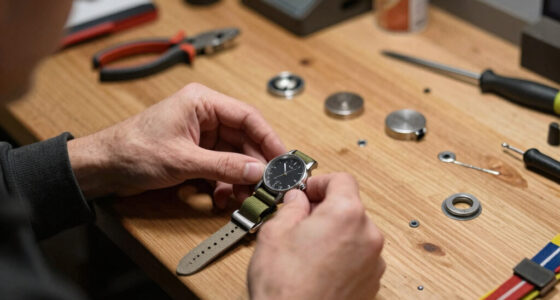
Place the watch on microfiber or a foam pad. Use a shallow parts tray so a released spring bar cannot disappear.
Support the watch with your non-tool hand while keeping fingers out of the tool’s possible slip path.
Engage the fork squarely with the bar shoulder. If it will not seat cleanly, stop and reassess the tip size.
Press inward toward the center of the strap. Avoid twisting, sharp prying, or levering against the lug edge.
Ease the strap free, control the spring bar, and replace it if bent, corroded, loose, or damaged.
Small innovations, better control
Modern refinements cannot replace careful technique, but they can improve grip, reduce hand fatigue, keep tiny components contained, and make correct positioning easier to learn.
Ergonomic Handles
Textured, wider grips improve stability and reduce fatigue during detailed work.
Magnetic Tips
Magnetic assistance helps retain compatible small components and limits dropped parts.
Spring-Loaded Designs
Controlled mechanisms can make compression more consistent and predictable.
Guided Learning
Digital tutorials and visual overlays clarify tool angle, hand position, and sequence.
The safe-work traceability chain
Each decision protects the next. Break the chain and the chance of a scratch, bent bar, lost component, or hand injury increases.
If you need to force it, stop. Recheck the tip, access point and spring-bar condition before continuing.
What Are Spring Bar Tools and Why Are They Essential?
Spring bar tools are specially designed for removing and installing small metal rods—spring bars—that hold your watch strap or bracelet in place. Think of them as the key to swapping straps without risking damage. Without the right tool, you might pry or force, leading to scratches, bent bars, or worse.
For example, a typical forked spring bar tool has a U-shaped tip that compresses the spring inside the bar, allowing it to slide out of the lugs. Using the wrong size or a stiff screwdriver can cause unnecessary damage or make the process more difficult. These tools are crafted for precision, ensuring you apply the right amount of force exactly where needed, minimizing risk. The importance of choosing the correct spring bar tool lies in its ability to prevent damage—both to your watch and to yourself—by offering control and reducing slips or slips that could cause injury. In essence, these tools act as a safeguard, making your strap changes safer, faster, and more reliable.
Popular right now

Breville Bambino Espresso Machine, Brushed Stainless Steel

Shark Navigator Robot Vacuum with Self-Empty Base, Dark Grey (RV2120AE)

De'Longhi Stilosa Compact Manual Espresso Machine with Milk Frother
As an affiliate, we earn on qualifying purchases.
How to Pick the Perfect Spring Bar Tool in 3 Simple Steps
- Match the size: Check your watch’s spring bars—most are between 18-24mm. Choosing a tool with fork tips that snugly fit prevents slipping and reduces the risk of scratching or bending. Proper sizing ensures you can exert enough leverage without forcing, which is crucial for delicate or vintage watches where the case material may be fragile.
- Pick the right type: Forked tools are ideal for quick, routine strap removals, providing leverage and speed. Pointed pusher tools excel when you need precision, such as inserting new bars or working in tight spaces. The choice impacts your control and reduces accidental slips, which can cause scratches or damage. Selecting the right tool for the task balances efficiency with safety, and using the wrong type might lead to unnecessary stress on the watch components or injury.
- Consider quality: Opt for stainless steel construction with ergonomic handles and durable tips. Cheap tools tend to wear out quickly, leading to loss of precision or breakage during use. Investing in quality ensures consistent performance, reduces the likelihood of slips, and minimizes the risk of damaging your watch. Well-made tools also provide better grip and comfort, which can prevent hand fatigue during extended use—an often overlooked safety factor.
Compare Common Spring Bar Tools — Which One Works Best For You?
| Feature | Forked Tool | Pointed Pusher | Multi-Function |
|---|---|---|---|
| Purpose | Removing straps quickly | Inserting or delicate work | Versatile, combo options |
| Ease of Use | High for quick swaps | Better for precision | Good for general tasks |
| Durability | High if stainless steel | Same as above | Depends on build quality |
Best Practices for Using Spring Bar Tools Without Damage
Using spring bar tools safely hinges on understanding and applying proper technique. The way you handle these small devices can significantly influence the outcome—whether you’re avoiding scratches, preventing bent components, or ensuring the longevity of your watch. Each step in the process involves tradeoffs and considerations that can affect safety and results.
- Work on a soft surface: Using a microfiber cloth or foam pad cushions accidental slips, protecting both your watch and the tool. Hard surfaces may seem faster, but they increase the risk of scratches or damage if the tool slips. While working on a soft surface might slow you down slightly, this tradeoff is worth it because it minimizes costly mistakes, making your work safer and more precise.
- Work slowly: Rushing can lead to applying excessive force, which risks bending or breaking the spring bar or damaging the case. Gentle, deliberate movements allow finer control, reducing the chance of slips. Though it might take a little longer, patience prevents costly errors and ensures a cleaner, more professional result.
- Use correct size tips: Oversized tips may slip or gouge the case, while undersized tips might not grip the spring bar securely. Matching the tool size to the spring bar is essential for controlled, even force application. This reduces accidental slips, especially on vintage or delicate watches where the case material is fragile and repairs are more costly if mishandled.
- Apply steady force: Avoid twisting or prying sharply, as sudden leverage can deform or break parts. Gentle, consistent pressure ensures control and minimizes stress on the components. This approach helps prevent accidental damage and reduces the risk of injury if the tool slips unexpectedly.
- Protect the watch: Keep your fingers and tools away from case edges to prevent scratches. Using a finger guard or soft cloth can help. Being mindful of your hand placement is crucial—especially when working on expensive or vintage watches—since even minor scratches can significantly impact the watch’s aesthetic and value. Good technique involves awareness and patience, which ultimately leads to safer, cleaner strap changes.
For example, when removing a metal bracelet, gently compress the spring bar with the forked tool, support the case with your other hand, then slide the bar out slowly and carefully. This controlled method ensures safety, maintains the integrity of your watch’s case and strap, and reduces the risk of accidental damage or injury.
Recent Innovations Making Spring Bar Work Safer & Easier
New spring bar tools aren’t just about sturdiness—they’re smarter. Many now feature ergonomic grips that reduce hand fatigue during prolonged use, which is especially important when working on multiple watches or performing frequent strap swaps. Magnetic tips help hold tiny parts steady, preventing accidental drops that can damage the watch or cause injury. Some tools incorporate spring-loaded or adjustable tips, allowing you to adapt to different spring bar sizes quickly, reducing guesswork and slips that can lead to damage or frustration.
For instance, a recent model might have a textured handle that provides slip resistance even when your hands are sweaty, or a built-in magnet that keeps the spring bar in place during insertion or removal. These innovations directly enhance safety by increasing control, reducing fatigue, and preventing accidental drops. They make DIY strap changes more accessible and less stressful, especially for those new to watch repair or working on delicate vintage pieces.
How to Maintain and Store Your Spring Bar Tools for Long Life
Proper care of your spring bar tools not only extends their lifespan but also maintains their safety and effectiveness. Regularly clean stainless steel tips with a soft cloth after each use to remove dirt, oils, and residues that can cause corrosion over time. Avoid dropping or banging your tools—damage to the tips can lead to slips, scratches, or breakage during critical moments. Store your tools in a dedicated case or drawer with foam inserts or compartments, which helps prevent misplacement, protects against moisture, and minimizes exposure to debris that can dull or damage the tips.
For example, keeping your tools in a small toolbox with padded sections prevents them from knocking into each other, reducing wear and tear. Periodically inspect the tips for bends, chips, or corrosion; replace any worn or damaged parts promptly. Well-maintained tools perform more smoothly, reducing the risk of accidents and ensuring your watch remains protected during repairs. Proper maintenance is a small investment that pays off in safety, precision, and the longevity of your tools—and your watch.
Frequently Asked Questions
Can I use household tools like screwdrivers for spring bar work?
While it’s possible, it’s not recommended. Household screwdrivers lack the precision and proper tips to safely handle tiny spring bars. Using the right spring bar tools minimizes damage and injury, making your work safer and more effective.
What if my spring bar is stuck or difficult to remove?
Apply gentle leverage, and ensure you’re using the correct size tool. If stubborn, warm the watch slightly (not hot) or use a small amount of lubricant like watch-specific oil. For persistent issues, consult a professional to avoid damage.
Are spring bars reusable after removal?
In most cases, yes—if they’re not bent, cracked, or overly worn. Inspect for deformation or corrosion. If questionable, replacing spring bars is a safer choice to prevent accidental release or damage.
How do I avoid scratching my watch during strap changes?
Use a soft cloth as a work surface, choose the correct tool size, and work slowly. Keep your fingers clear of edges and avoid applying excessive force. Patience and proper tools are your best defense against scratches.
Conclusion
Mastering spring bar tools isn’t just about technical skill — it’s about protecting your watch and your confidence. Use the right tools, work with patience, and keep safety front and center. Every swap becomes a quick, clean job, not a gamble.
Think of your watch as a small, valuable machine — treat it with care, and it’ll serve you well for years. Your next strap change should feel like a smooth, confident motion, not a stressful chore.