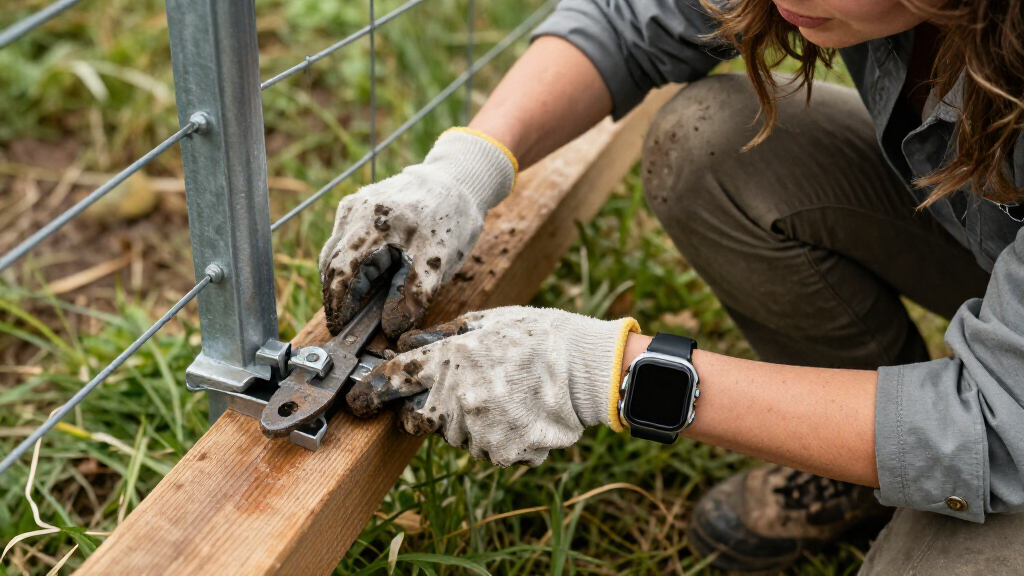

For rugged smartwatches for outdoor work, the Garmin Instinct 2X Solar Tactical is my best overall pick for its work-focused GPS and solar charging, while the Amazfit T-Rex 3 stands out for a bright AMOLED screen and the Garmin Instinct E for a simpler, more compact Garmin option. The main tradeoff is between dependable navigation and outdoor battery life on one side, and vivid screens, calling features, and lower-complexity everyday use on the other. A rugged label alone does not tell you whether a watch can handle your specific job, so I weigh controls, battery demands, visibility, and practical utility. Read on for the full comparison, buying advice, and recommendations by work style.

Get your wardrobe favorites delivered free with Prime
- Fast, free delivery on millions of items
- Prime Video, Amazon Music and more included
- Member-only deals all year
Key Takeaways
- Garmin’s Instinct models lead this lineup for work-oriented outdoor use: the Instinct 2X Solar Tactical prioritizes field features and solar charging, while the Instinct 3 Solar and Instinct E offer different size and feature balances.
- The Amazfit T-Rex 3 is the screen-first standout: its large AMOLED display favors clear, vivid viewing, while buyers should weigh that display style against the battery demands of bright-screen use.
- GPS and calling are not interchangeable: several military-styled options emphasize Bluetooth calling or everyday functions, but that does not make them equivalent to a navigation-focused outdoor watch.
- Large cases are a recurring tradeoff: the 50 mm Garmin Instinct 2X Solar Tactical may suit gloved field use better than compact options, but its size can feel cumbersome on smaller wrists or under tight cuffs.
- Feature lists vary more than rugged styling suggests: flashlight, compass, two-strap bundles, and large displays appear across several budget-oriented models, so match each function to a real task rather than choosing by military styling alone.
| CARBINOX Edge Military Smartwatch for Men |  | Best Overall for Jobsite Versatility | Display: 1.96-inch AMOLED, up to 1000 nits | GPS: Dual-frequency L1+L5; BeiDou, GLONASS, GPS, and Galileo | Water resistance: 5ATM and IP69K; listed depth 10 feet | VIEW LATEST PRICE | See Our Full Breakdown |
| Tiwain Military Smartwatch with Built-in GPS and 1.43-Inch AMOLED Display |  | Best for Navigation Tools on a Budget | Display: 1.43-inch AMOLED, 360 × 360 resolution | GPS: Built-in; GPS, GLONASS, BeiDou, Galileo, NAVIC, and QZSS | Outdoor sensors: Compass, altimeter, and barometer | VIEW LATEST PRICE | See Our Full Breakdown |
| Amazfit T-Rex 3 Smartwatch with 1.5-Inch AMOLED Display and GPS |  | Best for Extended Outdoor Shifts | Display: 1.5-inch AMOLED, up to 2,000 nits | GPS: Dual-band GPS with six satellite systems | Battery life: Up to 27 days typical use; up to 180 hours in GPS mode | VIEW LATEST PRICE | See Our Full Breakdown |
| Garmin Instinct 2X Solar Tactical GPS Smartwatch, 50 mm, Black |  | Best for Tactical Work and Solar Endurance | Case size and material: 50 mm; fiber-reinforced polymer | Water resistance: 10 ATM / 100 meters | Battery: Unlimited smartwatch mode with 3 hours of direct sunlight daily at 50,000 lux | VIEW LATEST PRICE | See Our Full Breakdown |
| IOWODO W60 Military Smartwatch with Bluetooth Calling, Flashlight, Compass, and 2 Straps |  | Best for Basic Workday Utility | Display: 2.01-inch HD TFT LCD | Battery: 900 mAh; up to 30 days normal use or 100 days standby | Connectivity: Bluetooth 5.3; Bluetooth calling and notifications | VIEW LATEST PRICE | See Our Full Breakdown |
| Military Smartwatch with Built-in GPS and Bluetooth Calling |  | Best for Budget-Friendly GPS Features | Display: 2.02-inch LCD touchscreen, 320 × 390 resolution | GPS: Built-in GPS with route mapping and waypoint return | Sports modes: Over 100 | VIEW LATEST PRICE | See Our Full Breakdown |
| Garmin Instinct 3 Solar Rugged GPS Smartwatch, 45 mm, Black |  | Best Overall for Remote Outdoor Work | Case size: 45 mm | Display: 0.9 inches | Battery life: Unlimited in smartwatch mode with solar charging under stated conditions | VIEW LATEST PRICE | See Our Full Breakdown |
| Rugged Military Smartwatch for Men with LED Flashlight and 1000 mAh Battery |  | Best for Long Claimed Runtime and a Large Screen | Display: 1.91-inch AMOLED, 360 × 360 resolution | Battery: 1,000 mAh; up to 30 days regular use and 100 days standby | Water resistance: 5 ATM and IP68 | VIEW LATEST PRICE | See Our Full Breakdown |
| Garmin Instinct E Rugged GPS Smartwatch, 45 mm, Charcoal |  | Best for Reliable GPS Without Solar Charging | Case size: 45 mm | Battery life: Up to 16 days | Water resistance: 10 ATM; 100 meters | VIEW LATEST PRICE | See Our Full Breakdown |
| Military Smartwatch for Men with Bluetooth Calling, 1.45-Inch AMOLED Display, Health Tracking, 114+ Sports Modes, Black |  | Best Compact AMOLED Pick for Phone-Carrying Crews | Display: 1.45-inch AMOLED, 360 × 360 resolution | Connectivity: Bluetooth 5.3 | GPS: Via smartphone | VIEW LATEST PRICE | See Our Full Breakdown |
| CARBINOX Blaze Rugged Smartwatch with GPS |  | Best for Tough, Feature-Rich Workdays | Display: AMOLED touchscreen with Gorilla Glass | Case: Alloy steel | Water resistance: IP69K; listed depth of 10 feet | VIEW LATEST PRICE | See Our Full Breakdown |
| Military Smart Watch for Men with Built-In GPS, 2.02-Inch Display |  | Best for Large-Screen Navigation | Display: 2.02-inch TFT LCD, 320 × 390 pixels | GPS: Built-in GPS; supports BeiDou and GLONASS | Outdoor tools: Compass, altimeter, barometer, waypoint return, and weather alerts | VIEW LATEST PRICE | See Our Full Breakdown |
| Blackview Military Smartwatch for Men with Calling, Flashlight, Compass, Health Monitoring, and Two Straps |  | Best for Long Battery Life | Display: 1.45-inch TFT HD | Battery: 960 mAh | Battery life: Over 30 days of daily use; over 100 days standby | VIEW LATEST PRICE | See Our Full Breakdown |
| KOSPET Pulse 2 Rugged GPS Smartwatch |  | Best for GPS and Water Resistance | Display: 1.96-inch AMOLED | GPS: Dual-band L1+L5; supports six satellite systems | Water resistance: 5 ATM and IP69; listed to 50 meters | VIEW LATEST PRICE | See Our Full Breakdown |
| Rugged 2.02-Inch Bluetooth Calling Fitness Smartwatch |  | Best for Phone-Connected Basics | Display: 2.02-inch LCD, 320 × 390 resolution | GPS: Via smartphone | Water resistance: Advertised as 50 meters | VIEW LATEST PRICE | See Our Full Breakdown |
| rugged smartwatches for outdoor work | Water resistance | Display | GPS | Compatibility |
|---|---|---|---|---|
| CARBINOX Edge Military Smartwa | 5ATM and IP69K; listed depth 10 feet | 1.96-inch AMOLED, up to 1000 nits | Dual-frequency L1+L5; BeiDou, GLONASS, GPS, and Galileo | — |
| Tiwain Military Smartwatch wit | IP68; listed depth 1.5 meters | 1.43-inch AMOLED, 360 × 360 resolution | Built-in; GPS, GLONASS, BeiDou, Galileo, NAVIC, and QZSS | iOS 8.0+ and Android 4.4+ |
| Amazfit T-Rex 3 Smartwatch wit | 100 meters (328 feet) | 1.5-inch AMOLED, up to 2,000 nits | Dual-band GPS with six satellite systems | — |
| Garmin Instinct 2X Solar Tacti | 10 ATM / 100 meters | — | — | Android and iOS |
| IOWODO W60 Military Smartwatch | IP68 | 2.01-inch HD TFT LCD | Via smartphone | Android 6.0 or later; iOS 9.0 or later |
| Military Smartwatch with Built | 2 ATM; also listed as 20 meters | 2.02-inch LCD touchscreen, 320 × 390 resolution | Built-in GPS with route mapping and waypoint return | iOS 9.0+ and Android 9.0+ |
| Garmin Instinct 3 Solar Rugged | 10 ATM; 100 meters | 0.9 inches | — | — |
| Rugged Military Smartwatch for | 5 ATM and IP68 | 1.91-inch AMOLED, 360 × 360 resolution | Via smartphone | Android 5.1+ and iOS 9.0+ |
| Garmin Instinct E Rugged GPS S | 10 ATM; 100 meters | — | — | Android and iOS devices |
| Military Smartwatch for Men wi | IP68 stated in title; product details say water resistant | 1.45-inch AMOLED, 360 × 360 resolution | Via smartphone | Android 6.0+ and iOS 9.0+ |
| CARBINOX Blaze Rugged Smartwat | IP69K; listed depth of 10 feet | AMOLED touchscreen with Gorilla Glass | Built-in dual GPS | Android and iOS |
| Military Smart Watch for Men w | 2 ATM splash-proof | 2.02-inch TFT LCD, 320 × 390 pixels | Built-in GPS; supports BeiDou and GLONASS | iOS 9.0+ and Android 5.0+ |
| Blackview Military Smartwatch | IP68; not suitable for swimming or diving | 1.45-inch TFT HD | Smartphone GPS via Da Fit app | Android 6.0+ and iOS 9.0+ |
| KOSPET Pulse 2 Rugged GPS Smar | 5 ATM and IP69; listed to 50 meters | 1.96-inch AMOLED | Dual-band L1+L5; supports six satellite systems | Android 7.0+ and iOS 14.0+ |
| Rugged 2.02-Inch Bluetooth Cal | Advertised as 50 meters | 2.02-inch LCD, 320 × 390 resolution | Via smartphone | — |
More Details on Our Top Picks
CARBINOX Edge Military Smartwatch for Men
The CARBINOX Edge is my most balanced pick for outdoor work where a watch needs to handle wet, rough conditions without giving up everyday smart features. Its stainless steel bezel, Gorilla Glass, MIL-STD-810H testing, and 5ATM/IP69K protection offer a sturdier protection package than the Tiwain’s IP68 rating. The Edge also has phone-free dual-frequency GPS, useful when a work route or outdoor task takes you away from your phone, plus Bluetooth calling for staying reachable during routine jobs.
The 1.96-inch AMOLED display is larger than the Tiwain’s, while the stated 25-day battery figure applies only to basic watch mode, not every feature running at once. I’d choose the Amazfit T-Rex 3 for its 100-meter water rating and longer stated typical-use battery life, but the Edge combines rugged construction, navigation, and calling in a more work-oriented all-rounder. Its tradeoff is that its battery claim needs context, and its display and feature set may be more than a basic shift watch requires.
Pros:- MIL-STD-810H testing, Gorilla Glass, stainless steel bezel, and 5ATM/IP69K protection suit demanding outdoor conditions.
- Dual-frequency GPS works without relying on a connected phone.
- Bright 1.96-inch AMOLED display and Bluetooth calling support quick checks and communication on the job.
- Health tracking and 160 sports modes cover activity beyond work shifts.
Cons:- The up-to-25-day battery figure applies to basic watch mode, so GPS and frequent smart features can reduce runtime.
- The large display may be cumbersome under tight sleeves or protective gear.
- The supplied data does not state a continuous GPS battery runtime.
Best for: Outdoor workers who want built-in GPS, Bluetooth calling, a large bright display, and strong water and impact protection in one watch.
Not ideal for: Workers who need a clearly stated long GPS-runtime figure or want a smaller, lighter watch; the Edge’s 25-day claim is for basic mode, and its 1.96-inch display is substantial.
- Display:1.96-inch AMOLED, up to 1000 nits
- GPS:Dual-frequency L1+L5; BeiDou, GLONASS, GPS, and Galileo
- Water resistance:5ATM and IP69K; listed depth 10 feet
- Battery life:Up to 25 days in basic watch mode
- Build:Stainless steel case; Gorilla Glass; MIL-STD-810H testing
- Health metrics:Heart rate, blood oxygen (SpO2), sleep, steps, and stress
- Sports modes:160
- Connectivity and compatibility:Bluetooth calling and notifications; Android and iOS
Our verdict“Choose the CARBINOX Edge if you want a rugged work watch with phone-free GPS and calling, and can accept that its longest battery claim is for basic mode.”
Tiwain Military Smartwatch with Built-in GPS and 1.43-Inch AMOLED Display
The Tiwain’s appeal is its built-in GPS and outdoor sensor mix: compass, altimeter, and barometer add practical route and elevation context for workers who move between sites or spend the day outside. Its satellite support spans six systems, and the smaller 1.43-inch AMOLED display is less dominant on the wrist than the CARBINOX Edge’s 1.96-inch screen. A built-in LED flashlight adds a useful backup for dim work areas.
Compared with the Amazfit T-Rex 3, the Tiwain offers a similar breadth of satellite systems but has a shorter stated battery life and less demanding water protection: IP68 rather than 100 meters. Typical use is listed at 7–10 days, while continuous GPS use is about three days. That makes it a reasonable fit for regular workweeks, not extended GPS-heavy trips. Its receive-only notifications also mean it cannot match the Edge’s Bluetooth calling for handling calls from the wrist.
Pros:- Built-in GPS supports six satellite systems, including GPS, GLONASS, BeiDou, Galileo, NAVIC, and QZSS.
- Compass, altimeter, and barometer provide useful outdoor reference tools.
- Smaller 1.43-inch AMOLED display is less bulky than the CARBINOX Edge’s screen.
- Built-in LED flashlight and more than 170 sport modes add practical utility.
Cons:- IP68 protection is not presented as suitable for seawater or sauna exposure.
- Continuous GPS runtime is about three days, shorter than the Amazfit T-Rex 3’s stated 180 hours in GPS mode.
- Notifications are receive-only, with no Bluetooth calling listed.
Best for: Outdoor workers who want built-in multi-system GPS, a compass and altitude/weather sensors, plus a relatively compact AMOLED watch for day-to-day site use.
Not ideal for: Workers regularly exposed to seawater, sauna conditions, or prolonged submersion, and those who need wrist-based calling or several days of continuous GPS use.
- Display:1.43-inch AMOLED, 360 × 360 resolution
- GPS:Built-in; GPS, GLONASS, BeiDou, Galileo, NAVIC, and QZSS
- Outdoor sensors:Compass, altimeter, and barometer
- Battery:530 mAh; 7–10 days typical use, up to 30 days standby, about 3 days GPS use
- Water resistance:IP68; listed depth 1.5 meters
- Sport modes:More than 170
- Health metrics:Heart rate, blood oxygen (SpO2), sleep, distance, and step count
- Compatibility:iOS 8.0+ and Android 4.4+
Our verdict“Pick the Tiwain if navigation sensors and a smaller AMOLED screen matter more than wrist calling or higher water resistance.”
Amazfit T-Rex 3 Smartwatch with 1.5-Inch AMOLED Display and GPS
For work that stretches into long days outdoors, the Amazfit T-Rex 3 stands out for pairing a clear, high-output screen with unusually long stated runtimes: up to 27 days in typical use and 180 hours in GPS mode. Its 1.5-inch AMOLED display reaches up to 2,000 nits, which can make information easier to read in bright conditions than on the Tiwain’s smaller display. Dual-band GPS, six satellite systems, and maps support also give it a stronger navigation case than the IOWODO W60, whose GPS depends on a connected phone.
The T-Rex 3 is rated to 100 meters of water resistance, a much clearer fit for wet, demanding outdoor work than the Tiwain’s IP68 rating. The tradeoff is size: its 48 mm case may crowd smaller wrists or catch on cuffs and gloves. I’d favor the CARBINOX Edge if Bluetooth calling and a stainless steel bezel matter more, but the Amazfit is better suited to long, navigation-heavy days. Some health and communication features may depend on phone or software compatibility.
Pros:- Up to 27 days of typical-use battery life and up to 180 hours in GPS mode support long outdoor stretches.
- Bright 1.5-inch AMOLED display reaches up to 2,000 nits for outdoor visibility.
- Dual-band GPS, six satellite systems, and maps support outdoor navigation.
- 100-meter water resistance is stronger than the IP68 rating listed for the Tiwain.
Cons:- The 48 mm case may feel large on smaller wrists or snag under work clothing.
- Some health and communication functions may depend on phone or software compatibility.
- Bluetooth calling is not listed, unlike on the CARBINOX Edge and IOWODO W60.
Best for: Outdoor crews and field workers who need long battery life, readable mapping and GPS tools, and high water resistance for extended days away from charging.
Not ideal for: Workers with smaller wrists or tight-fitting cuffs, and buyers who prioritize Bluetooth calling or a compact case over navigation endurance.
- Display:1.5-inch AMOLED, up to 2,000 nits
- GPS:Dual-band GPS with six satellite systems
- Battery life:Up to 27 days typical use; up to 180 hours in GPS mode
- Water resistance:100 meters (328 feet)
- Workout modes:More than 170
- Navigation:Maps support and outdoor navigation features
- Temperature range:-22°F to 158°F
- Weight:2.4 ounces
Our verdict“Choose the Amazfit T-Rex 3 for long, GPS-heavy outdoor shifts if its large case is comfortable and wrist calling is not a priority.”
Garmin Instinct 2X Solar Tactical GPS Smartwatch, 50 mm, Black
The Garmin Instinct 2X Solar Tactical is the most specialized work tool in this group. Its multi-band, multi-GNSS navigation, waypoint projection, stealth mode, and night-vision-goggle compatibility are aimed at field users who need more than basic activity tracking. The built-in LED flashlight is another practical advantage for night work or checking equipment in poor light. Compared with the Amazfit T-Rex 3, this Garmin has a less prominent AMOLED-style display specification but brings a more explicitly tactical feature set and solar charging.
Its headline battery claim—unlimited smartwatch mode—depends on at least three hours of direct sunlight daily at 50,000 lux. That condition suits sun-exposed outdoor shifts, not indoor crews or workers under cover all day. The 50 mm case is also larger than the 45 mm Garmin Instinct models elsewhere in the roundup and may feel cumbersome. I’d select the CARBINOX Edge for a brighter AMOLED screen and wrist calls; this Garmin makes more sense when navigation tools, rugged construction, and solar support take precedence.
Pros:- Multi-band and multi-GNSS positioning supports demanding outdoor navigation.
- Tactical tools include waypoint projection, stealth mode, and night-vision-goggle compatibility.
- Built-in LED flashlight can help with night shifts and equipment checks.
- 100-meter water resistance and solar charging suit exposed outdoor work.
Cons:- Unlimited smartwatch-mode battery life depends on at least three hours of direct sunlight daily at 50,000 lux.
- The 50 mm case is larger than the 45 mm Garmin Instinct models listed in the roundup.
- Health metrics are estimates, not medical readings.
Best for: Field technicians, land managers, and outdoor crews who need tactical navigation features, a flashlight, and solar-assisted endurance during regular sun exposure.
Not ideal for: Indoor workers, people who spend most shifts under cover, and buyers who prefer a smaller case or an AMOLED display; the solar battery claim depends on strong daily sunlight.
- Case size and material:50 mm; fiber-reinforced polymer
- Water resistance:10 ATM / 100 meters
- Battery:Unlimited smartwatch mode with 3 hours of direct sunlight daily at 50,000 lux
- Navigation:GPS, multi-band reception, and multi-GNSS
- Tactical features:Night-vision-goggle compatibility, waypoint projection, and stealth mode
- Lighting:Built-in LED flashlight
- Connectivity:Bluetooth and USB
- Compatibility:Android and iOS
Our verdict“Choose the Garmin Instinct 2X Solar Tactical if your outdoor work benefits from tactical navigation and you can regularly expose the watch to strong sunlight.”
IOWODO W60 Military Smartwatch with Bluetooth Calling, Flashlight, Compass, and 2 Straps
The IOWODO W60 focuses on straightforward workday conveniences: Bluetooth calling, a flashlight, a compass, and two included straps. Its large 2.01-inch TFT LCD is easy to glance at, although it is a different kind of display from the AMOLED panels on the CARBINOX Edge and Tiwain. The stated battery capacity is a substantial 900 mAh, with up to 30 days of normal use claimed, but actual runtime depends on usage. That figure is not directly comparable to the Amazfit T-Rex 3’s stated GPS runtime because the W60’s GPS is phone-dependent.
That GPS limitation is the main dividing line: the W60 can suit workers who keep a phone with them, but it cannot provide independent route tracking like the CARBINOX Edge or Tiwain. IP68 protection also makes it less compelling than the Edge’s 5ATM/IP69K package for frequent water exposure. For basic calls and quick-access tools, it offers a broad feature mix; for reliable phone-free navigation or tougher water conditions, I’d choose another model here.
Pros:- Bluetooth calling and notifications help keep routine communication accessible from the wrist.
- Built-in flashlight and compass provide practical quick-access tools.
- 900 mAh battery is rated for up to 30 days of normal use or 100 days on standby.
- Includes silicone and nylon straps for different work conditions.
Cons:- GPS requires a connected smartphone, unlike the built-in GPS on the Tiwain and CARBINOX Edge.
- IP68 water resistance is a less robust stated package than the CARBINOX Edge’s 5ATM/IP69K protection.
- The 2.01-inch TFT LCD is large but lacks the specified AMOLED brightness of the Edge and Tiwain.
Best for: Workers who carry an Android phone or iPhone on shift and want wrist calls, a flashlight, compass, and simple activity tracking in one watch.
Not ideal for: Field workers who leave their phone behind, need independent GPS, or work around frequent water exposure where stronger stated protection is preferable.
- Display:2.01-inch HD TFT LCD
- Battery:900 mAh; up to 30 days normal use or 100 days standby
- Connectivity:Bluetooth 5.3; Bluetooth calling and notifications
- GPS:Via smartphone
- Water resistance:IP68
- Sports modes:More than 100
- Outdoor features:LED flashlight and compass
- Compatibility:Android 6.0 or later; iOS 9.0 or later
Our verdict“Pick the IOWODO W60 if you keep your phone with you and want basic calling and outdoor tools, but skip it if independent GPS is a work requirement.”
Military Smartwatch with Built-in GPS and Bluetooth Calling
This watch stands out among the less specialized outdoor-work options for including built-in GPS and route mapping, so you can record routes without keeping your phone connected for positioning. Its waypoint-return feature may also help when retracing a route, while the 2.02-inch screen gives maps and workout information more room than the compact display on the Garmin Instinct E. Bluetooth calls, notifications, and health tracking add everyday utility, but the listed 2 ATM and 20-meter water resistance claims are unclear alongside each other. Unlike the Garmin Instinct 3 Solar, it has no stated thermal or shock-resistance rating, and the description provides no independent GPS or sensor accuracy information. I’d choose it for basic navigation features, not for a job where verified durability and dependable mapping are the priority.
Pros:- Built-in GPS supports route mapping without phone-based positioning
- Waypoint-return feature adds a route-retracing tool
- Large 2.02-inch touchscreen is easy to read at a glance
- Bluetooth calls and health tracking broaden everyday use
Cons:- Water-resistance claims conflict between 2 ATM and a stated depth of 20 meters
- No independent GPS or health-sensor accuracy information is provided
- No stated military-grade thermal or shock-resistance certification
Best for: Outdoor workers who want built-in route tracking and a large screen for casual hikes, site walks, or fitness sessions.
Not ideal for: Workers exposed to frequent impacts, harsh temperatures, or water who need clearly specified durability and navigation performance.
- Display:2.02-inch LCD touchscreen, 320 × 390 resolution
- GPS:Built-in GPS with route mapping and waypoint return
- Sports modes:Over 100
- Water resistance:2 ATM; also listed as 20 meters
- Battery:450 mAh
- Connectivity:Bluetooth 5.4
- Compatibility:iOS 9.0+ and Android 9.0+
Our verdict“Choose it for a large-screen watch with built-in GPS features, but pick the Garmin Instinct E if verified ruggedness matters more.”
Garmin Instinct 3 Solar Rugged GPS Smartwatch, 45 mm, Black
For workers who need a watch built around outdoor navigation and resilience, the Garmin Instinct 3 Solar is the strongest fit in this group. Multi-band GPS, GLONASS, Galileo, a compass, and a barometric altimeter provide more navigation support than the phone-dependent GPS in the 1000 mAh Rugged Military Smartwatch. Its 10 ATM water resistance and stated MIL-STD-810 thermal and shock resistance also make its durability claims clearer than those of the generic military-style models. Solar charging can extend smartwatch runtime substantially, though the stated unlimited use depends on specific light exposure, not every workday or environment. The small 0.9-inch display is less suited to reading detailed information at a glance, and some smart or safety features depend on a compatible phone and network coverage. This is the pick for rugged function over a big, bright screen.
Pros:- Multi-band GPS and multiple satellite systems support navigation in challenging settings
- 10 ATM rating and stated thermal and shock resistance suit demanding outdoor work
- Solar charging can extend battery life under the stated light conditions
- Built-in LED flashlight offers practical low-light utility
Cons:- Small 0.9-inch display is less convenient for reading detailed information
- Unlimited smartwatch battery life depends on sufficient solar exposure
- Some smart and safety features require a compatible phone or network coverage
Best for: Field crews, trail workers, and outdoor professionals who need multi-band navigation, a rugged build, and solar-assisted battery life.
Not ideal for: Buyers who prioritize a large touchscreen, or who work mostly indoors and cannot rely on the light exposure required for solar charging.
- Case size:45 mm
- Display:0.9 inches
- Battery life:Unlimited in smartwatch mode with solar charging under stated conditions
- Water resistance:10 ATM; 100 meters
- Durability:MIL-STD-810 thermal and shock resistance
- Navigation:Multi-band GPS, GLONASS, Galileo, 3-axis compass, and barometric altimeter
- Sensors:Heart rate and Pulse Ox
- Case material:Fiber-reinforced polymer
Our verdict“Pick the Instinct 3 Solar for rugged, phone-independent navigation and solar assistance, provided its small display suits your work.”
Rugged Military Smartwatch for Men with LED Flashlight and 1000 mAh Battery
The standout here is a 1,000 mAh battery paired with a claimed runtime of up to 30 days in regular use, plus a large 1.91-inch AMOLED screen. That combination suits workers who want a readable display and fewer charging interruptions, rather than the Garmin Instinct E’s compact screen and specified GPS navigation. The built-in LED flashlight, SOS dialing, and 5 ATM/IP68 claims give it a practical feature set for general outdoor use, but its GPS comes from a connected smartphone. That limits its usefulness when a phone is unavailable or left behind. Its advertised battery life and water protection are product claims without performance details in the supplied information, so I would not treat them as equivalent to the Garmin Instinct 3 Solar’s stated ruggedness standards. This is better for phone-connected work and everyday fitness than demanding independent navigation.
Pros:- Large 1.91-inch AMOLED touchscreen provides ample viewing space
- 1,000 mAh battery has a claimed runtime of up to 30 days in regular use
- Built-in LED flashlight and SOS dialing add practical tools
- Tracks health metrics and more than 100 sports modes
Cons:- GPS depends on a connected smartphone
- Battery runtime is a stated claim rather than a guaranteed outcome
- Water-resistance and health-monitoring claims come with no supplied performance detail
Best for: Outdoor workers who want a large AMOLED screen, flashlight, and long claimed runtime while carrying a compatible phone.
Not ideal for: People who need GPS navigation without a phone or prefer durability specifications backed by stated thermal and shock-resistance standards.
- Display:1.91-inch AMOLED, 360 × 360 resolution
- Battery:1,000 mAh; up to 30 days regular use and 100 days standby
- Water resistance:5 ATM and IP68
- Sports modes:110+
- GPS:Via smartphone
- Health monitoring:Heart rate, sleep, and SpO2
- Connectivity:Bluetooth calls and notifications
- Compatibility:Android 5.1+ and iOS 9.0+
Our verdict“Choose this for a large display and long claimed battery life if your phone can provide GPS; choose the Garmin Instinct E for independent navigation.”
Garmin Instinct E Rugged GPS Smartwatch, 45 mm, Charcoal
The Garmin Instinct E offers a more straightforward rugged-work choice than the solar-powered Instinct 3 Solar: it has built-in GPS and multi-GNSS navigation, but does not make solar charging part of its battery proposition. Its stated up to 16 days of battery life and 10 ATM water resistance suit long stretches outdoors, while the fiber-reinforced polymer case and MIL-STD-810 thermal and shock resistance give buyers clearer durability information than the generic 2.02-inch Military Smartwatch. The tradeoff is a feature set centered on core navigation and tracking rather than extras such as the Instinct 3 Solar’s flashlight and solar charging. Garmin notes that Pulse Ox availability varies by country and that health metrics are estimates, not medical measurements. I’d choose it when dependable GPS and stated ruggedness matter more than a larger display or solar features.
Pros:- Built-in GPS and multi-GNSS navigation support outdoor route tracking
- Up to 16 days of stated battery life
- 10 ATM water resistance and stated thermal and shock resistance
- Compass and barometric altimeter add navigation context
Cons:- No solar charging feature like the Garmin Instinct 3 Solar
- Pulse Ox is not available in all countries
- Health metrics are estimates and the watch is not a medical device
Best for: Outdoor workers who want built-in multi-GNSS navigation, a rugged case, and a stated battery life without relying on solar charging.
Not ideal for: Buyers who want a large touchscreen, solar-assisted runtime, or medical-grade health readings.
- Case size:45 mm
- Battery life:Up to 16 days
- Water resistance:10 ATM; 100 meters
- Durability:MIL-STD-810 thermal and shock resistance
- Case material:Fiber-reinforced polymer
- Navigation:Built-in GPS, multi-GNSS, 3-axis compass, and barometric altimeter
- Storage:128 MB
- Compatibility:Android and iOS devices
Our verdict“Choose the Instinct E for core Garmin navigation and ruggedness without solar charging; choose the Instinct 3 Solar for its flashlight and solar assistance.”
Military Smartwatch for Men with Bluetooth Calling, 1.45-Inch AMOLED Display, Health Tracking, 114+ Sports Modes, Black
With a 1.45-inch AMOLED display, Bluetooth calling, and more than 114 sports modes, this is the more compact everyday option beside the larger-screen 1000 mAh Rugged Military Smartwatch. Calls, notifications, and voice assistant support can be useful when a phone is nearby, while the aluminum-alloy case gives it a different feel from the fiber-reinforced polymer Garmin Instinct E. The main limitation for outdoor work is GPS via smartphone: it cannot independently log or guide routes when you leave your phone behind. Battery life is stated as up to seven days of regular use, considerably shorter than the other generic military-style watch’s claimed 30 days. The listing says IP68 in the title and describes the watch as water resistant, but supplies no more detailed work-durability rating. I’d treat it as a phone companion, not a dedicated navigation tool.
Pros:- Compact 1.45-inch AMOLED display with 360 × 360 resolution
- Bluetooth calling, notifications, and voice assistant features
- Tracks heart rate, blood oxygen, sleep, and over 114 sports modes
- Aluminum-alloy case material
Cons:- GPS requires a connected smartphone
- Regular-use battery life is stated as up to seven days
- Water-resistance details are limited beyond the IP68 title claim
Best for: Workers who keep a compatible phone on hand and want a compact AMOLED watch for calls, notifications, and workout tracking.
Not ideal for: Remote crews who need built-in GPS, longer intervals between charges, or clearly specified durability for harsh conditions.
- Display:1.45-inch AMOLED, 360 × 360 resolution
- Connectivity:Bluetooth 5.3
- GPS:Via smartphone
- Health tracking:Heart rate, blood oxygen, and sleep
- Sports modes:114+
- Water resistance:IP68 stated in title; product details say water resistant
- Battery life:Up to 7 days regular use; up to 30 days standby
- Compatibility:Android 6.0+ and iOS 9.0+
Our verdict“Pick this as a compact phone-connected smartwatch for calls and fitness, not as a standalone GPS tool for remote work.”
CARBINOX Blaze Rugged Smartwatch with GPS
The CARBINOX Blaze balances rugged construction with tools that can help on changing outdoor jobs. Its alloy steel case, Gorilla Glass, and IP69K rating suit rough handling, while built-in dual GPS, a compass, and an altimeter add useful location and elevation context without relying on a phone for GPS. Compared with the Blackview Military Smartwatch, the Blaze is the stronger choice for independent route tracking; Blackview’s GPS depends on a connected smartphone, though its stated battery life is much longer.
The tradeoff is that the Blaze’s water-resistance listing specifies a depth of 10 feet, so I would not treat it as a deep-water watch. Bluetooth calls and notifications also need a compatible phone connection. Its AMOLED screen and 170-plus sports modes round out a versatile work-and-activity pick, but buyers wanting a confirmed longer runtime may prefer the Blackview.
Pros:- Built-in dual GPS works without relying on a phone for location tracking
- Gorilla Glass and alloy steel case support a rugged-work setup
- Compass, altimeter, and barometer provide useful outdoor reference tools
- Bluetooth calling, notifications, and 170-plus sports modes add everyday versatility
Cons:- Listed water-resistance depth is 10 feet, limiting confidence for deeper-water use
- Calls and notifications require a compatible smartphone connection
- Battery runtime is not specified in the supplied product details
Best for: Outdoor workers who want built-in GPS, navigation sensors, and a rugged screen-and-case combination for varied job sites.
Not ideal for: Workers who need long stretches away from charging or phone-connected calling, or who need a watch rated for deep-water use.
- Display:AMOLED touchscreen with Gorilla Glass
- Case:Alloy steel
- Water resistance:IP69K; listed depth of 10 feet
- GPS:Built-in dual GPS
- Outdoor sensors:Compass, altimeter, and barometer
- Sports modes:More than 170
- Battery capacity:480 mAh
- Compatibility:Android and iOS
Our verdict“Choose the CARBINOX Blaze if built-in GPS and rugged materials matter more to your workday than a stated long battery runtime.”
Military Smart Watch for Men with Built-In GPS, 2.02-Inch Display
The large 2.02-inch display gives this watch a practical advantage for workers who want to glance at outdoor tools and notifications without squinting. It pairs built-in GPS with BeiDou and GLONASS support, plus a compass, altimeter, barometer, waypoint return, and weather alerts. Against the CARBINOX Blaze, it offers a broader stated set of route and weather tools, while the Blaze has an AMOLED display and a tougher-sounding glass-and-case specification.
Its stated 7–10 days of use may suit a workweek better than frequent charging, but the 2 ATM splash-proof rating is a real limit: this is not the pick for swimming or water-heavy jobs. The TFT LCD also differs from the Blaze’s AMOLED screen. I’d choose it for visibility and navigation features, not for immersion or medical-grade health readings.
Pros:- Large 2.02-inch screen gives outdoor tools and alerts more viewing space
- Built-in GPS supports BeiDou and GLONASS
- Compass, altimeter, barometer, waypoint return, and weather alerts expand navigation utility
- Stated battery life is up to 7–10 days of use
Cons:- 2 ATM splash-proof rating is limited for swimming or immersion
- TFT LCD is less premium in type than the AMOLED screen on the CARBINOX Blaze
- Health measurements are for fitness reference, not medical use
Best for: Outdoor crews who want a large screen, built-in satellite navigation, and waypoint and weather tools for land-based work.
Not ideal for: Workers who swim, regularly handle submerged equipment, or want an AMOLED display and a higher stated water-resistance rating.
- Display:2.02-inch TFT LCD, 320 × 390 pixels
- GPS:Built-in GPS; supports BeiDou and GLONASS
- Outdoor tools:Compass, altimeter, barometer, waypoint return, and weather alerts
- Battery:450 mAh; up to 7–10 days of use and up to 30 days standby
- Water resistance:2 ATM splash-proof
- Bluetooth:Bluetooth 5.4
- Sports modes:More than 100
- Compatibility:iOS 9.0+ and Android 5.0+
Our verdict“Pick this model for a large, tool-focused screen and built-in navigation on land, but skip it for water-intensive work.”
Blackview Military Smartwatch for Men with Calling, Flashlight, Compass, Health Monitoring, and Two Straps
The Blackview Military Smartwatch stands apart for its stated runtime: over 30 days of daily use and more than 100 days on standby from a 960 mAh battery. That makes it appealing for long shifts or remote jobs where charging access is inconvenient. It also brings a built-in flashlight and compass, Bluetooth calling, and two straps, including nylon. By comparison, the KOSPET Pulse 2 has built-in dual-band GPS and stronger specified water resistance, but its typical-use runtime is up to 15 days rather than Blackview’s longer claim.
The main compromise is location tracking: GPS comes through a connected smartphone and the Da Fit app, unlike the standalone GPS on the KOSPET or CARBINOX Blaze. Its IP68 rating is described as unsuitable for swimming or diving, so I would keep it to everyday exposure rather than water-heavy work. This is a battery-first utility watch, not a phone-free navigation pick.
Pros:- Stated daily-use battery life exceeds 30 days
- Built-in flashlight and compass add practical job-site tools
- Includes silicone and nylon straps
- Bluetooth calling and notifications support connected-phone communication
Cons:- GPS relies on a connected smartphone and the Da Fit app
- Not suitable for swimming or diving
- Health readings are for reference and are not medical diagnostics
Best for: Remote-site workers and long-shift crews who value infrequent charging, a flashlight, and a simple compass over standalone GPS.
Not ideal for: Workers who need phone-free route tracking or a watch suitable for swimming, diving, or other sustained water exposure.
- Display:1.45-inch TFT HD
- Battery:960 mAh
- Battery life:Over 30 days of daily use; over 100 days standby
- GPS:Smartphone GPS via Da Fit app
- Water resistance:IP68; not suitable for swimming or diving
- Sports modes:More than 100
- Included straps:Silicone and nylon
- Compatibility:Android 6.0+ and iOS 9.0+
Our verdict“Choose Blackview when charging gaps are the main concern, and favor the KOSPET Pulse 2 if independent GPS and water resistance matter more.”
KOSPET Pulse 2 Rugged GPS Smartwatch
For outdoor work where both route tracking and water exposure matter, the KOSPET Pulse 2 has the most balanced set of specified safeguards in this group. Its dual-band L1+L5 GPS supports six satellite systems, while 5 ATM and IP69 ratings give it a stronger water-resistance case than the 2 ATM military watch. The built-in flashlight, compass, walkie-talkie, and calling add useful variety; compared with the Blackview Military Smartwatch, the KOSPET gives up Blackview’s much longer stated battery life in exchange for independent GPS and better-specified water protection.
Typical-use battery life is up to 15 days, but that falls to five days with Always-On Display, so screen settings matter for multi-day jobs. Bluetooth is also required for calling and walkie-talkie features. Its zinc alloy case and silicone band make it a capable all-round work pick, though buyers who prioritize charging intervals above all else may prefer Blackview.
Pros:- Dual-band GPS supports six satellite systems
- 5 ATM and IP69 water-resistance ratings suit more demanding exposure than 2 ATM models
- Includes a flashlight, compass, and walkie-talkie
- Up to 15 days of typical-use battery life
Cons:- Always-On Display use cuts stated battery life to five days
- Calling and walkie-talkie features require Bluetooth connectivity
- Blackview’s stated battery runtime is substantially longer
Best for: Outdoor workers who need built-in dual-band GPS, stronger water-resistance specifications, and several on-watch work tools.
Not ideal for: Workers who need month-long battery intervals or expect calling and walkie-talkie functions to work without a paired phone.
- Display:1.96-inch AMOLED
- GPS:Dual-band L1+L5; supports six satellite systems
- Water resistance:5 ATM and IP69; listed to 50 meters
- Battery life:Up to 15 days typical use; 11 days heavy use; 5 days with Always-On Display
- Sports modes:More than 170
- Outdoor tools:Flashlight, compass, and walkie-talkie
- Compatibility:Android 7.0+ and iOS 14.0+
- Operating system:APEXMOVE OS
Our verdict“Choose the KOSPET Pulse 2 for independent GPS and stronger water protection, unless long intervals between charges are your main priority.”
Rugged 2.02-Inch Bluetooth Calling Fitness Smartwatch
This 2.02-inch Bluetooth calling watch makes the most sense for workers who want a large screen, call and message alerts, and basic activity tracking without needing built-in route navigation. Its 100-plus sport modes and stated 50-meter water resistance look broad on paper, but GPS requires a smartphone, unlike the CARBINOX Blaze and KOSPET Pulse 2. That distinction matters when a worker wants to track a route while leaving a phone behind.
It has a 450 mAh battery rated for up to seven days and a 61.7 g weight, which may feel more substantial on the wrist than a lighter everyday tracker. The product’s health readings, including blood pressure, are for reference only. Compared with the large-screen military model in this group, it offers a similar screen size and a stronger stated water-resistance figure, but the supplied data lists fewer outdoor navigation tools.
Pros:- Large 2.02-inch touchscreen offers ample room for calls and notifications
- Bluetooth calling and message alerts support connected-phone use
- More than 100 sport modes cover varied activity tracking
- Advertised with 50-meter water resistance
Cons:- GPS requires a connected smartphone, unlike the CARBINOX Blaze and KOSPET Pulse 2
- Battery life is listed at up to seven days
- Health readings are for reference and not a substitute for medical equipment
Best for: Workers who keep a smartphone nearby and want a large display for calls, notifications, and general activity tracking.
Not ideal for: Phone-free route tracking, workers who need dedicated outdoor navigation sensors, or anyone relying on smartwatch health readings for medical decisions.
- Display:2.02-inch LCD, 320 × 390 resolution
- GPS:Via smartphone
- Water resistance:Advertised as 50 meters
- Battery:450 mAh; up to 7 days
- Sport modes:More than 100
- Connectivity:Bluetooth calling and notifications
- Case and band:Aluminum case; silicone band
- Weight:61.7 g
Our verdict“Pick this watch for a large-screen, phone-connected work companion, but choose a built-in GPS model if you need independent route tracking.”
How We Picked
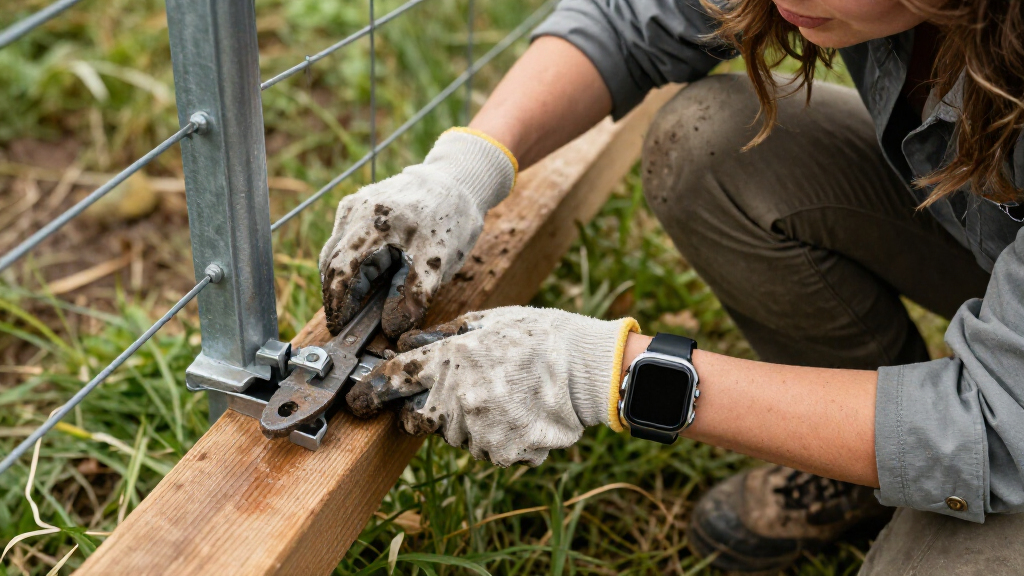
I ranked these rugged smartwatches for outdoor work by how well their described features support work beyond casual fitness: GPS usefulness, readable displays, controls that make sense outdoors, battery approach, and practical functions such as a compass or flashlight. I also weighed case size and the difference between a navigation-centered watch and a Bluetooth-calling model, since a watch that handles calls is not automatically the better tool for remote work.
The order favors products with a clearer outdoor-work role and more useful combinations of navigation, durability-focused design, and battery features. Garmin’s Instinct models and the Amazfit T-Rex 3 rank above watches whose descriptions focus more on calling, display size, or accessory bundles; those can still fit buyers with simpler needs. Several product names do not provide enough detail to verify specific durability certifications or battery performance, so I do not treat rugged styling or feature-count claims as proof of job-site toughness.
Factors to Consider When Choosing Rugged Smartwatches For Outdoor Work
Before choosing, decide what work demands from your watch on a typical shift. A navigation tool, a quick-glance clock, and a wrist-based calling device solve different problems, even when each is marketed as rugged.
Match GPS to the kind of worksite
GPS matters most when your job takes you across large outdoor sites, trails, farms, or areas where checking a phone is inconvenient. For fixed locations or work close to vehicles and buildings, a basic activity watch may be enough, and paying for advanced navigation can add complexity without improving the shift. Check whether the watch description names the GPS functions you will actually use rather than treating the word “GPS” as a guarantee of every mapping feature. Satellite reception can also be weaker around dense structures, tree cover, or steep terrain, so a watch should complement—not replace—site maps and safety procedures. If you work in remote areas, battery behavior with GPS active deserves more attention than a headline estimate for ordinary smartwatch use. Prioritize a simple, glanceable route or location workflow over a long list of modes you will rarely open.
Choose screen and controls for the conditions
A bright AMOLED display can make maps, notifications, and figures easier to read, but frequent high brightness may increase power use. A less elaborate screen can be a sensible choice for long shifts where battery life and quick status checks matter more than vivid graphics. Think about whether you will operate the watch with gloves, wet hands, or while moving; touch-only interaction can be frustrating in those conditions. Physical buttons can make common actions easier, though their layout and feel matter as much as their presence. A larger face may improve legibility, yet it can catch on sleeves, tools, or protective equipment. Before buying, compare case dimensions with your wrist and work clothing rather than judging fit from screen size alone.
Treat battery claims as workload-dependent
Battery life changes with GPS sessions, screen brightness, notifications, calls, and sensor activity, so a single maximum figure may not reflect a full working day. Solar charging can help extend use in suitable outdoor conditions, but it should be treated as supplemental power rather than a substitute for charging plans. Consider how often you can recharge at work and whether you need continuous tracking or only occasional location checks. Bluetooth calling and a bright display can be useful, but they may raise power consumption when used frequently. For multi-day field assignments, prioritize the watch’s behavior in your likely settings, not just its standby claim. Keep a charging cable or backup plan if missing a charge would interrupt navigation or safety routines.
Separate useful toughness from rugged styling
Words such as “military” and “rugged” do not establish that a watch meets a particular impact, water, or temperature standard. Look for named certifications and clear limits if you regularly face dust, vibration, heavy rain, or extreme temperatures. A tough-looking case may protect against ordinary knocks while still leaving the display or seals vulnerable to misuse. Think through your actual hazards: repeated impact against equipment is different from occasional outdoor exposure. Check strap materials and whether replacements are available, since straps often wear before the watch body does. If the product information does not clearly state a protection rating, avoid relying on it for tasks where failure could create a safety problem.
Pay for functions that change your workday
A compass, flashlight, or calling function can be handy, but each is most useful in a specific situation. A built-in light may help with quick close-up tasks or finding equipment, yet it is not a replacement for a proper work light. Bluetooth calling depends on a paired phone and a usable connection, which limits its value in remote locations or where phones are restricted. Health and sports tracking can offer context on activity, but it should not be mistaken for medical monitoring or a workplace safety system. Extra straps can make a bundle more flexible, though they should not outweigh GPS quality, fit, or repair support. Write down the two or three features you will use every shift and favor those over a long specification list.
Check fit, maintenance, and workplace rules
A watch that presses against gloves or protective sleeves may become a distraction even if its features are strong. Confirm the case size, weight, strap adjustment range, and charging method before committing, especially if you wear it for long shifts. Dust, sweat, and grime can collect around buttons and strap connections, so consider how easily the watch can be cleaned and dried after work. Some workplaces restrict cameras, wireless connections, or personal electronics; check those rules before relying on calling and notification features. If the watch will be used near machinery, prioritize safe, hands-free habits and avoid interacting with the screen while performing hazardous tasks. The best fit is the one that supports your workflow without adding another maintenance task.
Frequently Asked Questions
Is a Bluetooth-calling rugged watch a good choice for remote outdoor work?
It can be useful when your phone is nearby and the connection remains reliable, such as on a large property or a worksite where carrying the phone is inconvenient. Bluetooth calling does not usually mean the watch can place calls independently, so check whether it requires a paired phone. For remote work without dependable phone coverage, prioritize GPS and battery behavior rather than assuming calling will provide a safety link. Also check workplace rules on wireless devices before relying on calls during a shift. If communication is safety-critical, use a purpose-built radio or approved system rather than a smartwatch alone.
Should I choose AMOLED or a simpler display for outdoor work?
Choose AMOLED if vivid detail and a bright, attractive interface matter for your regular tasks, especially when you often check information in changing light. A simpler display may be a better match for long shifts where you want low-distraction status checks and less dependence on high brightness. Neither display type guarantees easy reading in every condition, so consider glare, viewing angle, and whether you can operate the watch with gloves. A large screen can help legibility but may be less comfortable under cuffs or protective gear. Think about how often you will use the display, not only how impressive it looks in a product listing.
Does solar charging mean I can skip charging a rugged smartwatch?
No. Solar charging can add power in suitable light, but the amount depends on exposure, watch settings, and how heavily you use GPS, the screen, and other features. It is best treated as a way to extend time between charges, not a guarantee of uninterrupted operation. If your work involves indoor shifts, shaded sites, or frequent GPS tracking, plan around regular charging. Compare battery claims under similar usage conditions when the manufacturer provides them. For remote assignments, carry a charging option that fits your schedule and equipment.
How can I tell whether a watch is rugged enough for my job?
Start with the hazards your watch will face: impacts, water, dust, temperature changes, chemicals, or vibration. Look for clearly stated protection ratings and read their limits rather than relying on labels such as “military” or “rugged.” A water rating does not automatically cover every kind of exposure, and a tough case may not protect against repeated hard impacts. Consider the strap, buttons, charging port, and screen as potential weak points. If the manufacturer does not provide clear standards, treat the watch as suitable for ordinary outdoor use only, not as certified protective equipment.
Is the largest watch in this roundup the best choice for gloved work?
A larger case can make buttons and on-screen information easier to access, but size alone does not determine glove usability. Button placement, control response, and whether common actions can be completed without precise tapping matter just as much. A large watch may snag on sleeves, interfere with protective gear, or feel heavy through a full shift. If possible, compare the case dimensions with your wrist and the cuffs you wear on the job. For glove use, prioritize dependable physical controls and a fit that stays secure over the biggest display you can find.
Conclusion
For most outdoor workers who want navigation and a work-focused feature set, I would start with the Garmin Instinct 2X Solar Tactical as the best overall pick. The best premium choice is the Garmin Instinct 3 Solar for buyers who want a newer solar-equipped Garmin option in a 45 mm case; the best screen-first choice is the Amazfit T-Rex 3. For a more approachable Garmin option, the Instinct E makes sense for beginners who want a simpler rugged GPS watch without the larger 50 mm format. Buyers prioritizing a lower-complexity feature set should compare the CARBINOX, IOWODO, Blackview, and other calling-focused models by the exact functions they need, while the large-display and flashlight options suit specific convenience needs. I would not choose any model on rugged styling alone: match GPS, controls, battery plan, and fit to the demands of your actual worksite.
Halloween Picks

27FT Giant Inflatable Pumpkin Lighted Outdoor Halloween Decor

Haunted Hill Farm 2-Ft. Zombie Raccoon Halloween Animatronic

Spirit Halloween 4 ft 6 in Scary Sitting Scarecrow Animatronic
As an affiliate, we earn on qualifying purchases.