
TL;DR

Get your wardrobe favorites delivered free with Prime
- Fast, free delivery on millions of items
- Prime Video, Amazon Music and more included
- Member-only deals all year
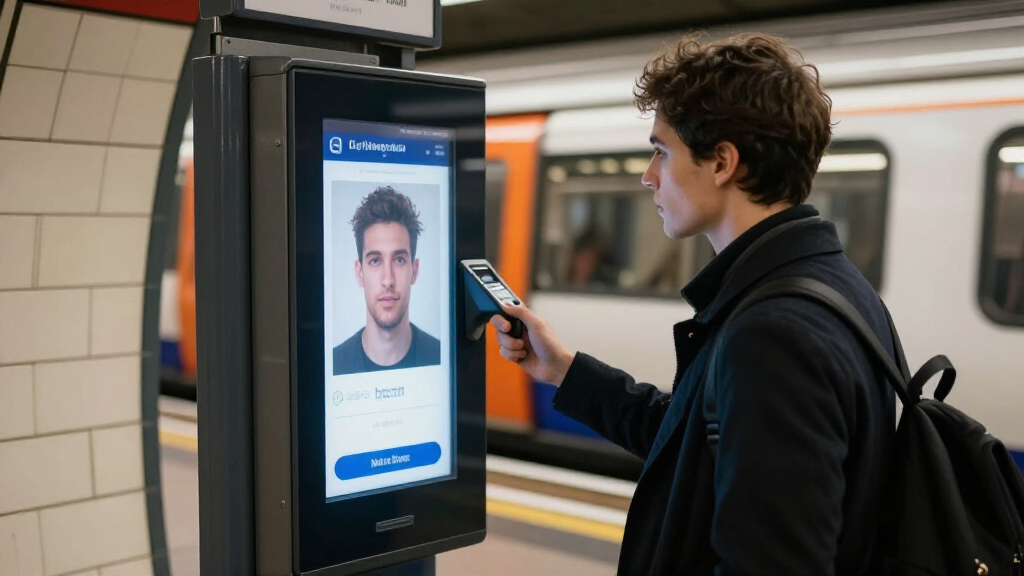
London Underground has launched a facial recognition trial, scanning passengers’ faces as they enter stations. The move aims to improve security but raises privacy questions. Details about the scope and duration are still emerging.
London Underground has begun a pilot program that involves scanning passengers’ faces as they enter stations, marking the first widespread use of facial recognition technology on the network. The initiative, launched in early April 2024, aims to enhance security and streamline fare enforcement, according to Transport for London (TfL). This development is significant as it represents a major step in the deployment of biometric surveillance in public transportation in the UK.
The facial recognition system is currently operational at a limited number of stations, with TfL confirming that passengers are being scanned as part of the trial. The technology compares faces against a database of wanted persons and known offenders, according to official statements. TfL has emphasized that the system is strictly for security purposes and that data collected will be stored securely and deleted after a set period. The trial is expected to last several months, during which TfL will assess its effectiveness and public acceptance. The initiative has attracted criticism from privacy advocates, who argue that it could lead to mass surveillance and misuse of biometric data.Implications of Facial Recognition on Passenger Privacy
This development matters because it signals a shift towards increased biometric surveillance in public spaces, raising concerns about privacy rights and data security. While TfL states the system is for security only, critics warn that such technology could be expanded or misused, potentially leading to mass monitoring of citizens. The move also reflects broader trends in surveillance technology adoption across urban transit systems worldwide, prompting questions about the balance between safety and civil liberties.
facial recognition security camera
As an affiliate, we earn on qualifying purchases.
As an affiliate, we earn on qualifying purchases.
Background on Surveillance and Facial Recognition in Public Transit
Facial recognition technology has been tested in various cities globally, often amid debates over privacy and effectiveness. In the UK, the Metropolitan Police previously trialed facial recognition at public events, facing legal challenges and public criticism. TfL’s move to implement facial recognition at London Underground stations follows similar initiatives in other countries, but this is the first time it has been integrated into the daily operations of the network on such a scale. The trial aligns with broader government and private sector interests in biometric security measures, though it remains controversial.
“The facial recognition system is being tested to enhance security and help prevent criminal activity on the network.”
— Transport for London spokesperson
biometric facial recognition device
As an affiliate, we earn on qualifying purchases.
As an affiliate, we earn on qualifying purchases.
Unclear Aspects of Data Use and Public Impact
It is not yet clear how long the facial recognition system will remain in operation, how data will be stored or protected, or whether the technology will be expanded beyond the trial phase. TfL has not disclosed detailed data privacy policies or the criteria for expanding the program. Additionally, the public’s response and legal challenges remain uncertain, as the trial progresses and more information becomes available.
public transportation facial recognition system
As an affiliate, we earn on qualifying purchases.
As an affiliate, we earn on qualifying purchases.
Next Steps in Evaluating Facial Recognition Deployment
TfL plans to monitor the trial closely, gathering data on system accuracy, security benefits, and public acceptance. A review is expected at the end of the trial period to determine whether the technology will be adopted permanently or scaled back. Public feedback and legal considerations will likely influence future decisions, alongside ongoing scrutiny from privacy advocates and regulators.
As an affiliate, we earn on qualifying purchases.
Key Questions
Is facial recognition mandatory for passengers on London Underground?
No, participation is voluntary. The system is part of a pilot program, and passengers are informed that their faces may be scanned at participating stations.
What data is collected during the facial recognition process?
The system captures facial images to compare against a database of wanted persons. TfL states that no other personal data is collected or stored beyond the facial images used for security checks.
Will the facial recognition system be expanded across all London Underground stations?
It is not yet confirmed. TfL will evaluate the trial’s success before deciding on broader deployment, considering public feedback and legal factors.
Are there legal protections in place for passengers’ biometric data?
Details about data protection policies are still emerging. TfL asserts data will be stored securely and deleted after the trial, but comprehensive legal safeguards are not yet publicly detailed.
How have passengers and privacy groups responded to this development?
Reactions are mixed. Some support enhanced security, while many privacy advocates express concern over potential misuse and the implications for civil liberties.
Source: hn
Columbus Day / Indigenous Peoples' Day Picks
long weekend sales
As an affiliate, we earn on qualifying purchases.