
TL;DR

Get your wardrobe favorites delivered free with Prime
- Fast, free delivery on millions of items
- Prime Video, Amazon Music and more included
- Member-only deals all year
A Who What Wear writer reported packing a carry-on for a week in Switzerland’s Jungfrau Region, using fleece-lined outerwear, base layers, hiking boots, leggings and lightweight accessories. Her account offers a personal packing example for fall travel, but it is not an official gear list or a guarantee that the same items suit every itinerary or weather condition.
A Who What Wear writer has shared the clothing she packed for a week in Switzerland’s Jungfrau Region, describing a carry-on wardrobe built around layers, hiking footwear and packable weather protection. The first-person report draws on her fall trip to Grindelwald and nearby areas, where she said she combined hikes, railway journeys and dining with clothing suited to changing temperatures.
The writer said she visited Grindelwald the month before her report and used the Jungfrau Railway to travel between Interlaken, Männlichen and other parts of the region. Her activities included hiking, visiting ice palaces, sightseeing and taking a zip-line ride. She said she packed only carry-on luggage and wore every item during the week.
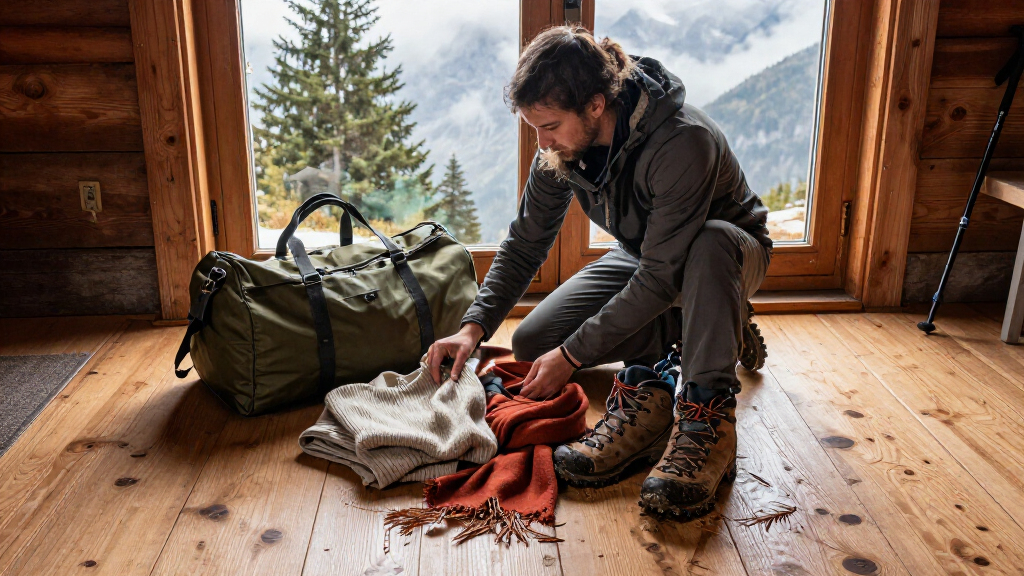
Her main layers included a fleece-lined jacket, lightweight long-sleeved tops and cable-knit sweaters. She described switching between cashmere and sweat-wicking base layers according to her plans, and said a lightweight windbreaker could be layered over the fleece jacket in colder, windier conditions at higher elevations.
For footwear, she packed outdoor hiking boots and said she wore them for trails and town exploration, apart from one dinner. She also relied on leggings rather than technical hiking pants, along with a scarf, beanie or headband, and gloves carried in her day pack. The report names examples from brands including Zara, Danner, J.Crew and Aritzia, but its recommendations reflect one traveler’s experience rather than a tested or universal packing list.
Layering for Alpine Weather Shifts
The account illustrates the practical challenge of dressing for a trip that combines different elevations and activities. A mild walk in a valley and a windy visit to a mountain peak can call for different levels of insulation, so the writer’s approach centered on adding or removing layers rather than relying on one heavy outfit.
For travelers, the report is a useful personal reference for balancing walking comfort, warmth and limited luggage. It does not establish that particular clothes are necessary for Switzerland, and actual needs will depend on the forecast, planned routes, season and personal comfort. Hiking footwear and weather protection should be selected for the conditions and activities a traveler expects.
Popular right now

Shark HydroVac MessMaster Corded Wet Dry Vacuum and Mop (WD161)

Breville BES870BTR Barista Express Espresso Machine, Black Truffle

Bose QuietComfort True Wireless Earbuds with Active Noise Cancellation, Black
As an affiliate, we earn on qualifying purchases.
A Week Around Grindelwald
The writer’s packing choices were tied to a specific fall itinerary in the Jungfrau Region, not a general survey of Swiss travel. She described moving from Interlaken toward Männlichen by railway and taking part in activities ranging from valley walks to visits at higher elevations.
Her report also included dinners and time at the hotel, which helps explain why it covered both technical-feeling outdoor layers and knitwear. The source lists suggested products alongside the writer’s account; it does not say that every listed item was among the pieces she personally took on the trip.
“I wore every piece I brought”
— Who What Wear writer
What the Packing List Cannot Confirm
The report does not provide a detailed daily forecast, the exact dates of the trip, or a complete inventory of every item packed. It also does not establish how the listed clothes performed across different weather conditions beyond the writer’s own account. Readers should not treat her experience as a substitute for checking current forecasts and trail conditions.
The article does not compare the named products through independent testing, and it does not show that all the brand examples were worn during the trip. The writer’s account also cannot determine what footwear or clothing will suit another traveler’s route, pace, fit preferences or tolerance for cold.
Check Conditions Before You Pack
Who What Wear’s report is a completed trip account; it does not announce a forthcoming event or a new travel service. For anyone planning a similar journey, the practical next step is to check weather forecasts, elevation and planned activities close to departure, then adjust layers and footwear accordingly.
Travelers can use the article’s combination of a warm midlayer, adaptable base layers and a packable shell as a starting point, while choosing items that fit their own itinerary. The report gives no further update on the writer’s trip or additional packing guidance.
Key Questions
What did the writer pack for her fall trip to the Swiss Alps?
She described packing a fleece-lined jacket, long-sleeved layers, cable-knit sweaters, hiking boots, leggings, cold-weather accessories and a lightweight windbreaker for a week in the Jungfrau Region.
Did the writer travel with checked luggage?
No. She said she was a carry-on-only traveler and took a strategic approach to packing. The report does not give the bag’s dimensions or weight.
Did she wear technical hiking pants?
No. She said she did not own technical hiking pants and instead brought several pairs of leggings. That was her personal choice, not a recommendation for every trail or weather condition.
Why did she pack both a fleece jacket and a windbreaker?
She said temperatures and wind varied with elevation. The windbreaker could be layered over the fleece for added protection, including during a visit to a high-altitude railway station.
Should travelers copy this list exactly?
Not necessarily. The report reflects one fall itinerary and one traveler’s preferences. Check the forecast, route and activity requirements before deciding what to bring; clothing fit and sizing also vary by brand.
Source: whowhatwear.com