
TL;DR

Get your wardrobe favorites delivered free with Prime
- Fast, free delivery on millions of items
- Prime Video, Amazon Music and more included
- Member-only deals all year
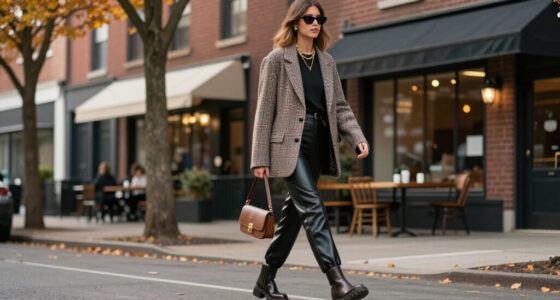
A Who What Wear writer reports donating five boxes of clothing during a closet clean-out and keeping five pieces she regularly wore. Her fall wardrobe picks are a quilted jacket, light-wash wide-leg jeans, a lightweight cashmere top, knee-high black boots and a quilted flap bag.
A Who What Wear writer says she donated five large boxes of clothing after clearing out two narrow closets in her New York City apartment, while keeping five pieces she says she repeatedly reaches for. The fall edit includes a quilted jacket, light-wash wide-leg jeans, a lightweight cashmere long-sleeve top, knee-high black boots and a quilted flap bag.
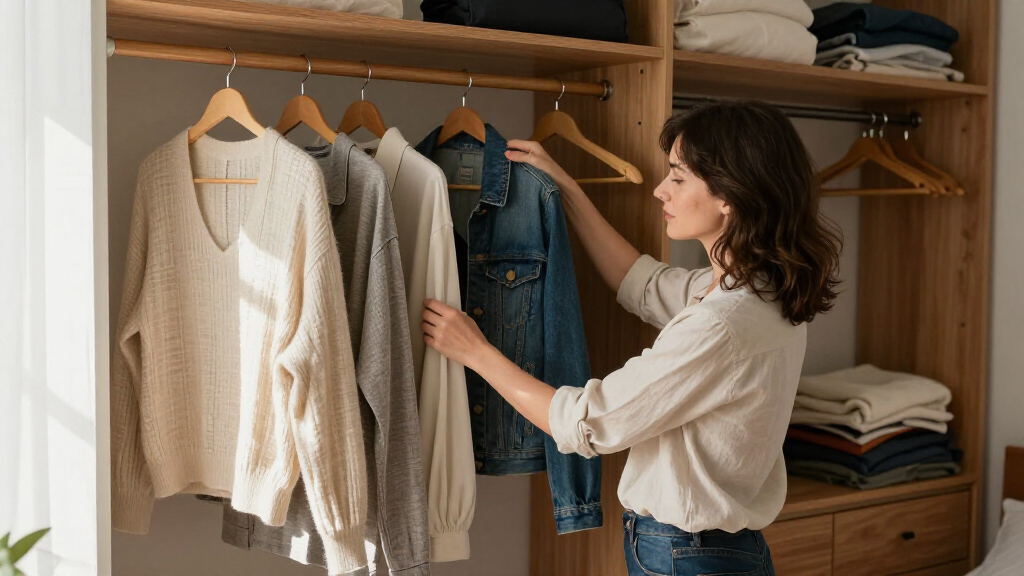
The writer describes a mix of designer and thrifted items packed into limited closet space, with clothes sometimes falling out when she opened the doors. She says she used a one-year rule: items she had not worn during the past year were candidates to donate. The article says the clean-out produced five donation boxes, which included silk scarves, designer jackets and shoes described as being in like-new condition.
The five kept pieces were selected based on the writer’s reported use, rather than presented as a survey or a formal trend ranking. She says she has owned her quilted jacket for nearly five years and values its texture and ease of layering. The other picks are light-washed wide-leg jeans, a lightweight cashmere long-sleeve shirt, knee-high black boots and a quilted flap bag.
Who What Wear’s article also lists retail examples for each category, including jackets from Free People, H&M and Madewell; jeans from PAIGE, Zara and J.Crew; and cashmere tops from Intimissimi, Falconeri and Naadam. Suggested boot and bag examples include products from Dolce Vita, Sam Edelman, Kurt Geiger, Saint Laurent, Coach and Tory Burch. These are shopping suggestions in the source, not evidence that the writer owns or recommends every listed item.
A Wardrobe Built Around Repeat Wear
The article’s practical takeaway is that a smaller wardrobe can be organized around pieces one person actually wears often. The writer’s five selections cover outerwear, denim, a layering top, footwear and a bag, categories that can work across multiple outfits in fall. That makes the story useful as a personal example for readers considering a closet clear-out, rather than a claim that these are essential purchases for everyone.
The account also draws a distinction between the number of items owned and how often they are used. The writer says she gave away clothing that included designer pieces and like-new shoes, but kept items she describes as dependable. Her experience supports a simple reflection for shoppers: look at actual wear patterns before deciding what earns space. It does not establish that decluttering improves wellbeing or that any particular style suits every reader.
As an affiliate, we earn on qualifying purchases.
Why the Writer Cleared Two Closets
The writer frames the clean-out around a space constraint: she lives in a one-bedroom New York City apartment and stored her clothes in two narrow linen closets. She describes the cramped storage as frustrating, with pieces falling out when the doors opened. The article is a first-person fashion report and shopping guide, not an independent study of wardrobe habits or a broader report on consumer behavior.
Her five categories are presented as fall-friendly options because they can be layered or paired with different outfits. The jacket can go over a T-shirt, she says; the cashmere top can be worn alone or layered; and the boots can pair with skirts, dresses or denim. The article’s advice is grounded in her personal experience, and the featured labels are examples rather than an exhaustive list.
As an affiliate, we earn on qualifying purchases.
Personal Picks, Not a Universal List
The source provides one writer’s account; it does not identify the five pieces as objectively necessary, report how many garments were discarded, or independently verify the writer’s ownership and wear history. It also does not name the exact items she kept beyond their general categories, so readers should not assume she retained the specific products listed as shopping examples.
The article does not provide prices, availability, sizing information or a comparison of the suggested products. Its reference to five donation boxes is a count of boxes, not a count of items, and the source gives no baseline for comparing the size of this clean-out with other wardrobes.
As an affiliate, we earn on qualifying purchases.
Choosing Pieces for Your Own Closet
The source does not announce a follow-up, scheduled event or next reporting milestone. Its immediate next step for readers is to use the five categories as prompts while reviewing their own wardrobes: identify what they wear repeatedly, consider whether items suit their needs and decide what can be donated or stored. The writer’s one-year rule is a personal approach, not a requirement.
Readers interested in the named products would need to check retailers directly for current stock, prices and details. The article does not establish that every item remains available, or that any one brand or style is the right fit for every body, budget or climate.
As an affiliate, we earn on qualifying purchases.
Key Questions
What five pieces did the writer keep?
The writer lists a quilted jacket, light-wash wide-leg jeans, a lightweight cashmere long-sleeve shirt, knee-high black boots and a quilted flap bag.
How much did she donate?
She says she filled five large donation boxes. The article does not state how many individual items were in them.
What rule did she use to decide what to remove?
She says she considered items she had not worn in the past year ready to go, while describing the approach as her own decluttering process.
Are the listed brands confirmed to be items she kept?
No. The article names products from several brands as shopping examples for each category. It does not say the writer owns every item listed.
Source: rss
Fall Picks
fall essentials
As an affiliate, we earn on qualifying purchases.