TL;DR

Get your wardrobe favorites delivered free with Prime
- Fast, free delivery on millions of items
- Prime Video, Amazon Music and more included
- Member-only deals all year
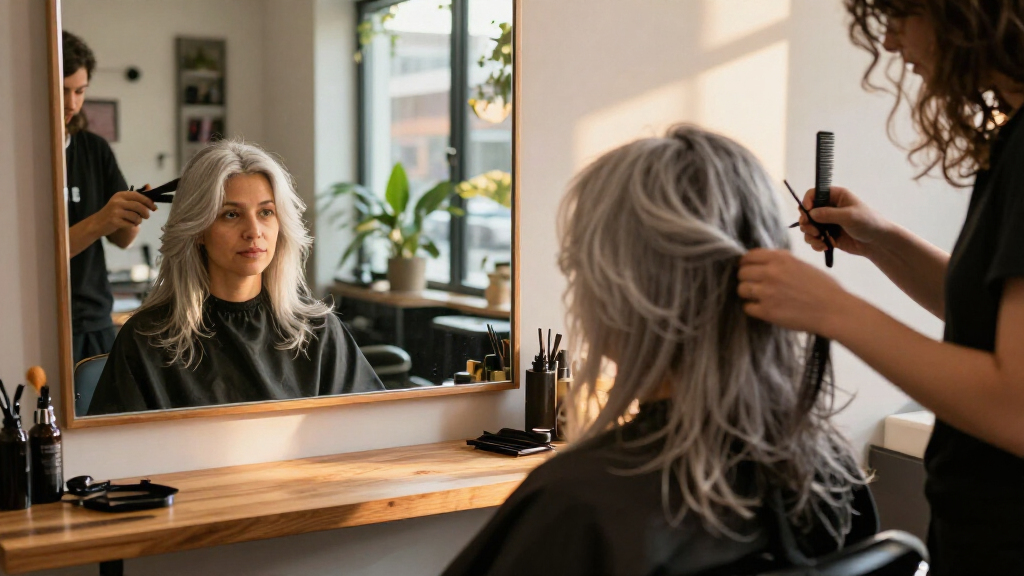
A Harper’s Bazaar guide brings together advice from colorists and public figures on transitioning to gray hair, including gradual trims, glosses and gray blending. Experts recommend patience and moisture-focused care; the right approach depends on each person’s hair and preferences.
Harper’s Bazaar has published a guide to transitioning to gray hair, drawing on advice from colorists and public figures about hair care, color treatments and personal styling. The report describes gradual options for growing out dyed hair, rather than treating a short haircut or immediate change as necessary.
Celebrity colorist Kadi Lee advises keeping hair hydrated and strong during the change, when natural regrowth and previously colored lengths can have different textures. She recommends regular deep conditioning and scalp care, and cautions against using too much protein, which she says can weigh hair down and may contribute to breakage in delicate strands. The report does not present these suggestions as medical advice or as a routine that suits everyone.
Lee says a major haircut is not required to move toward gray. Regular trims can remove processed ends over time, while glosses or temporary color can soften the contrast between roots and dyed lengths. According to the report, glosses can last up to six weeks, while temporary color may fade after a couple of washes. Colorist Shvonne Perkins describes gray blending with lowlights and some highlights as another way to soften the line between incoming gray and existing color. She says demi-permanent dye can provide a longer-lasting, translucent deposit while allowing some gray to show through.
Makeup artist Pati Dubroff says her own transition from brunette to gray took time, and warns that lightening dark dyed hair can be difficult and damaging. Dubroff and producer and writer Mara Brock Akil also describe adapting makeup or clothing to complement their gray hair. Their experiences illustrate personal approaches, rather than a single standard for how gray hair should look.
Choices for Growing Out Gray
The guide matters to readers weighing whether to cover gray, blend it or let it grow in because it sets out several different routes instead of presenting the change as an all-or-nothing decision. Gradual trims, temporary color, glosses and professional blending may help people manage the visible contrast while retaining their preferred length.
It also addresses the practical and personal sides of the change. The report notes that gray hair can have a different texture and may feel fragile, while Dubroff and Akil discuss the stigma they have encountered around women and gray hair. Their views are personal testimony, not evidence that everyone experiences the same attitudes or wants to embrace gray.
deep conditioning hair mask for dry hair
As an affiliate, we earn on qualifying purchases.
As an affiliate, we earn on qualifying purchases.
The Experts’ Transition Options
The report frames graying as a change that can begin at different ages. It cites the American Academy of Dermatology as saying hair typically starts to gray in midlife, often in people’s 30s and 40s, and identifies genetics, stress and oxidative damage as factors. Individual timing varies, and the source does not establish the cause of any one person’s gray hair.
Akil recalls seeing five gray hairs at age 29 while working on the television series Girlfriends. Dubroff says her hair began turning gray in her mid-to-late 30s, after she became a mother. The guide uses their stories alongside professional advice: Lee favors a gradual approach with trims, while Perkins describes salon blending and demi-permanent color. These are options, not a prescribed sequence.
““I was 29, and there were five of them, literally five.””
— Mara Brock Akil, producer and writer
As an affiliate, we earn on qualifying purchases.
Personal Results Will Vary
The report does not specify a universal timeline for growing out gray or quantify how well each treatment works across different hair types, colors or prior chemical treatments. The results and longevity of glosses, temporary color and demi-permanent dye can differ; the stated durations are general guidance in the article, not guarantees.
It is also unclear from the source whether the cited product recommendations or named services were independently tested. Lee’s discussion includes products from her own brand, and the guide does not provide comparative testing or clinical evidence for the care claims. Readers with concerns about scalp health or breakage may need advice tailored to their circumstances.
temporary hair color for gray blending
As an affiliate, we earn on qualifying purchases.
As an affiliate, we earn on qualifying purchases.
Choosing a Gradual Hair Plan
The next step for someone considering the change is to decide whether they want to grow gray in naturally, soften the contrast with color, or combine the approaches. A colorist can discuss the condition of previously dyed hair, expected maintenance and the risk of damage before any lightening service. Regular trims and conditioning may support a slower grow-out, while glosses or temporary color offer short-term ways to adjust the appearance.
The guide gives no future publication date or follow-up milestone. Its advice points readers toward a process shaped by their preferences, hair history and willingness to wait, rather than a fixed timetable.
professional lowlights and highlights kit
As an affiliate, we earn on qualifying purchases.
As an affiliate, we earn on qualifying purchases.
Key Questions
Do you need a big haircut to go gray?
No. Colorist Kadi Lee says regular trims can gradually remove processed ends; a larger cut is one personal option, not a requirement.
How can someone soften the line between dyed hair and gray roots?
The guide describes glosses, temporary color and professional gray blending as possible approaches. Colorist Shvonne Perkins says lowlights with some highlights can diffuse the line; a colorist can advise based on the existing color and hair condition.
How long do glosses and temporary color last?
The report says hair glosses typically last up to six weeks, while temporary color may fade after a couple of washes. Actual results may vary.
What care does the guide recommend during the transition?
Lee recommends consistent moisture, deep conditioning and scalp care. She also cautions against excessive protein products, saying they can weigh hair down and may contribute to breakage in delicate strands.
Source: rss
Halloween Picks
halloween
As an affiliate, we earn on qualifying purchases.