
TL;DR

Get your wardrobe favorites delivered free with Prime
- Fast, free delivery on millions of items
- Prime Video, Amazon Music and more included
- Member-only deals all year
Carrying EDC gear all day requires balancing weight, choosing the right bag, and organizing efficiently. Proper setup minimizes fatigue and keeps gear accessible, so you stay prepared without discomfort.
Carrying your EDC gear all day doesn’t mean suffering through sore shoulders or back pain. It’s about making smart choices—selecting the right gear, organizing it well, and wearing it comfortably. You want gear that’s durable, lightweight, and fits your body like a glove.
Whether you’re a first responder, outdoors enthusiast, or just someone who likes to be prepared, comfort matters. It keeps you alert, reduces fatigue, and ensures your gear is ready when you need it. This guide breaks down the best ways to carry your essentials without feeling weighed down or uncomfortable.
Choose ergonomic backpacks with adjustable straps and padded support to reduce fatigue.
Organize gear in compartments—heavy items close to your back, quick-access items on top or at the sides.
Lighten your load by prioritizing essentials, using multi-use tools, and opting for lightweight gear.
Adjust straps properly each time you wear your pack to ensure comfort and prevent chafing.
Stay adaptable: switch between carrying styles based on activity to avoid strain and improve endurance.
Why Ergonomics Matter More Than You Think
Ergonomics isn’t just a buzzword. It’s the key to avoiding fatigue and injury during long days of carrying gear. When your pack’s weight is evenly spread, your muscles work less, and pressure on your spine decreases.
Imagine lugging around a heavy backpack with uneven straps. Your shoulders pull unevenly, causing soreness after just a few hours. Instead, an ergonomic pack with padded, adjustable straps and a padded back panel helps you stay comfortable, even with a full load. Proper ergonomic design reduces strain on your musculoskeletal system, which can prevent chronic issues like back pain or shoulder injuries. The tradeoff, however, is that some ergonomic features—like added padding or specialized suspension systems—may slightly increase the weight or cost of your pack. Balancing comfort with practicality is key to long-term satisfaction, especially if you carry gear daily.
ergonomic EDC backpack with adjustable straps
As an affiliate, we earn on qualifying purchases.
As an affiliate, we earn on qualifying purchases.
Pick the Right Bag for Your Body and Job
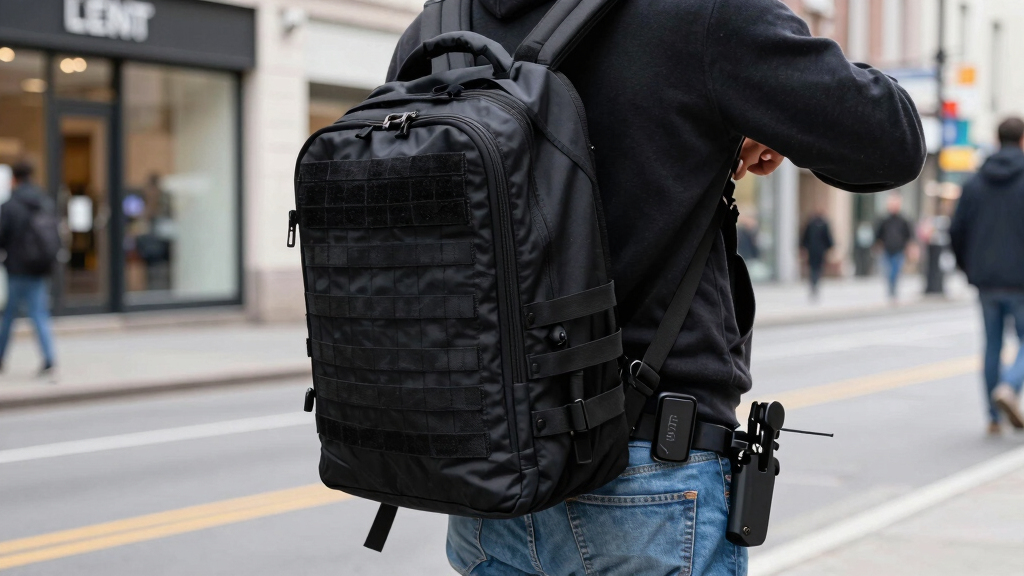
Choosing the right bag is step one. It should fit your body, match your activity, and be built for durability. For everyday use, a well-padded backpack with adjustable straps is versatile and comfortable for most body types. The right bag can prevent unnecessary strain and facilitate better weight distribution, which is crucial during extended wear. For example, a poorly fitting bag can cause uneven weight distribution, leading to muscle fatigue, postural issues, or even injury over time. The tradeoff here is that more specialized bags with features like suspension systems or modular attachments tend to be more expensive and heavier, so your choice should align with your actual needs and how much weight you typically carry. Selecting the appropriate style—whether a backpack, sling, or belt pouch—directly impacts your comfort and efficiency, especially during long periods of activity.
lightweight tactical backpack for daily carry
As an affiliate, we earn on qualifying purchases.
As an affiliate, we earn on qualifying purchases.
How to Organize Your Gear for Comfort and Accessibility
Organization isn’t just about neatness; it’s about comfort. When you keep your gear in dedicated compartments, you avoid rummaging and uneven weight shifts. Proper organization ensures that the load remains balanced and that you can access essential items quickly, reducing unnecessary movement that can strain your muscles and joints. Using pouches or MOLLE-compatible attachments allows you to customize your setup based on your daily needs, which minimizes the need to dig through your pack and risk unbalancing the load. Heavy items should sit close to your back to reduce the lever effect that can strain your shoulders and spine. For example, a first responder might keep medical supplies at the top of the pack for quick access, while heavier items like water bottles stay lower and closer to the hips to maintain stability. This thoughtful organization helps you carry more comfortably over extended periods, but it requires upfront effort to plan and set up your gear properly.
EDC gear organizer with compartments
As an affiliate, we earn on qualifying purchases.
As an affiliate, we earn on qualifying purchases.
Adjust Your Gear and Clothing for Maximum Comfort
Proper fit is everything. Tight straps cause chafing, while loose straps shift and create pressure points. Adjust your harnesses, waist straps, and chest straps so your pack feels snug but not restrictive. This not only improves comfort but also ensures that the weight is evenly distributed, reducing fatigue during prolonged wear. Wear moisture-wicking clothing to prevent sweat buildup, which can cause discomfort and chafing. Consider padded straps and breathable fabrics, especially in hot climates. The tradeoff here is that overly tight straps can restrict movement or blood flow, so finding the right balance is essential. Proper adjustment and clothing choices can significantly extend your comfort zone, allowing you to carry gear effectively for hours without discomfort. Think of it as fine-tuning a machine—small adjustments can make a big difference in performance and comfort.
padded shoulder straps for backpacks
As an affiliate, we earn on qualifying purchases.
As an affiliate, we earn on qualifying purchases.
Latest Innovations Making EDC Carry More Comfortable
Recent advances focus on lightweight, durable materials and smarter designs. Bags made from Dyneema or Cordura fabrics shave weight without sacrificing toughness, allowing you to carry more with less effort. Modular systems like MOLLE enable customization, so you can add or remove pouches based on your daily needs, preventing unnecessary bulk and weight. Tech integrations—like built-in charging ports and RFID-blocking compartments—add convenience without extra bulk. Some bags now feature adjustable suspension systems that contour to your body, distributing weight more evenly and reducing fatigue. These innovations matter because they directly impact how comfortably and efficiently you can carry your gear over long periods. The tradeoff is that advanced materials or features may increase cost, but the benefits in comfort and durability often outweigh the expense for daily users.
Practical Tips to Keep Your Load Light and Balanced
Here’s a quick list to keep your gear manageable:
- Prioritize essentials—leave non-essentials at home to reduce overall weight and avoid unnecessary fatigue.
- Use multi-use tools to cut down on total items, which simplifies your setup and reduces bulk.
- Opt for lightweight gear and fabrics, which decrease the load and make carrying easier over time.
- Distribute weight evenly—heavy items should sit close to your back, with lighter items outward—to maintain balance and reduce strain.
- Adjust straps for a snug fit, not tight enough to cause chafing but secure enough to prevent shifting during movement.
The Best Carry Techniques for All-Day Comfort
How you carry your gear matters almost as much as what you carry. Switch between backpack, sling, and waist pack depending on your activity to avoid strain. Different scenarios demand different approaches—what’s comfortable for a short walk may be uncomfortable for a full day of work or outdoor activity. For longer walks or outdoor work, a backpack with padded straps and a waist belt helps shift some of the weight from your shoulders to your hips, reducing fatigue and preventing strain. When quick access is needed, a sling bag worn across your chest can be more convenient, but if not balanced properly, it can cause uneven strain on one side. For example, a nurse might prefer a backpack for a full shift to evenly distribute weight but switch to a sling for quick runs between rooms to maintain accessibility without overloading any one area. The key is understanding the tradeoffs—each method has benefits and potential drawbacks, and selecting the right technique depends on your activity and duration.
Frequently Asked Questions
What is the best type of bag for all-day comfort?
Ergonomic backpacks with padded, adjustable straps and a supportive suspension system are generally best. They distribute weight evenly across your shoulders and hips, reducing fatigue during long wear.
How can I reduce the weight of my EDC setup?
Prioritize essentials, swap bulky items for slim, multi-use tools, and choose lightweight, durable materials like Dyneema or Cordura fabrics. Regularly reassess what you truly need to carry.
What are some tips for organizing my EDC gear?
Use compartments and pouches to keep items sorted. Keep frequently used gear at the top or in easily accessible pockets, and store heavier items close to your back to balance the load.
How do I prevent my gear from becoming uncomfortable or causing strain?
Adjust straps each time you wear your gear for a snug fit. Wear moisture-wicking clothing to prevent chafing, and switch carrying styles depending on activity to avoid overloading specific areas.
Are there specific brands known for comfortable EDC gear?
Yes, brands like Maxpedition, 5.11 Tactical, Vertx, and Mystery Ranch are respected for durable, ergonomic designs that prioritize comfort during extended wear.
Conclusion
Carrying EDC gear all day isn’t about brute strength; it’s about smart choices and proper setup. Your gear should feel like an extension of your body—light, balanced, and accessible.
Revisit your setup regularly, tweak your gear, and listen to your body. The right approach keeps you prepared without sacrificing comfort. In the end, a well-carried load empowers you to stay focused and ready—no matter what the day throws at you.
Halloween Picks
halloween
As an affiliate, we earn on qualifying purchases.