
TL;DR

Get your wardrobe favorites delivered free with Prime
- Fast, free delivery on millions of items
- Prime Video, Amazon Music and more included
- Member-only deals all year
EDC for hikers means carrying only what’s essential for safety and efficiency. Focus on the Ten Essentials, prioritize multi-use gear, and keep weight manageable. Preparation saves lives.
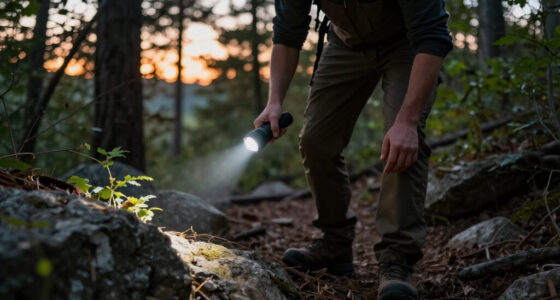
Imagine you’re miles into the woods, the sun slipping behind the trees. Your pack feels light, but you’re prepared for most common mishaps. That’s the power of smart EDC — knowing exactly what to carry, and nothing more.
This guide cuts through the noise. You’ll learn how to build a lean, reliable kit that balances safety with weight. Whether you’re tackling a quick local trail or heading into the backcountry, your pack should be a tool, not a burden.
Prioritize the Ten Essentials, but customize based on your trip length and environment.
Layer safety gear: keep critical items on your body and rest in your pack for quick access.
Lighten your load by choosing multi-use, lightweight gear and removing unnecessary duplicates.
Water treatment is crucial — always filter or purify before drinking from natural sources.
Focus on signaling tools like whistles and modern devices like satellite communicators for emergencies.
Why a smart EDC setup makes or breaks your hike
An effective EDC for hikers is all about redundancy and reliability. Carrying the right gear means you’re ready for slips, weather swings, or getting lost. It’s that simple.
Think about a typical scenario: you sprain your ankle on a trail. Your on-body kit — a pocket knife, whistle, and phone — keeps you alert and ready. But your pack should hold the essentials to get you out or stay safe until help arrives. Balance is key: pack light but smart.
As an affiliate, we earn on qualifying purchases.
The core of your EDC: The Ten Essentials you can’t skip
The foundation is the classic ‘Ten Essentials,’ updated for modern hikers. These items cover navigation, safety, and survival needs. Each item should be lightweight, durable, and versatile.
Understanding why each item matters helps you prioritize what to carry. For example, navigation tools are crucial because losing your way can turn a minor delay into a dangerous situation, especially in unfamiliar terrain. A headlamp isn’t just for seeing in the dark; it’s vital for signaling, making repairs, or navigating at night. Sun protection isn’t just comfort; it’s a health safeguard against heatstroke and long-term skin damage. The first aid kit isn’t just for minor cuts—it’s your first line of defense against infection and worsening injuries. Multi-tools combine several functions, reducing weight and bulk while increasing versatility. Fire-starting gear isn’t just about warmth; it’s about signaling, sterilizing water, or cooking. Emergency shelter can be the difference between hypothermia and safety. Extra food and water are your energy reserves, but their weight emphasizes the need for efficient planning and resource management. Each item’s importance is interconnected; neglecting any can compromise your safety.
As an affiliate, we earn on qualifying purchases.
Layered carry: How to keep safety gear close and your pack light
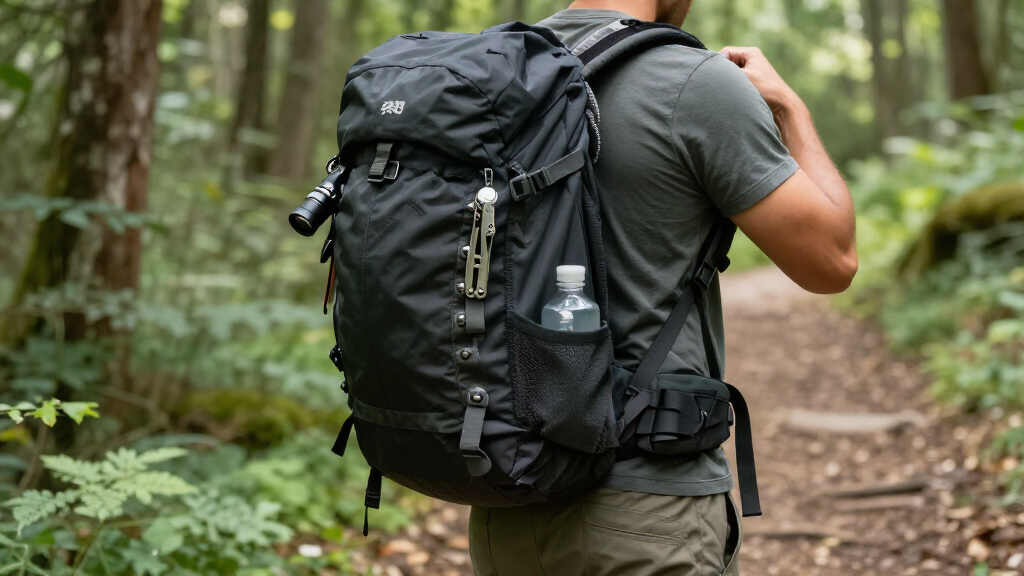
Most safety-critical items should be on your body — like your phone, whistle, and a pocket knife. The rest live in your pack. This layered approach ensures quick access and redundancy.
Picture this: you start your hike with essentials in your pockets, but if your pack drops or you get separated, your on-body gear keeps you safe. It’s a simple, effective rule: on-body for immediate needs, pack for backup.
This layered system minimizes the risk of losing critical safety items and enables rapid response in emergencies. For example, if you stumble and lose your pack, you still have your whistle and phone to call for help. Conversely, if an item in your pack is inaccessible during a sudden need, having critical gear on your person can be life-saving. It’s about creating a hierarchy of accessibility that reduces response time and enhances safety in unpredictable situations.
compact water filter for backpacking
As an affiliate, we earn on qualifying purchases.
As an affiliate, we earn on qualifying purchases.
How to keep your pack light without sacrificing safety
Guidance says keep your base weight under 20 lbs for day hikes — ultralight hikers aim for under 10 lbs. Every item must prove its worth. Think multi-use gear: a bandana becomes a sunshade, a fire starter doubles as a signaling device.
Making these choices requires understanding the tradeoffs. For instance, opting for ultralight gear might mean sacrificing some durability or comfort, but it can significantly reduce fatigue and increase mobility. Prioritizing multi-use items means you might carry fewer specialized tools, but you should ensure they are reliable for multiple functions. Eliminating unnecessary duplicates prevents redundant weight, but you must be careful not to omit critical backups. Choosing lightweight gear like titanium or Dyneema reduces weight but can be more expensive, so consider your budget and needs. The key is balancing minimalism with preparedness—knowing that a small compromise in weight can make a big difference in endurance and safety. This approach encourages thoughtful packing, where every ounce is justified by its contribution to safety or convenience.
As an affiliate, we earn on qualifying purchases.
Water: The heaviest item and how to lighten your load
Water is the biggest weight driver in your pack. One liter weighs about 2.2 pounds. Carrying extra water is often unnecessary if you plan ahead with filtration or purification.
Imagine hiking into a mountain stream, filling your bottle, and then treating it with a squeeze filter. It’s faster, lighter, and more reliable than carrying multiple liters from the start. This method shifts the focus from carrying heavy water to efficiently sourcing and treating water during your hike. Proper planning involves knowing your water sources, their reliability, and how much water you’ll need for the trip duration. Carrying less water means less weight, but overestimating your needs can lead to unnecessary bulk, while underestimating can leave you dehydrated. Balancing your water needs with your route and water availability is crucial. Using lightweight filtration systems allows you to adapt to changing conditions, conserve energy, and avoid carrying excessive weight, ultimately making your hike more manageable and safer.
Signaling and safety gear: Small items with big impact
In emergencies, a whistle is worth its weight in gold. It’s silent but piercing — able to carry over miles of forest or mountain. A mirror doubles as a signaling device, catching sunlight to attract attention.
Satellite communicators like Garmin inReach or inReach Mini have become game-changers, especially for solo hikers. They provide two-way messaging and GPS tracking, which can be lifesavers in remote areas. Using these tools effectively can mean the difference between rescue and prolonged distress, especially when cell service is unavailable. The whistle’s simplicity and reliability make it a must-have, but modern devices expand your options for rescue and communication. Understanding when and how to use each tool maximizes your safety. For example, a mirror can be used to signal aircraft or distant rescuers during daylight, while a satellite device can provide real-time location updates. These small items, when used correctly, significantly increase your chances of being found or rescued in an emergency.
The controversy: Self-defense gear in your EDC pack
This is a hot topic. Most wilderness safety guides favor bear spray over firearms. It’s effective, legal in most areas, and easy to use. Plus, studies show it deters aggressive bears over 90% of the time.
Firearms are complex — legal restrictions, training, and risk management make them less practical for most hikers. In bear country, a lightweight can of spray is your best bet.
Choosing the right self-defense gear involves understanding the tradeoffs: while bear spray is effective and non-lethal, some hikers might feel more secure with a firearm, which introduces legal and safety complexities. Carrying firearms requires proper training and adherence to local laws, which can vary widely. Additionally, firearms pose risks of accidental discharge or escalation of conflicts. Bear spray, on the other hand, offers a non-lethal, easy-to-use alternative that generally results in safer encounters. The decision should be based on your comfort level, legal considerations, and the specific wildlife risks in your area. Weighing these factors helps you make informed choices that prioritize safety without adding unnecessary complications or weight to your pack.
Practical packing tips: Your checklist for every hike
Use these steps to build your perfect EDC kit:
- Start with the Ten Essentials as your baseline
- Layer gear: keep critical items on your body, rest in your pack
- Eliminate unnecessary duplicates and bulky items
- Choose lightweight, multi-use gear whenever possible
- Test your pack on shorter trips to refine your loadout
Imagine packing for a day hike: your wallet, phone, and whistle in pockets; water, first aid, and extra layers in a lightweight pack. Keep it simple, keep it ready.
What you can leave behind — and still stay safe
Many hikers carry more than they need — don’t be one of them. Items like heavy extra clothing, bulky knives, or multiple backup batteries often stay unused. Focus on essentials that really matter.
Ask yourself: Will I use this item today? Will it save my life? If not, leave it at home. Less weight means less fatigue and more fun.
For example, skip the full-size first aid kit if you’re confident in basic skills. Instead, carry a small, focused kit and learn how to handle common injuries.
Frequently Asked Questions
How much should my day-hike pack weigh?
Most hikers aim for a pack weight between 10 to 20 pounds. Ultralight enthusiasts keep it under 10 pounds, focusing on multi-use gear and removing non-essentials. The key is balancing safety and comfort.
Do I need a satellite communicator for a short day hike?
It depends on cell coverage and how remote your trail is. For solo or backcountry hikes, a satellite device offers peace of mind. If you stick to well-trafficked areas, a cell phone with offline maps and a portable charger may suffice.
What water treatment method is best for lightweight backpacking?
Squeeze filters like the Sawyer Squeeze are popular for their light weight and quick flow. UV pens are fast but require batteries, while chemical tablets are cheap but slow. Choose based on your trip duration and water source reliability.
Is bear spray really necessary?
In areas with bears, yes. Studies show it’s over 90% effective in deterring attacks. It’s lightweight, easy to use, and legally available in most regions. Firearms are less practical and often not permitted for hikers.
What’s the one item I should never forget?
Always carry a whistle — it’s silent, lightweight, and can be heard for miles. It’s your best chance to attract attention if you’re lost or injured.
Conclusion
Your pack is your lifeline, but it doesn’t have to weigh you down. Focus on carrying only what’s necessary, and master the art of layering and redundancy. When you pack smart, every hike becomes safer, more enjoyable, and less exhausting.
Remember: preparedness is about thinking ahead, not overloading. Stay lean, stay ready, and the trail will reward you with confidence — and comfort.
Halloween Picks
halloween
As an affiliate, we earn on qualifying purchases.