
TL;DR

Get your wardrobe favorites delivered free with Prime
- Fast, free delivery on millions of items
- Prime Video, Amazon Music and more included
- Member-only deals all year
Unidirectional bezels only rotate counterclockwise to prevent accidental extension of dive time, making them a safety must-have in dive watches. Recent upgrades focus on durability, precision, and style, ensuring divers stay safe and informed.
Unidirectional bezels only rotate counterclockwise to prevent accidental extension of dive time, a critical safety feature.
Modern materials like ceramic improve bezel durability and visibility, essential for saltwater environments.
Properly aligning the bezel at the start of a dive ensures accurate elapsed time tracking.
Industry standards like ISO 6425 mandate unidirectional bezels for professional dive watches, emphasizing safety.
Future innovations will combine traditional safety features with smart tech for even better underwater performance.
How a Unidirectional Bezel Keeps You Safe Underwater
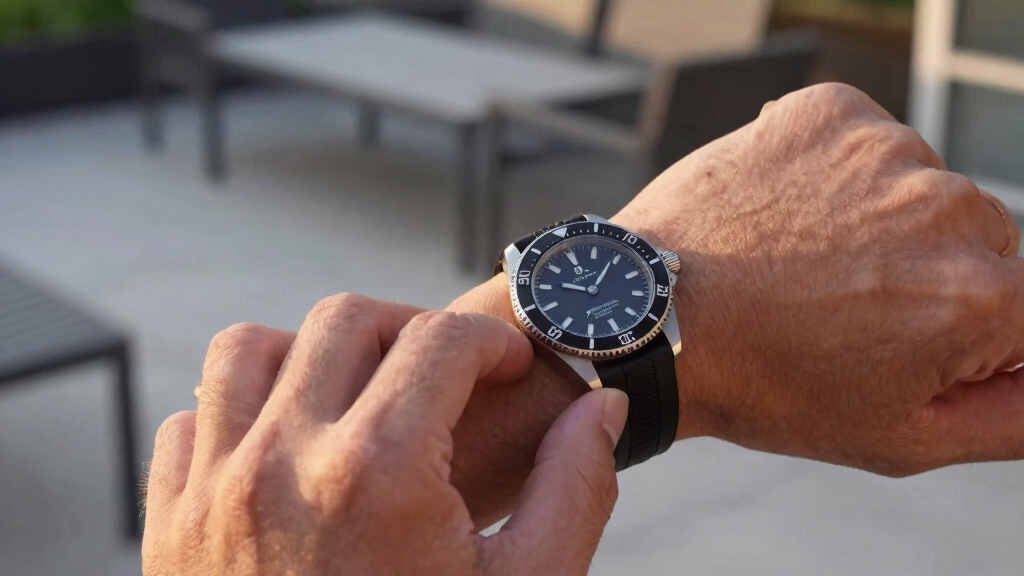
Unidirectional bezels are the safety guardrails of dive watches. They only turn counterclockwise, so if they get nudged or knocked, they can only shorten your remaining dive time, never extend it. Imagine a diver accidentally bumping the bezel on coral or gear—this design prevents miscalculations that could lead to dangerous overestimations of how long they can stay submerged.
For example, if a diver starts a dive and aligns the zero marker with the minute hand, they can track elapsed time easily. If the bezel moves slightly during the dive, it only shows less time remaining—forcing the diver to surface sooner, not later. It’s a simple but vital safety feature, built into every certified dive watch.
As an affiliate, we earn on qualifying purchases.
What Makes a Unidirectional Bezel Different from Other Bezels
| Feature | Unidirectional Bezel | Bidirectional Bezel |
|---|---|---|
| Rotation Direction | Only counterclockwise | Both ways |
| Safety | Prevents overestimation of dive time | Can accidentally extend dive time |
| Usage | Tracks elapsed dive time | Used for general timing, not specific to diving |
Most dive watches feature unidirectional bezels because they prioritize safety. Bidirectional bezels, found on some watches, can move in either direction, risking a diver miscalculating their remaining air supply. For diving, that’s a dangerous flaw.
As an affiliate, we earn on qualifying purchases.
How to Use a Unidirectional Bezel Without Making Mistakes
- Start your dive by aligning the zero marker with the minute hand. This marks the start time.
- As you descend, keep an eye on the minute hand’s position relative to the bezel.
- To check elapsed time, read the number on the bezel where the minute hand points.
- Remember, if the bezel accidentally moves, it will only show less time remaining, prompting you to surface sooner.
This simple step ensures you stay within safe limits, even if the bezel isn’t perfectly still. Practice makes perfect—get comfortable doing it before your next dive.
professional dive watch with safety features
As an affiliate, we earn on qualifying purchases.
As an affiliate, we earn on qualifying purchases.
Latest Innovations Making Unidirectional Bezels More Reliable
Recent advances have pushed dive bezel technology forward. Ceramic inserts resist scratches and fading, keeping the markings clearly visible after years of saltwater exposure. Some brands are refining click mechanisms for smoother, more tactile feedback—think of the satisfying click when you set your timer precisely. Others are experimenting with 120-click bezels, offering finer adjustments for meticulous divers. A few newer models even combine traditional bezels with digital features, syncing with dive computers or displaying depth data, blending classic safety with modern tech.As an affiliate, we earn on qualifying purchases.
Why Industry Standards Make Unidirectional Bezels a Must-Have
ISO 6425, the international standard for dive watches, explicitly requires the use of unidirectional bezels for safety. This isn’t just tradition—it’s a regulation that saves lives. Manufacturers must meet these standards for their watches to be certified for diving. In practice, this means every professional-grade dive watch you see on a diver’s wrist adheres to these strict safety features.
The Future of Dive Bezel Technology
Expect to see more durable materials like ceramic and sapphire, along with integrated smart features. Imagine a bezel that not only tracks elapsed time but also syncs with your dive computer or displays multiple time zones. The goal remains the same: safer, more reliable, and more user-friendly dive watches. As saltwater and wear threaten traditional materials, innovations will focus on durability and ease of use in extreme conditions.Frequently Asked Questions
Why can’t dive watches have bidirectional bezels?
Bidirectional bezels can rotate both ways, increasing the risk of accidental movement that could extend your perceived remaining dive time. This could lead to dangerous overestimation of your air supply, which is why industry standards favor unidirectional bezels for safety.
Are all unidirectional bezels the same?
No, they differ in click count, materials, and design features. Some have 60 clicks, others 120; materials range from aluminum to ceramic. These differences impact durability, precision, and aesthetics, so choose based on your needs and environment.
How do I use a unidirectional bezel correctly?
Align the zero marker with the minute hand at the start of your dive. During the dive, read the elapsed time by checking where the minute hand points on the bezel. This simple step helps you stay within safe limits, even if the bezel shifts slightly.
Can unidirectional bezels be repaired or replaced?
Yes, but it’s best to have a professional watchmaker handle it to maintain water resistance and proper function. Proper maintenance ensures your safety features stay reliable over time.
Are unidirectional bezels only for professional divers?
Not at all. Recreational divers and watch enthusiasts also prefer them for their safety and clarity. They add peace of mind and a classic look to any dive watch.
Conclusion
A simple, sturdy mechanism keeps divers safe: the unidirectional bezel. Its clever design prevents dangerous miscalculations, and recent tech advances make it more reliable than ever. When you’re underwater, safety isn’t just a feature—it’s the foundation of every dive watch you trust.Fall Picks
fall essentials
As an affiliate, we earn on qualifying purchases.