
TL;DR
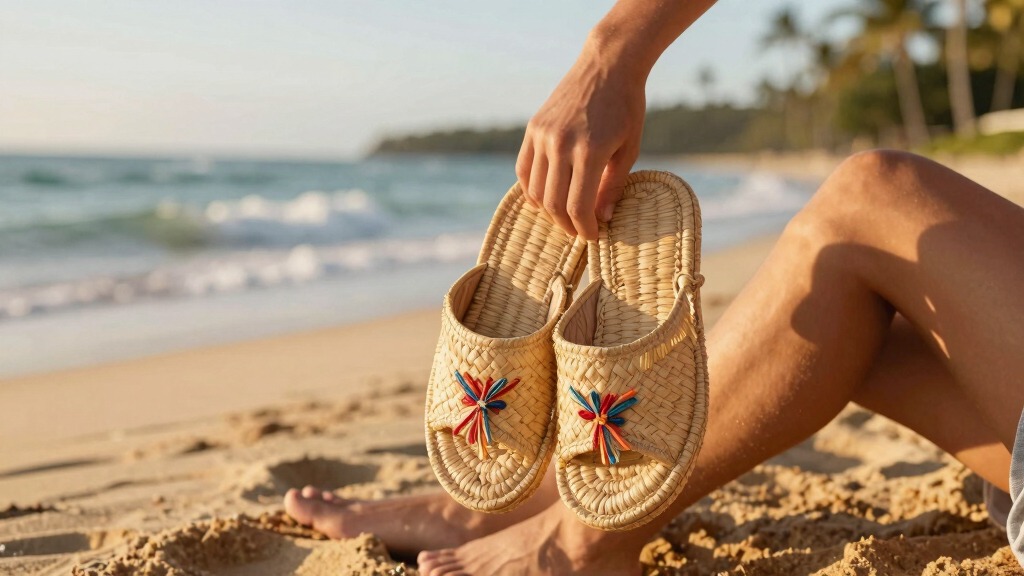
A hand-woven Hawaiian slipper has emerged as a premium, artisanal alternative to typical flip-flops. Crafted with traditional techniques, it highlights cultural craftsmanship and sustainable fashion. The development is sparking interest among consumers seeking unique, durable footwear.
A hand-woven Hawaiian slipper is gaining recognition as a high-quality, artisanal footwear option, challenging the dominance of mass-produced flip-flops. The slippers, crafted using traditional techniques, are now attracting interest from consumers and industry observers, emphasizing craftsmanship and cultural heritage.

Get your wardrobe favorites delivered free with Prime
- Fast, free delivery on millions of items
- Prime Video, Amazon Music and more included
- Member-only deals all year
Cultural Craftsmanship Elevates Flip-Flop Style
This development matters because it highlights a shift toward artisanal, sustainable footwear that values cultural heritage and craftsmanship. As fast fashion dominates, these hand-woven slippers offer an alternative that emphasizes quality and tradition. They could influence broader footwear trends, encouraging consumers to prioritize sustainability and cultural authenticity in their purchases. Additionally, this initiative supports local Hawaiian artisans, potentially boosting regional economies and preserving traditional techniques.Popular right now

Hisense 55-Inch E6SR Series Hi-QLED 4K UHD Smart Roku TV (55E6SR, 2026 Model)

Vitamix Touch & Go Advance 32-Ounce Bar Blender, White

De'Longhi Classic Signature Espresso Machine with Adjustable Milk Frother
As an affiliate, we earn on qualifying purchases.
Traditional Hawaiian Weaving Meets Modern Footwear Trends
Hawaiian weaving techniques have a long history, traditionally used for making mats, baskets, and clothing. Recently, artisans have adapted these skills to create footwear, blending cultural heritage with contemporary fashion demands. The recent emergence of these slippers aligns with a broader movement toward handcrafted, sustainable products in the fashion industry. Prior efforts to promote Hawaiian craftsmanship have included cultural festivals and artisan markets, but this is one of the first instances of a high-profile footwear product emphasizing traditional weaving as a core feature. The slippers are part of a growing niche of artisanal footwear gaining popularity among eco-conscious and culturally interested consumers.“Our slippers are more than footwear; they are a piece of our culture, woven with care and respect for tradition.”
— Hawaiian artisan Kealoha Makoa
Unclear Market Impact and Consumer Reception
It is not yet clear how widely these slippers will be adopted or whether they will significantly influence mainstream footwear trends. Consumer demand remains limited to niche markets, and production scalability could pose challenges. Further sales data and consumer feedback are still forthcoming, making it uncertain whether this artisanal approach will become a broader movement.Expected Expansion and Industry Recognition
Manufacturers and artisans plan to expand production and distribution, potentially reaching more markets through online platforms and boutique stores. Industry observers anticipate increased recognition of traditional Hawaiian craftsmanship as a valuable component of sustainable fashion. Further developments may include collaborations with fashion brands or inclusion in cultural exhibitions, helping to elevate the slippers’ profile.Key Questions
How are these Hawaiian slippers made?
They are handcrafted by local artisans using traditional weaving techniques and natural, sustainable materials, with each pair taking several hours to produce.
What makes these slippers different from regular flip-flops?
Unlike mass-produced flip-flops, these slippers emphasize cultural craftsmanship, durability, and sustainability, with a focus on traditional Hawaiian weaving patterns.
Are these slippers widely available?
Currently, they are available in select boutiques and online stores, primarily targeting niche markets interested in artisanal and sustainable footwear.
Could this influence mainstream footwear trends?
While still limited in scope, industry experts see potential for these slippers to inspire broader adoption of artisanal, culturally inspired footwear in the future.
Source: rss