
TL;DR

Get your wardrobe favorites delivered free with Prime
- Fast, free delivery on millions of items
- Prime Video, Amazon Music and more included
- Member-only deals all year
A chronograph is a watch with a built-in stopwatch, useful for timing events precisely. Whether you need one depends on your activities—sports, work, or hobbies. This guide explains how it works and what to consider.
Imagine timing your last sprint or measuring how long it takes to complete a rescue drill. A simple watch tells you the time, but a chronograph adds a stopwatch, turning your wrist into a precise timing tool. Whether you’re a first responder, diver, or outdoor enthusiast, understanding whether you need this feature can make a difference.
This guide cuts through the confusion. It explains how stopwatch functions work, the different types of chronographs, and which scenarios truly benefit from them. Spoiler: not everyone needs a stopwatch, but for some, it’s a game-changer.
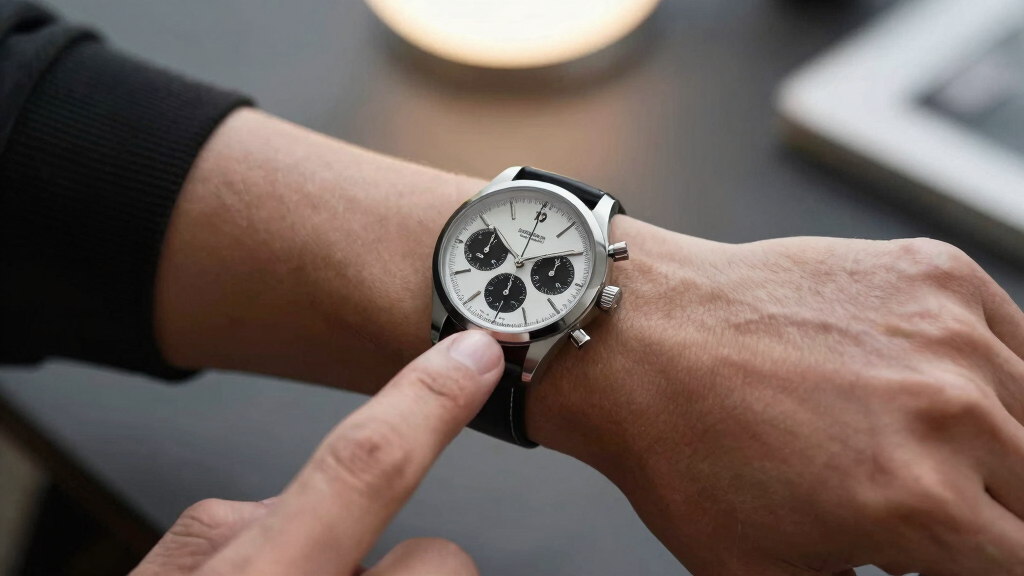
A true chronograph combines timekeeping with a stopwatch, controlled by dedicated pushers and sub-dials.
Choose between mechanical, quartz, or digital based on durability, accuracy, and your activity needs.
Stopwatch functions are invaluable in sports, rescue, and scientific scenarios, but not everyone needs them daily.
Practice operating your chronograph to get precise, quick readings in real-world situations.
High-precision professional chronographs are used in official timing, but quality consumer models are often enough for most purposes.
Do You Need a Chronograph?
A chronograph combines an everyday watch with a controllable stopwatch. It can time a sprint, rescue drill, dive segment, experiment, or lap—but its real value depends on whether precise elapsed time improves what you do.
Dedicated pushers control a separate elapsed-time display without interrupting normal timekeeping.
Quartz and digital models can measure fractions of a second, while mechanical models emphasize craft and tactile control.
Choose one when timing is frequent, immediate, and more convenient from the wrist.
More than a fancy dial
A true chronograph keeps normal time while independently measuring elapsed time. Sub-dials commonly record seconds, minutes, hours, or fractions of a second.
Chronograph ≠ chronometer
A chronograph is a stopwatch-equipped watch. A chronometer is a timepiece certified to meet a defined accuracy standard. A watch can be one, both, or neither.
The working parts
The stopwatch layer operates alongside the normal hour, minute, and seconds display.
One timing cycle, three commands
Mechanical models engage gears and levers. Quartz and digital models use electronic circuits. The user experience remains fundamentally the same.
Start
Press the upper pusher. The chronograph mechanism begins counting elapsed seconds.
Stop & read
Press again at the endpoint. The counters freeze so the elapsed time can be read.
Reset
Press the reset pusher only after stopping. The hands or display return to zero.
Craft, precision, or data?
The best chronograph is not automatically the most expensive. Match its movement, durability, display, and features to the situations in which you will actually use it.
Tactile craft
Intricate gears and springs create a traditional, collectible experience. Expect regular maintenance and greater sensitivity to demanding conditions.
Practical precision
Electronic regulation delivers dependable accuracy, approachable pricing, and low maintenance—an excellent fit for everyday timing.
Maximum function
Lap timing, split timing, GPS, connectivity, and health data make digital models powerful tools for athletes and field professionals.
| Decision factor | Mechanical | Quartz | Digital |
|---|---|---|---|
| Everyday accuracy | ~ Good | ✓ Excellent | ✓ Excellent |
| Shock tolerance | ✗ More sensitive | ✓ Strong | ✓ Strong |
| Maintenance | ✗ Periodic service | ✓ Low | ✓ Low |
| Lap / split tools | ✗ Usually limited | ~ Model dependent | ✓ Often advanced |
| Traditional craftsmanship | ✓ Exceptional | ~ Functional | ✗ Not the focus |
| Best fit | Collectors & enthusiasts | Everyday users | Athletes & data users |
When seconds change the outcome
Timing becomes valuable when it supports performance, safety, coordination, or repeatable measurement—not merely because the watch has extra sub-dials.
Sprints and laps
Measure runs, intervals, race segments, and improvement over repeated attempts.
Rescue operations
Track drills, response windows, breathing intervals, or time-critical procedures.
Dives and ascents
Monitor an activity segment while retaining normal time at a glance.
Experiments and aviation
Record repeatable intervals, flight segments, or process durations immediately.
You probably need one if…
- You time activities several times a week.
- Fast, one-handed access is important.
- Elapsed time affects safety or performance.
- You value the mechanism or dial design itself.
You can probably skip it if…
- Your phone already handles rare timing tasks.
- You prefer a clean, highly legible watch face.
- You will not practice reading the sub-dials.
- The added cost, size, or servicing brings no benefit.
Use it accurately
Practice before relying on a chronograph in competition or professional work. Familiar controls reduce late starts, accidental resets, and misread sub-dials.
Identify
Locate start, stop, and reset controls.
Start
Press at the exact beginning of the event.
Stop
Press at the finish or activity endpoint.
Read
Combine seconds, minutes, and hours shown.
Reset
Clear counters only after recording the result.
Practice scenario
For a 400-meter sprint, start at the signal, stop when the runner crosses the line, read every relevant counter, record the result, then reset.
Avoid three common errors
Reliable timing depends as much on the operator as the movement.
From need to the right tool
Begin with the activity, not the watch. The timing requirement should determine the movement, features, and level of investment.
What Exactly Is a Chronograph? It’s More Than Just a Fancy Watch
A chronograph is a watch that combines basic timekeeping with a stopwatch function. It allows you to start, stop, and reset a timer, often with dedicated pushers on the side. For example, a diver might use it to measure how long they’ve been underwater, or a race car driver to track lap times.
Unlike simple timers, a true chronograph has sub-dials that display elapsed minutes, seconds, or even hours. Think of it as a mini stopwatch embedded into your watch face. Modern versions range from mechanical masterpieces to digital gadgets packed with features.
digital chronograph watch with stopwatch
As an affiliate, we earn on qualifying purchases.
As an affiliate, we earn on qualifying purchases.
How Do Stopwatch Functions Actually Work? Here’s the Mechanics
Stopwatch functions in a chronograph are controlled by pushers that activate the movement. When you press the start button, a gear train begins counting seconds. Press stop, and it halts, allowing you to read elapsed time. Reset clears the counters back to zero.
Understanding this mechanism is crucial because it reveals the tradeoffs involved. Mechanical chronographs, for instance, rely on intricate gear systems that require manual winding or automatic winding, making them delicate and sensitive to shocks or temperature changes. This can impact their precision over time, especially if not maintained properly. Digital chronographs, on the other hand, use electronic circuits that offer greater stability but may lack the tactile appeal and craftsmanship of mechanical models. Recognizing these differences helps you choose a device that balances accuracy, durability, and personal preference. The implications are significant: for professional timing, precision and reliability are paramount, so understanding the underlying mechanics guides better investment decisions.
In digital watches, this process is electronic but follows the same principle—press buttons to control timing. The accuracy can reach fractions of a second, especially in high-precision quartz chronographs.
As an affiliate, we earn on qualifying purchases.
Which Types of Chronographs Fit Your Style? Mechanical, Quartz, or Digital?
Choosing the right chronograph depends on your needs and preferences. Mechanical chronographs are handcrafted, powered by intricate gears and springs. They offer a timeless appeal but can be sensitive to shocks or temperature changes, which may affect their accuracy and longevity. This means they require careful handling and regular maintenance, but for collectors and enthusiasts, this craftsmanship adds significant value and emotional appeal.
Quartz chronographs use electronic movements, offering greater accuracy and lower maintenance. They’re reliable for everyday use and often more affordable, making them ideal for those who want precision without fuss. However, they may lack the charm and tactile feel of mechanical watches, which some purists consider essential.
Digital chronographs are found in smartwatches or digital sports watches. They provide advanced features like lap times, split functions, GPS tracking, and connectivity options. These models are highly functional for athletes or professionals needing real-time data and integration with other devices, but they may sacrifice the traditional aesthetic for practicality. Understanding these tradeoffs helps you select a chronograph that aligns with your style, needs, and how much you value craftsmanship versus convenience.
professional racing chronograph watch
As an affiliate, we earn on qualifying purchases.
As an affiliate, we earn on qualifying purchases.
Real-World Uses: When a Stopwatch Can Save Your Day
Think about a firefighter timing a rescue operation or a nurse tracking medication infusion times. In sports, a runner might need to measure their 100-meter dash precisely—every hundredth of a second counts. A diver measuring how long they’ve been underwater, or a pilot timing a flight segment—these are everyday examples where a stopwatch becomes essential.
In one scenario, a mountain climber used a chronograph to time their ascent of a challenging route. Knowing exactly how long each section took helped improve their pace and safety.
The importance of these applications lies in the precision and immediacy they provide. Accurate timing can be the difference between success and failure, safety and danger. For professionals, the implications are clear: investing in a reliable stopwatch or chronograph can enhance performance, improve safety margins, and enable better planning. For hobbyists, it adds a layer of enjoyment and mastery, turning simple activities into skillful pursuits. The tradeoff is often cost versus benefit—more accurate and feature-rich models tend to be pricier but can dramatically improve outcomes in critical situations.
As an affiliate, we earn on qualifying purchases.
How to Use a Chronograph in 5 Easy Steps
- Identify the start, stop, and reset buttons on your watch.
- Press the start button when beginning your timed event.
- Stop it at the finish line or end of the activity.
- Read the elapsed time from the sub-dials or digital display.
- Press reset to clear the counters for the next use.
For example, timing a 400-meter sprint, you press start at the gunshot, stop when the runner crosses the line, and note the time. It’s straightforward once you get the hang of it. The deeper understanding of these steps lies in recognizing how each action affects the internal mechanism or digital data, which can influence your timing accuracy. Proper operation ensures you get precise, reliable results, especially in competitive or professional contexts where every fraction of a second matters. Mastering this process also helps avoid common errors like accidental resets or misreads, which can compromise your data and lead to misjudged performances or decisions.
How Does a Chronograph Differ From a Regular Stopwatch?
A true chronograph is a watch with integrated stopwatch features, often with additional complications like tachymeters. A simple stopwatch, whether handheld or digital, lacks the watch movement and is dedicated solely to timing. The key difference is that a chronograph combines timekeeping and timing functions in one device, often with additional features that can enhance its usefulness in various scenarios.
For example, a dedicated digital stopwatch used by a coach might only measure elapsed time, but a chronograph wristwatch can also tell the current time, date, and other data, making it a more versatile tool. This integration allows users to switch seamlessly between functions without changing devices, which can be critical in situations where space, convenience, or quick access is necessary. The tradeoff is that chronographs tend to be more complex and sometimes more expensive, but their multifunctionality can justify these costs for users needing both precise timing and reliable timekeeping in one package.
Are Digital or Mechanical Chronographs Better? Pros and Cons
Digital chronographs excel in precision, with some measuring down to hundredths of a second, and often include features like lap timers, GPS, and connectivity. They are ideal for athletes or professionals needing detailed, real-time data and quick adjustments. However, they can be more fragile in rugged environments due to their electronic components and may require regular software updates or charging.
Mechanical chronographs offer craftsmanship, tradition, and a tactile experience that many enthusiasts cherish. They are often more durable in rugged environments and do not rely on batteries, but they are generally less precise, usually tracking to the nearest tenth or hundredth of a second. Mechanical models also require maintenance and can be more expensive due to their intricate construction. The choice depends on your priorities: if accuracy and features are paramount, digital models are advantageous; if you value craftsmanship, aesthetics, and a connection to horological history, mechanical chronographs are preferable. Recognizing these tradeoffs helps you select a device that best aligns with your intended use and personal values.
Can You Use a Chronograph for Professional Timing?
Yes, but it depends on the quality. Professional-grade chronographs with certified movements and high accuracy are used in sports timing, aviation, and scientific research. These models are designed to meet strict standards for precision and reliability, often undergoing rigorous testing and certification processes. Consumer models, while useful for personal or recreational purposes, may lack the required accuracy, durability, or certification needed for official or high-stakes environments.
For example, Olympic timing systems utilize synchronized, highly accurate chronographs capable of measuring to the thousandth of a second, ensuring fairness and record integrity. Such equipment often incorporates advanced features like synchronization with atomic clocks, environmental compensation, and tamper-proof mechanisms. The implications for users are clear: if you need professional-level timing, investing in certified, high-quality equipment is essential. Using inferior or uncertified devices can lead to inaccuracies, disputes, or even disqualification in competitive settings. Therefore, understanding the standards and certifications relevant to your application is critical before relying on a chronograph for professional purposes.
Tips for Operating Your Chronograph Like a Pro
- Practice starting and stopping the timer smoothly to avoid misreads. This reduces mechanical or digital lag that can skew your data.
- Use the reset function only after stopping the watch to prevent errors or damage to the mechanism or digital system.
- Familiarize yourself with sub-dial readings for quick, accurate data interpretation—knowing what each dial or display shows can save seconds in critical moments.
- If digital, learn all features—lap splits, countdowns, alarms, and connectivity—to maximize utility and avoid missing important functions during use.
For example, a hiker timing rest breaks can quickly press start and stop, then read the total seconds elapsed for better stamina management. Mastery of these tips ensures you get the most accurate, reliable data from your device, which can be vital in competitive, safety-critical, or professional scenarios. The tradeoff for taking time to learn these techniques is improved performance, confidence, and trust in your timing equipment, ultimately enhancing your activity or work outcomes.
Frequently Asked Questions
Do I really need a chronograph in my watch?
If you regularly time activities like sports, rescue operations, or scientific experiments, a chronograph offers precise, quick measurements. For casual daily use, a standard watch usually suffices.How accurate are chronograph watches?
High-quality quartz and digital chronographs can measure down to hundredths of a second, while mechanical ones typically track to a tenth or so. Accuracy depends on the movement and build quality.What’s the difference between a chronograph and a chronometer?
A chronograph measures elapsed time, while a chronometer is a certified watch that meets strict precision standards. They serve different purposes—timing versus accuracy certification.Are digital or mechanical chronographs better?
Digital models excel in precision and extra features, while mechanical chronographs offer craftsmanship and durability. Choose based on whether you prioritize tech or tradition.Can I use a chronograph for professional timing?
Yes, but only if it’s a high-grade, certified model. Consumer chronographs work well for personal or recreational timing, but professional settings require specialized equipment.Conclusion
If timing matters in your work or hobbies, a chronograph can become an essential tool. But if your needs are simple—just telling time—skip the stopwatch features. The real value lies in knowing when those extra seconds or minutes can make a difference.
Next time you see a watch with a stopwatch function, ask yourself: does this feature improve your game, your safety, or your efficiency? If yes, it’s worth considering. If not, a standard watch might serve you just fine.
Halloween Picks
halloween
As an affiliate, we earn on qualifying purchases.