
TL;DR

Get your wardrobe favorites delivered free — and shop member deals
- Fast, free delivery on millions of items
- Access to Prime Big Deal Days deals on October 6–7
- Prime Video, Amazon Music and more included
ABC watches combine altimeter, barometer, and compass functions to improve outdoor navigation and weather forecasting. Regular calibration and understanding their limits are key for accuracy and safety.
Imagine you’re on a mountain trail. The weather shifts suddenly, and you need to know if a storm is brewing. Your ABC watch, with its altimeter, barometer, and compass, becomes your digital compass in the wilderness. These tools aren’t just fancy features—they’re lifesavers.
In this guide, you’ll see how each component works, what recent tech advances mean for your adventures, and how to get the most out of your ABC watch. Whether you’re climbing, skiing, or exploring remote areas, these functions are your environmental eyes and ears.
Regular calibration of altimeter and barometer ensures accurate environmental readings.
Sensor technology advances make modern ABC watches highly reliable even in fluctuating conditions.
Use pressure trends to predict weather changes—rising pressure signals clear skies, falling warns of storms.
Combine ABC watch data with traditional navigation skills for maximum safety.
Choose a durable, water-resistant model suited to your adventure for long-lasting performance.
Field guide / outdoor navigation
ABC Watches Explained: Altimeter, Barometer, and Compass
An ABC watch turns changes in air pressure and Earth’s magnetic field into practical trail intelligence. It can reveal elevation, flag approaching weather, and hold a bearing—but calibration and traditional navigation skills remain essential.
Altimeter
Converts atmospheric pressure into elevation above sea level.
Barometer
Tracks pressure trends that can signal changing weather.
Compass
Uses a magnetometer to provide direction and bearings.
01 / The sensor trio
Three readings. One environmental picture.
Each sensor answers a different field question. Used together, they help you understand where you are, what the atmosphere is doing, and which direction keeps you on route.
Elevation
AHow high am I?
Atmospheric pressure decreases as you climb and increases as you descend. The watch converts that pressure difference into an altitude estimate and elevation-gain record.
Calibrate at a known summit, trailhead, hut, or base station.Weather
BIs weather shifting?
The barometer tracks pressure over time. A sustained rise generally suggests stabilizing conditions; a rapid or persistent fall can indicate a front or storm approaching.
Read the trend, not one isolated number.Direction
CWhich way is north?
A digital magnetometer senses Earth’s magnetic field to show headings and bearings when trails vanish, visibility drops, or terrain lacks obvious landmarks.
Set local magnetic declination and avoid metal interference.02 / Reading the signals
Pressure becomes useful when it moves.
Altitude and weather both affect pressure. Your job is to interpret the pattern in context: movement uphill can lower pressure readings, while an approaching front can do the same even when you stand still.
Reliability factors
Conceptual influence on field confidence; calibration remains the strongest user-controlled factor.
Barometric trend spectrum
Combine the watch trend with clouds, wind, temperature, and local forecasts.
Storm risk Steady
Watch cues Rising
Fairer trend
03 / Traceability chain
From raw signal to safer action.
An ABC reading is only one link in the decision chain. Accuracy improves when you validate the sensor, interpret the pattern, and cross-check it against the physical environment.
Sense
Capture data
Pressure or magnetic-field input enters the watch.
Calibrate
Correct the baseline
Use known elevation, pressure, or declination.
Interpret
Read the trend
Separate movement effects from weather effects.
Cross-check
Verify outdoors
Compare maps, landmarks, clouds, wind, and GPS.
Act
Choose safely
Continue, reroute, descend, or seek shelter.
04 / Capability matrix
What each function can—and cannot—tell you.
No individual sensor provides a complete navigation or weather solution. This comparison shows where each tool is strongest and where corroboration matters.
| Field question | Altimeter | Barometer | Compass | Best cross-check |
|---|---|---|---|---|
| Current elevation | ✓ Primary tool | ~ Pressure input | ✗ Not applicable | Topographic map or GPS |
| Short-term weather trend | ~ Can be affected | ✓ Primary tool | ✗ Not applicable | Clouds, wind, forecast |
| Directional bearing | ✗ Not applicable | ✗ Not applicable | ✓ Primary tool | Map and terrain features |
| Works without phone service | ✓ Sensor based | ✓ Sensor based | ✓ Sensor based | Carry paper backup |
| Needs regular calibration | ✓ Known elevation | ✓ Local pressure | ~ Model dependent | Manual and reference data |
✓ direct strength ~ contextual or indirect ✗ not designed for this task
05 / Limits and selection
Trust the instrument—but verify the story.
Extreme temperatures, rapid elevation changes, shifting weather, magnetic interference, and battery drain can all degrade performance. Treat readings as guidance rather than unquestionable truth.
Watch-outs
- Cold or heat may cause temporary sensor drift.
- Fast ascents can briefly destabilize altitude estimates.
- Metal objects and electronics can distort compass readings.
- Wireless, GPS, and bright displays reduce battery endurance.
- Pressure changes may reflect weather, elevation, or both.
Choose for the adventure
- Prioritize long battery life for remote or multi-day routes.
- Match water-resistance ratings to rain, swimming, or diving exposure.
- Look for shock resistance and controls usable with gloves.
- Favor simple calibration and a legible environmental-data display.
- Balance Bluetooth, GPS, and smart features against power use.
- Consider Casio, Suunto, or Garmin entry models for approachable basics; evaluate expedition-grade multisensor options for demanding use.
06 / Calibration routine
Three quick habits protect accuracy.
Calibrate before each trip, after major temperature or altitude changes, and whenever readings conflict with known conditions.
Set a known elevation
Use a marked trailhead, summit, hut, contour point, or trusted GPS reference.
Enter local pressure
Use a reliable weather station and confirm whether the watch expects sea-level or absolute pressure.
Correct the compass
Perform the model’s calibration motion, set local declination, and move away from magnetic interference.
ABC watches are environmental eyes and ears—not a replacement for judgment. Combine calibrated sensor data with a map, backup compass, weather awareness, route planning, and the willingness to turn around.
How Your ABC Watch Tells You How High You Are
An altimeter on your ABC watch measures altitude above sea level by detecting atmospheric pressure. When you ascend a mountain, the pressure drops. Descend, and it rises.
For example, climbing from 1,000 to 2,000 meters may involve a steady pressure decrease. Your watch translates this into a precise altitude reading, helping you track your elevation gain during a hike or ski run.
Regular calibration against known elevations—like a summit or a base camp—keeps your readings accurate, especially in cold weather where sensors can drift. This calibration is crucial because small errors can lead to significant navigational mistakes, such as misjudging your position relative to your route or missing critical waypoints. Understanding the tradeoff between calibration frequency and real-time accuracy helps you decide when to recalibrate, especially in environments with rapid altitude changes or temperature fluctuations.
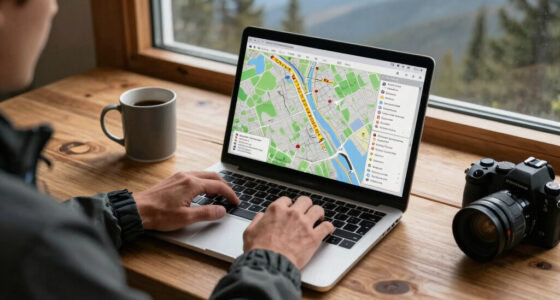
ABC watch with altimeter barometer and compass
As an affiliate, we earn on qualifying purchases.
As an affiliate, we earn on qualifying purchases.
How Your Barometer Predicts Weather in Real Time
A barometer on your ABC watch measures atmospheric pressure, which fluctuates with weather patterns. Rising pressure typically signals good weather, while falling pressure warns of storms.
Imagine you’re in the mountains and notice your barometer shows a rapid pressure drop over an hour. That’s a sign a front is approaching, and stormy weather could be on its way.
Consistent monitoring and calibration help improve forecast accuracy, especially during sudden weather changes like thunderstorms or snowstorms. Recognizing the implications of these pressure trends allows you to make informed decisions—such as seeking shelter or adjusting your route—potentially avoiding dangerous weather. The tradeoff lies in understanding that short-term fluctuations might not always predict long-term weather, so combining pressure data with other cues (cloud formations, wind changes) enhances reliability.
outdoor navigation watch with weather forecasting
As an affiliate, we earn on qualifying purchases.
As an affiliate, we earn on qualifying purchases.
How Your Compass Keeps You Pointed in the Right Direction
A compass on your ABC watch provides directional guidance. Digital models use a magnetometer to detect Earth’s magnetic field, giving you precise bearings.
Say you’re lost in a dense forest, trying to find north. Your compass points the way, helping you stay on course even when trails disappear.
Remember, magnetic declination varies by location, so adjusting your compass to local declination improves navigation accuracy. Failure to account for declination can lead you off course by several degrees, which over distance can mean missing critical landmarks or reaching an unintended destination. Understanding the implications of declination and learning how to adjust for it ensures your navigation remains precise, especially in unfamiliar terrains where traditional landmarks are scarce.
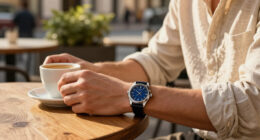
water-resistant ABC watch for hiking
As an affiliate, we earn on qualifying purchases.
As an affiliate, we earn on qualifying purchases.
What’s New? The Latest in ABC Watch Tech
Advances in sensor tech mean your ABC watch is more precise than ever. Modern sensors reduce altitude errors to under 3 meters and pressure inaccuracies to just 2 millibars, even amid temperature swings.
Many models now connect wirelessly via Bluetooth, syncing with your smartphone. This allows real-time weather updates, data logging, and firmware updates on the trail.
Durability also improves—shockproof, water-resistant, and lighter materials make these watches tough enough for any adventure. These technological advances not only increase accuracy but also enhance the overall reliability and convenience of your device, which can be a critical factor in survival situations or extended expeditions. However, users should be aware that increased complexity might mean more maintenance or calibration requirements, and that high-tech features can sometimes drain batteries faster, so balancing features with endurance is key.
digital altimeter barometer compass watch
As an affiliate, we earn on qualifying purchases.
As an affiliate, we earn on qualifying purchases.
Calibrating Your ABC Watch for Maximum Accuracy
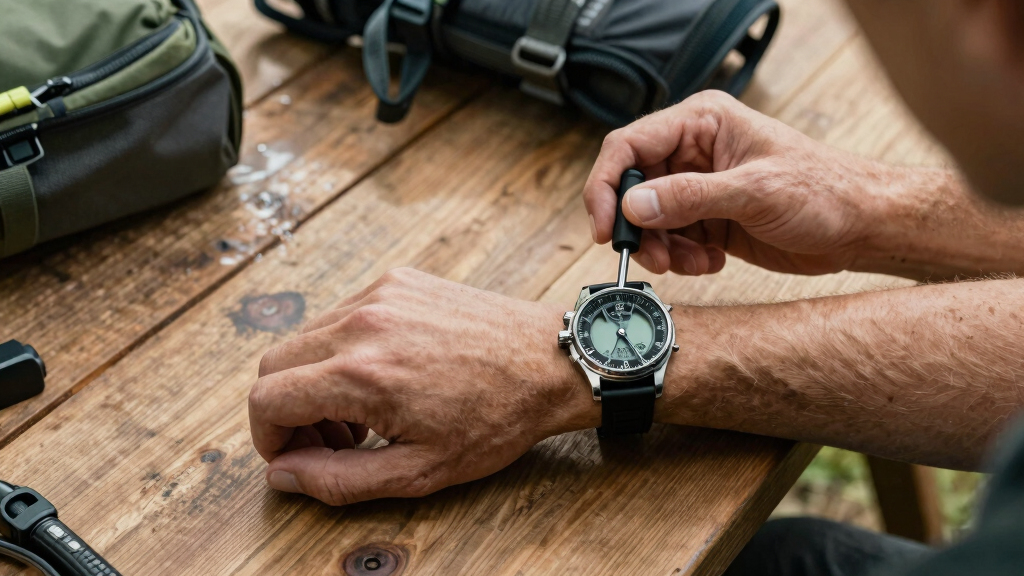
Calibration keeps your readings truthful. For altitude, set your watch at a known elevation—like a summit or a base station—then adjust as needed.
Pressure calibration involves setting the watch to local barometric pressure, which you can find online or at a weather station.
Perform calibration regularly, especially after temperature changes or if your readings seem off. This ensures your environmental data remains reliable. Proper calibration is vital because even small inaccuracies in altitude or pressure can lead to significant errors in navigation or weather prediction. Balancing calibration frequency with your activity—more frequent calibrations in rapidly changing environments—ensures your device remains accurate without unnecessary adjustments that could cause confusion or delay during critical moments.
Limitations to Watch Out For
ABC watches aren’t perfect—and environmental factors can throw off readings. Rapid weather changes, extreme cold, or heat can affect sensor accuracy.
For example, in freezing conditions, pressure sensors may drift until recalibrated. Similarly, rapid altitude changes can temporarily confuse the altimeter.
Always treat ABC data as guidance, not gospel. Combining it with your skills and other tools for safe navigation is essential. Recognizing these limitations helps you avoid overreliance on technology, which might lead to dangerous situations if uncorrected errors accumulate. Being aware of environmental impacts allows you to interpret data more critically and decide when to recalibrate or cross-check with other navigation methods.
Choosing the Right ABC Watch for Your Adventure
Look for models with good battery life, rugged build, and easy calibration. If you’re climbing or skiing, choose a water-resistant, shockproof design.
Entry-level options from brands like Casio or Garmin are solid for beginners. For serious expeditions, consider high-end models with multi-sensor integration.
Remember, a good ABC watch is an investment in safety—choose one that matches your activity level and environment.
Frequently Asked Questions
How often should I calibrate my ABC watch?
Calibrate your watch whenever you notice inconsistent readings or after significant temperature or altitude changes. Regular calibration, such as before each trip, keeps data trustworthy.
Can I rely solely on my ABC watch for navigation?
While highly useful, ABC watches should complement traditional navigation skills and tools like maps and compasses. Always have backup plans in case of sensor failure.
What’s the best way to forecast weather with my barometer?
Monitor pressure trends over time. A steady rise suggests good weather; a quick drop indicates storms or rain approaching. Check local pressure readings for context.
Are there any limitations I should know about?
Yes, environmental factors like rapid weather shifts, extreme cold, or heat can affect sensor accuracy. Use data as guidance, not absolute truth.
What features should I prioritize in a serious outdoor ABC watch?
Focus on durability, water resistance, long battery life, and easy calibration. For demanding environments, choose models with multi-sensor capabilities and rugged construction.
Conclusion
Your ABC watch isn’t just a gadget; it’s your environmental compass in the wild. Understanding how each feature works and maintaining calibration turns it into a true safety partner.
Next outdoor trip, trust your watch’s insights — but remember, technology complements skill, not replaces it. Keep your skills sharp, your gear reliable, and your mind alert. The mountains are unpredictable, but with the right tools, you’re always a step ahead.
Fall Picks
fall essentials
As an affiliate, we earn on qualifying purchases.