
TL;DR
Open a free Amazon Business account
Business pricing, bulk buying and tax-exempt orders.
Create a free accountAs an affiliate, we earn on qualifying purchases.
A tech enthusiast has publicly announced switching their smartphone from Android to a Linux-based operating system. This reflects increasing interest in open-source mobile platforms. The move highlights ongoing debates about privacy, customization, and control over devices.
A user has publicly announced their decision to switch their smartphone from Android to a Linux-based operating system. This move underscores a growing interest among tech enthusiasts in alternative, open-source mobile platforms that prioritize privacy and customization, challenging the dominance of mainstream operating systems.
The individual, whose identity has not been disclosed, shared their experience on social media, detailing their transition to a Linux-based OS such as or . They cited reasons including concerns over data privacy, desire for greater control over device software, and dissatisfaction with proprietary restrictions imposed by Android.
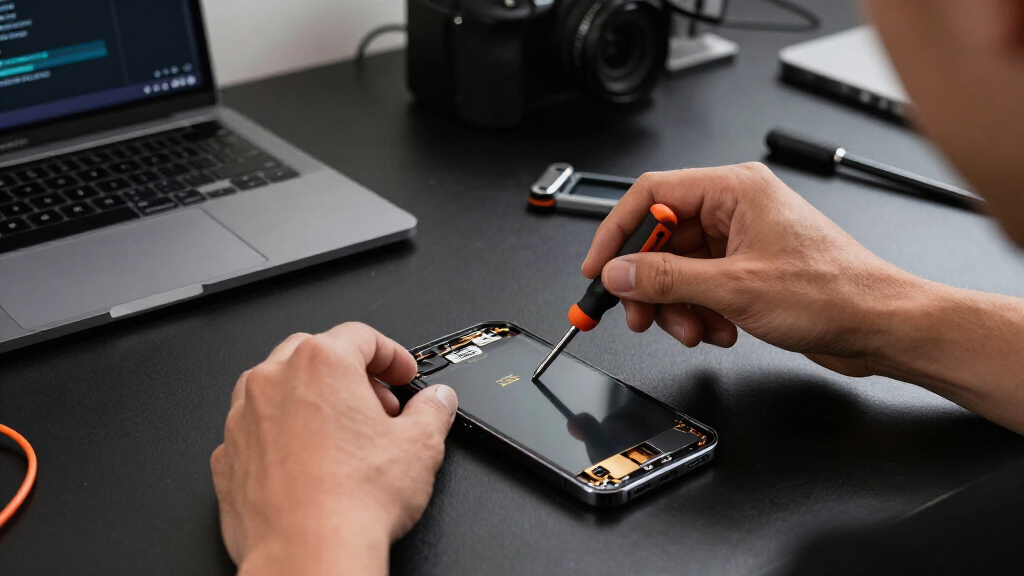
While the switch is technically feasible for some devices, it remains limited to specific hardware models, primarily older or less mainstream smartphones. Experts confirm that installing Linux-based OS on smartphones often involves technical challenges, including compatibility issues and the need for technical expertise. The user reports that their transition involved flashing custom firmware and configuring open-source apps, which can be complex for average users.
Why Personal Device Choices Signal Broader Trends
This individual’s switch reflects a broader movement among privacy-conscious users seeking more control over their mobile devices. As mainstream platforms collect vast amounts of data, open-source alternatives offer potential advantages in privacy and customization. The decision also highlights ongoing debates about security and ownership of personal technology, especially as smartphone manufacturers and software providers tighten restrictions.
While such switches remain niche, they could influence future development of open-source mobile OSes and encourage more users to explore alternatives, potentially impacting the market dynamics of mobile operating systems.

Linux Basics for Hackers: Getting Started with Networking, Scripting, and Security in Kali
As an affiliate, we earn on qualifying purchases.
As an affiliate, we earn on qualifying purchases.
Growing Interest in Open-Source Mobile Operating Systems
Over the past few years, projects like , , and have gained attention among tech enthusiasts seeking privacy and software freedom. However, mainstream adoption remains limited due to hardware compatibility issues and the complexity of installation.
The recent personal account adds to a series of individual stories demonstrating that, despite challenges, some users are willing to undertake technical efforts to switch from proprietary systems. This trend is part of a broader movement advocating for digital sovereignty and open-source principles.
“Switching to Linux on my phone has been challenging but rewarding. I now have more control over my device and feel more secure.”
— Anonymous user on social media

Working in Public: The Making and Maintenance of Open Source Software
As an affiliate, we earn on qualifying purchases.
As an affiliate, we earn on qualifying purchases.
Extent of Broader Adoption Remains Unclear
It is not yet clear how many users are making similar switches or whether this trend will gain widespread traction. The technical barriers and limited hardware support may restrict adoption to niche communities. Additionally, the long-term stability and security of Linux-based mobile OSes are still under evaluation.

TC POD Portable Soundproof Booth,Privacy Office Pod,Sound Proof Booth for Home,Mobile Focus Room,2-4 Person Meeting Pod with LED Lighting System,Fans Outlet and USB Ports
- Acoustic Isolation: Blocks external noise and internal reflections
- Premium Materials: Aluminum frame, fireproof sound-absorbing cotton
- Durable Glass and MDF: Fireproof, soundproof tempered glass and MDF flooring
As an affiliate, we earn on qualifying purchases.
As an affiliate, we earn on qualifying purchases.
Future Developments in Open-Source Mobile OSes
Developers of open-source mobile OS projects are expected to continue refining their systems, aiming for broader hardware compatibility and easier installation processes. Monitoring user experiences and community growth will indicate whether this movement can challenge mainstream platforms or remain a specialized interest. Major tech companies are unlikely to adopt these OSes soon, but increased user interest could influence future privacy and control features in proprietary systems.

BLU Tank Mini T650 1.8" GSM Unlocked 32MB Dual-SIM Flashlight Cellphone (Black/Gray)
- Network Compatibility: GSM Quad Band Unlocked for 2G carriers
- Display Size: 1.8-inch 128×160 resolution screen
- Storage Support: 32MB internal memory, MicroSD up to 32GB
As an affiliate, we earn on qualifying purchases.
As an affiliate, we earn on qualifying purchases.
Key Questions
Can I switch my current Android phone to a Linux-based OS?
Switching is possible on certain devices, especially older or less mainstream models, but it often requires technical skills such as flashing custom firmware and troubleshooting compatibility issues.
What are the main reasons people switch from Android to Linux-based OS?
Primary reasons include concerns over data privacy, desire for greater control over device software, and dissatisfaction with proprietary restrictions.
Are Linux-based mobile OSes secure and stable?
They are generally considered secure due to open-source transparency, but stability varies depending on hardware support and community development status.
Will mainstream smartphone manufacturers adopt Linux-based OSes?
Currently, adoption remains limited due to hardware compatibility challenges and market considerations. Widespread adoption seems unlikely in the near term.
What are the technical challenges of switching to a Linux-based OS?
Challenges include hardware compatibility, the complexity of flashing firmware, potential loss of features like camera or sensors, and limited app support.
Source: hn
College move-in / dorm season Picks
dorm essentials
As an affiliate, we earn on qualifying purchases.