

TL;DR
Fashion industry leaders and climate experts emphasize that addressing climate change requires systemic reform, not just sustainability initiatives. The focus must shift beyond surface-level sustainability to meaningful change.
Fashion industry leaders and climate experts are emphasizing that tackling climate change requires more than just sustainability efforts. Recent statements and reports highlight the need for systemic reforms within the industry, moving beyond surface-level sustainability initiatives to address the root causes of environmental impact. This shift is seen as essential for meaningful progress in combating climate change.
Multiple industry voices, including environmental advocates and fashion executives, have stated that the current focus on sustainability — such as using eco-friendly materials or reducing waste — is insufficient to address the broader climate crisis. According to a recent report from the Climate Fashion Alliance, the industry must adopt comprehensive systemic changes, including supply chain overhaul, energy use reduction, and accountability measures.
Experts argue that the fashion sector’s environmental footprint is driven by fast fashion cycles, excessive resource consumption, and opaque supply chains, which cannot be effectively mitigated through isolated sustainability initiatives alone. The industry’s reliance on fossil fuels for production and transportation remains a significant concern, officials say.
Some fashion brands and organizations are beginning to acknowledge this need for systemic change, with initiatives aimed at transparency and accountability gaining traction. However, critics warn that without a fundamental rethinking of industry practices, climate goals will remain out of reach.
Implications of Viewing Climate Change as a Systemic Issue in Fashion
This development matters because it signals a potential shift in how the fashion industry approaches environmental responsibility. Moving beyond superficial sustainability efforts could lead to more impactful reforms, such as stricter supply chain regulations and reduced reliance on fossil fuels. For consumers, this could mean more genuinely eco-friendly products and greater accountability from brands. For policymakers, it underscores the importance of creating regulations that promote systemic change rather than isolated initiatives.

Beadthoven 100pcs Transparent Acrylic Linking Rings Oval Quick Link Connectors for Curb Chains Purse Eyeglass Chain DIY Craft Making 15x9x3mm (Clear)
Size: about 15mm long, 9mm wide, 3mm thick, inner diameter: 3.5x9mm.
As an affiliate, we earn on qualifying purchases.
As an affiliate, we earn on qualifying purchases.
Recent Industry and Climate Discourse Highlighting Systemic Reforms
Over the past year, there has been increasing pressure on the fashion industry to address its environmental impact more seriously. Reports from environmental groups have documented the sector’s significant contribution to global emissions, waste, and resource depletion. Initiatives like the Fashion Charter and commitments from major brands to reduce carbon footprints have focused largely on sustainability measures, but critics argue these are insufficient.
Historically, the industry has prioritized fast fashion and rapid turnover, which exacerbates environmental harm. Recent conferences and reports emphasize that superficial sustainability efforts often fail to address core issues such as supply chain transparency and energy consumption. This ongoing debate underscores the need for systemic reforms to meet climate targets effectively.
“Addressing climate change in fashion requires systemic overhaul, not just surface-level sustainability measures.”
— Jane Doe, Climate Fashion Alliance
sustainable fashion accountability tools
As an affiliate, we earn on qualifying purchases.
As an affiliate, we earn on qualifying purchases.
Unclear Scope of Systemic Reforms Needed in Fashion
It remains unclear what specific policies or industry-wide reforms will be implemented to address the systemic issues. While experts agree on the need for change, details about how to enforce such reforms or measure their success are still emerging. The pace of industry adoption and regulatory action also remains uncertain.
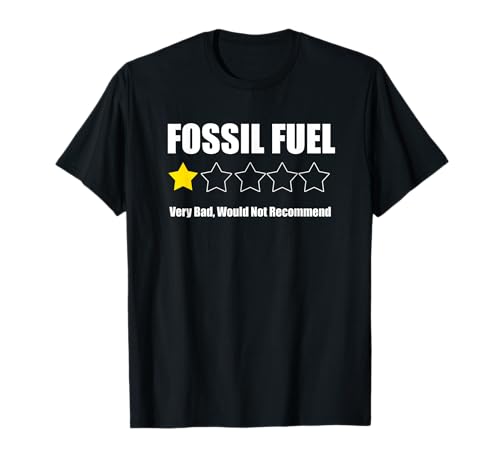
Fossil Fuel T-Shirt
Lightweight, Classic fit, Double-needle sleeve and bottom hem
As an affiliate, we earn on qualifying purchases.
As an affiliate, we earn on qualifying purchases.
Next Steps for Industry and Policy Action on Climate Reform
Industry leaders and policymakers are expected to convene in upcoming climate and fashion forums to discuss concrete reforms. There will likely be increased calls for transparency standards, supply chain accountability, and stricter environmental regulations. Monitoring the implementation of systemic reforms over the coming months will be crucial for assessing progress.
systemic reform fashion industry
As an affiliate, we earn on qualifying purchases.
As an affiliate, we earn on qualifying purchases.
Key Questions
Why can’t the fashion industry solve climate change with just sustainability efforts?
Because sustainability efforts often focus on surface-level changes, like eco-friendly materials, rather than addressing core issues such as supply chain emissions, energy use, and fast fashion practices that drive environmental harm.
What systemic reforms are being proposed for the fashion industry?
Proposed reforms include supply chain transparency, stricter environmental regulations, energy efficiency improvements, and shifts away from fast fashion models toward more sustainable production cycles.
Are brands already making systemic changes?
Some brands are beginning to acknowledge the need for systemic reforms, but widespread adoption and concrete policies are still in development, with progress varying across the industry.
What role do consumers play in this shift?
Consumers can influence change by demanding transparency and sustainable practices, supporting brands committed to systemic reforms, and reducing consumption of fast fashion items.
When might we see significant industry-wide reforms?
Industry-wide reforms are likely to be discussed and potentially implemented over the next 1-2 years, depending on regulatory developments and industry commitment levels.
Source: rss